A first edition from a classic American author: Ernest Hemingway’s “A Farewell to Arms.” This copy is in acceptable condition, as it has staining to the front board, as well as bumping and other shelf ware. The inside of the front board has a previous owner’s book plate, and there is some staining to the front free paper. Its copyright page includes the Scribner’s seal, and it lacks the legal disclaimer, marking it as a first printing of the first trade edition. Binding is loose, but the pages are clean, with some minor fading. This copy includes a facsimile dust jacket.
Hemingway’s narrative follows Lieutenant Frederic Henry, an American serving as an ambulance driver in the Italian army during World War I. The novel opens amid the chaos of the Italian front, where Frederic experiences the brutality and futility of modern warfare. He is wounded in a mortar attack and sent to a hospital in Milan to recover. There he meets Catherine Barkley, a British nurse grieving the loss of her fiancé. Their tentative friendship deepens into a passionate love affair that grows against the backdrop of war and personal dislocation.
After Frederic returns to the front, he becomes increasingly disillusioned with military life and the chain of command. A disastrous and poorly planned Italian offensive culminates in a chaotic retreat; Frederic deserts to avoid further pointless sacrifice. Reunited with Catherine in neutral Switzerland, the couple seeks refuge from the violence and builds a domestic life together. Catherine becomes pregnant, and they revel in a fragile peace and hope for the future.
Their happiness is short-lived. Catherine dies in childbirth after a difficult labor, and their unborn child is stillborn. Frederic’s grief is stark and unadorned; he walks out of the hospital into the empty, indifferent world, overwhelmed by loss and the absence of meaning he has felt since the war began.
Hemingway’s spare, direct prose underscores themes of love and loss, the randomness and waste of war, and the inadequacy of grand narratives in the face of personal suffering. The novel charts Frederic’s search for intimacy and purpose amid external collapse, and concludes with a stark meditation on mortality and the limits of human endurance.
A first edition from a classic American author: Ernest Hemingway’s “A Farewell to Arms.” This copy is in acceptable condition, as it has staining to the front board, as well as bumping and other shelf ware. The inside of the front board has a previous owner’s book plate, and there is some staining to the front free paper. Its copyright page includes the Scribner’s seal, and it lacks the legal disclaimer, marking it as a first printing of the first trade edition. Binding is loose, but the pages are clean, with some minor fading. This copy includes a facsimile dust jacket.
Hemingway’s narrative follows Lieutenant Frederic Henry, an American serving as an ambulance driver in the Italian army during World War I. The novel opens amid the chaos of the Italian front, where Frederic experiences the brutality and futility of modern warfare. He is wounded in a mortar attack and sent to a hospital in Milan to recover. There he meets Catherine Barkley, a British nurse grieving the loss of her fiancé. Their tentative friendship deepens into a passionate love affair that grows against the backdrop of war and personal dislocation.
After Frederic returns to the front, he becomes increasingly disillusioned with military life and the chain of command. A disastrous and poorly planned Italian offensive culminates in a chaotic retreat; Frederic deserts to avoid further pointless sacrifice. Reunited with Catherine in neutral Switzerland, the couple seeks refuge from the violence and builds a domestic life together. Catherine becomes pregnant, and they revel in a fragile peace and hope for the future.
Their happiness is short-lived. Catherine dies in childbirth after a difficult labor, and their unborn child is stillborn. Frederic’s grief is stark and unadorned; he walks out of the hospital into the empty, indifferent world, overwhelmed by loss and the absence of meaning he has felt since the war began.
Hemingway’s spare, direct prose underscores themes of love and loss, the randomness and waste of war, and the inadequacy of grand narratives in the face of personal suffering. The novel charts Frederic’s search for intimacy and purpose amid external collapse, and concludes with a stark meditation on mortality and the limits of human endurance.
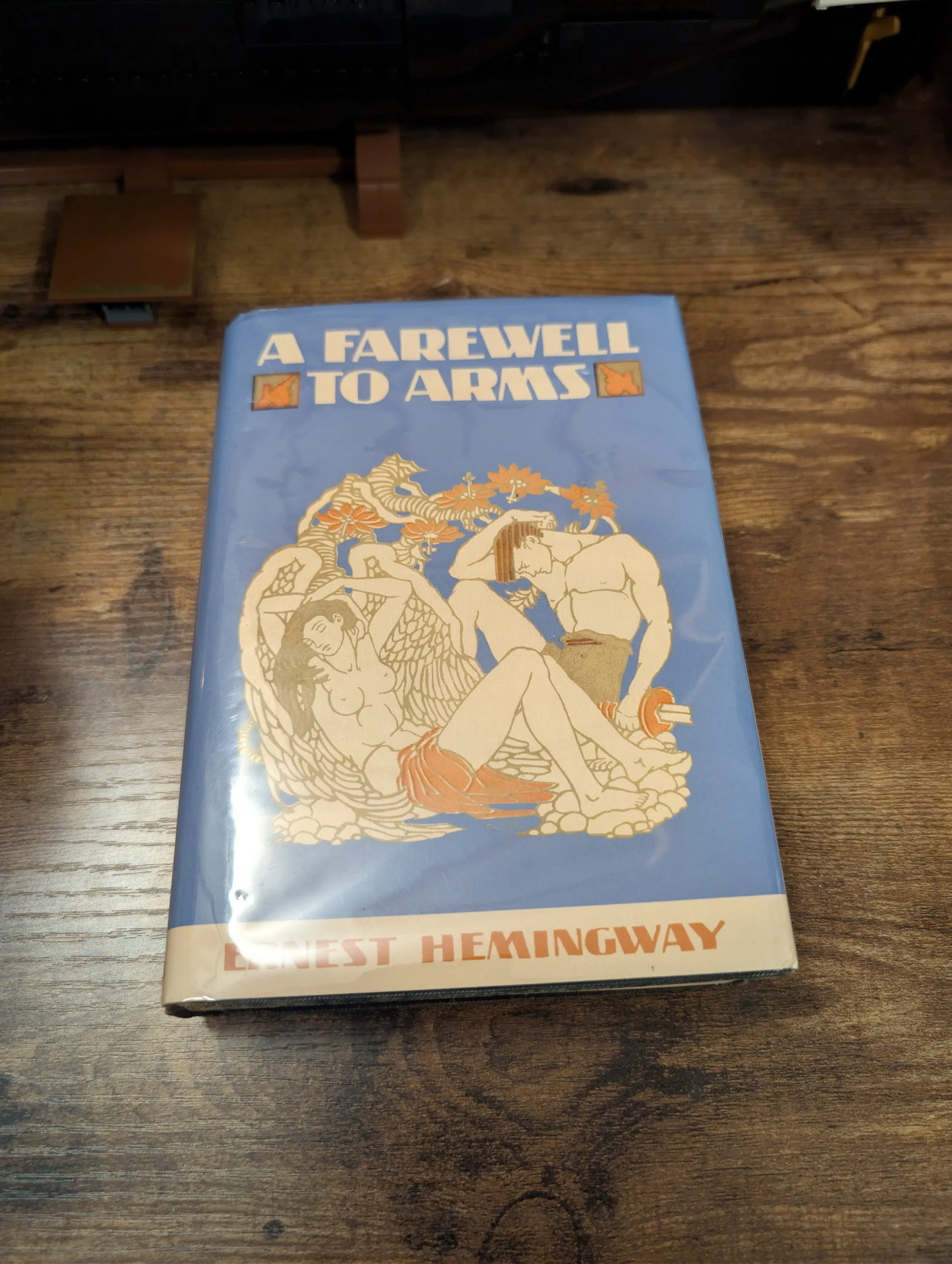 Image 1 of 7
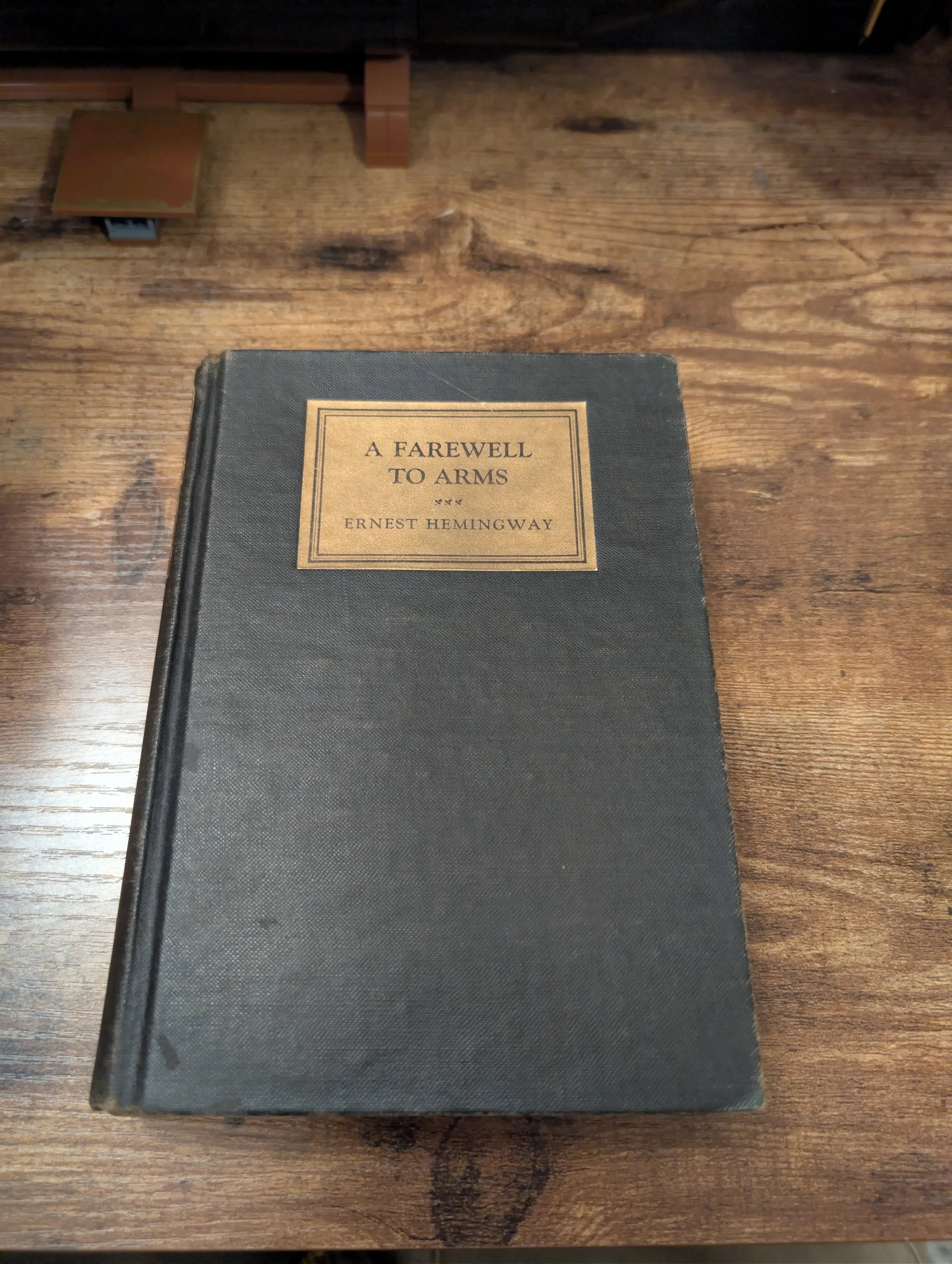 Image 2 of 7
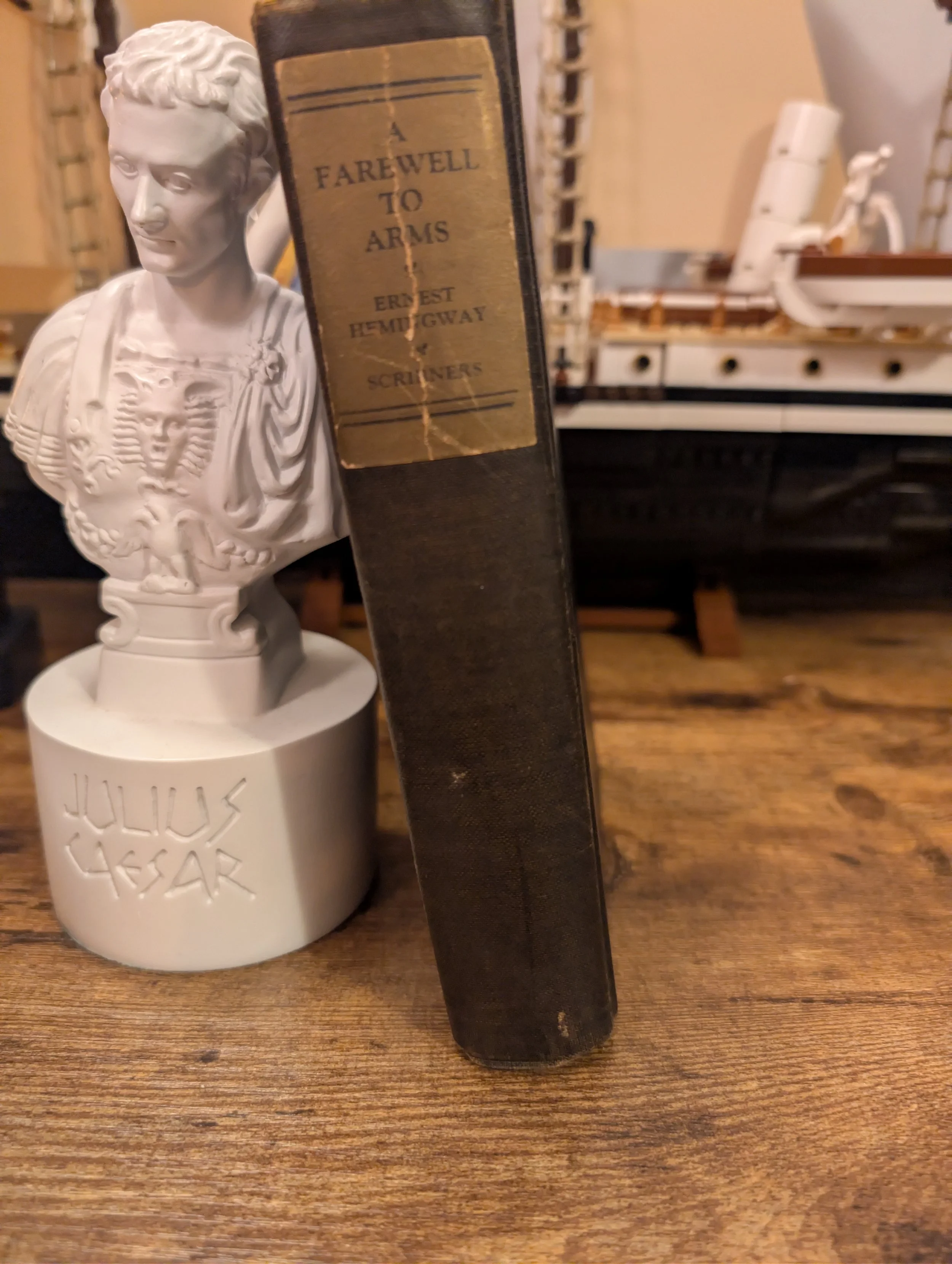 Image 3 of 7
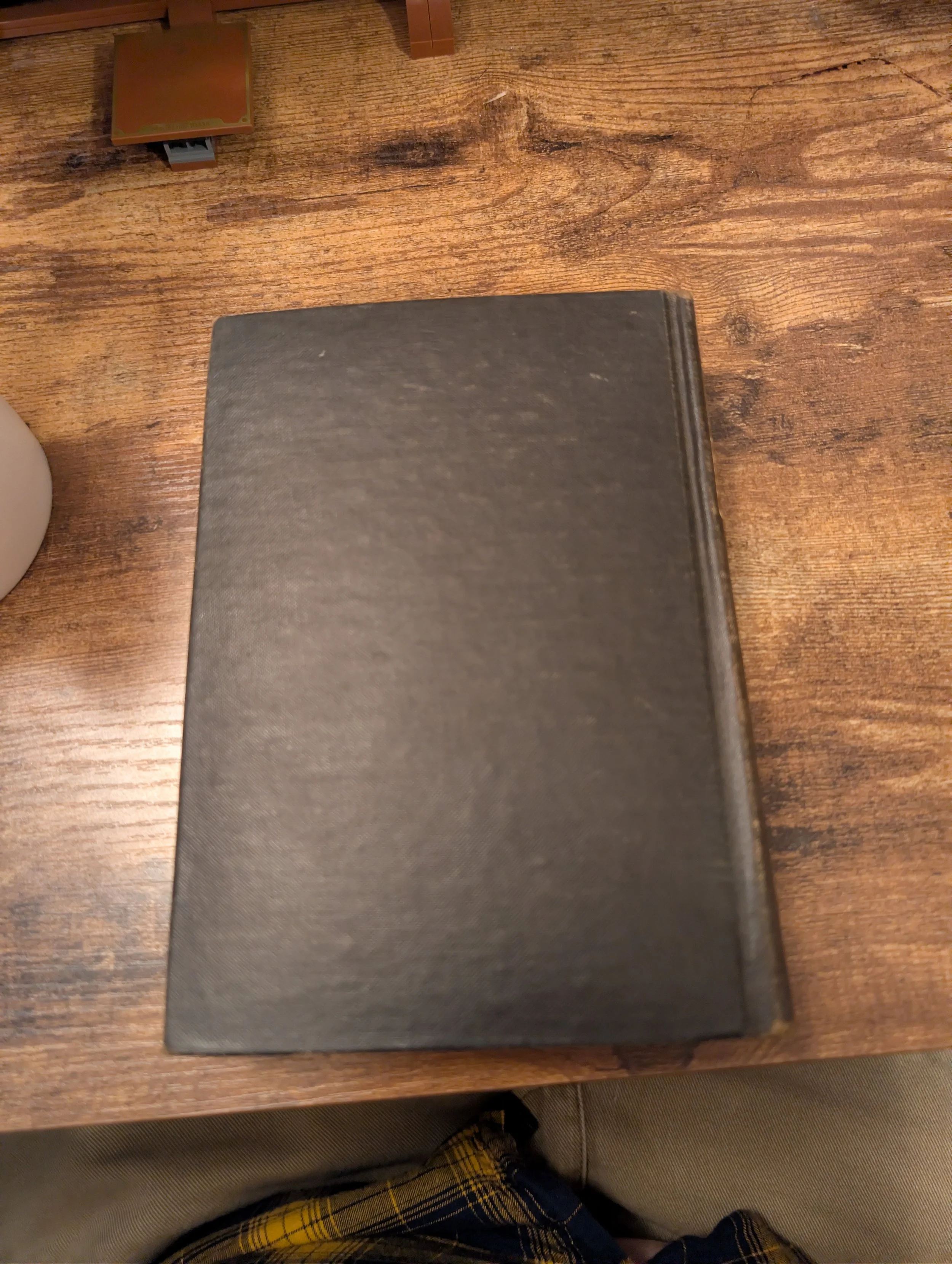 Image 4 of 7
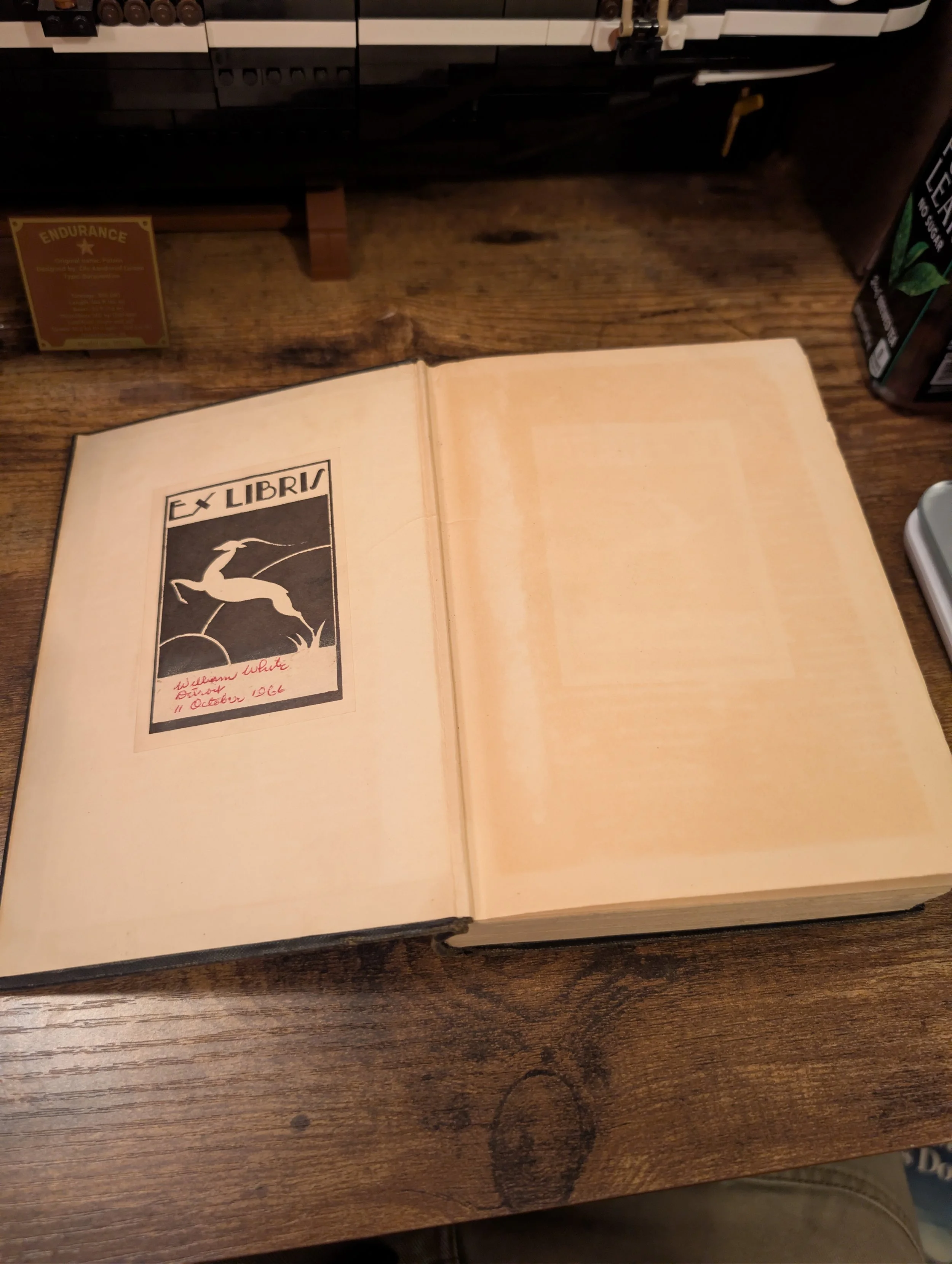 Image 5 of 7
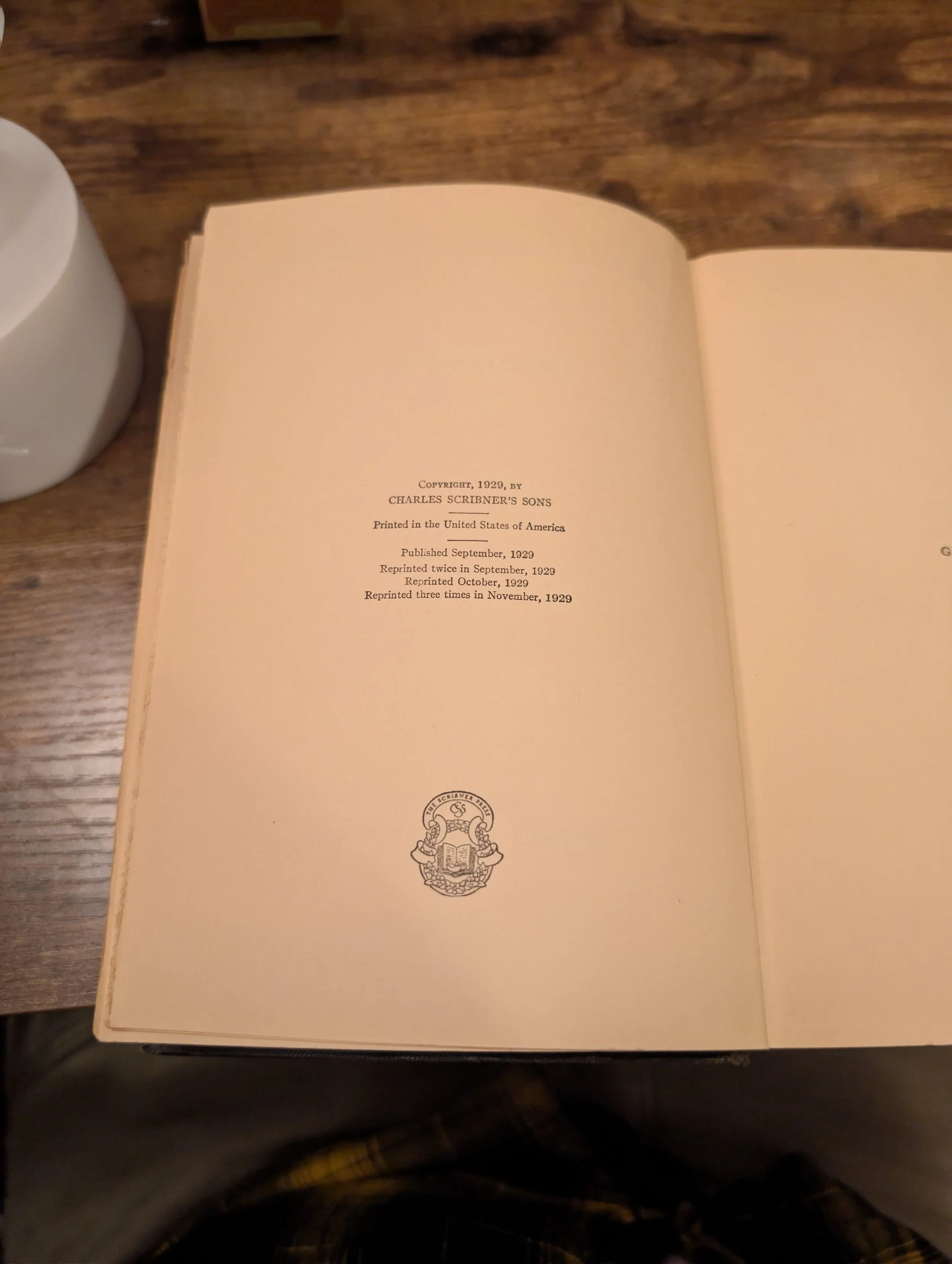 Image 6 of 7
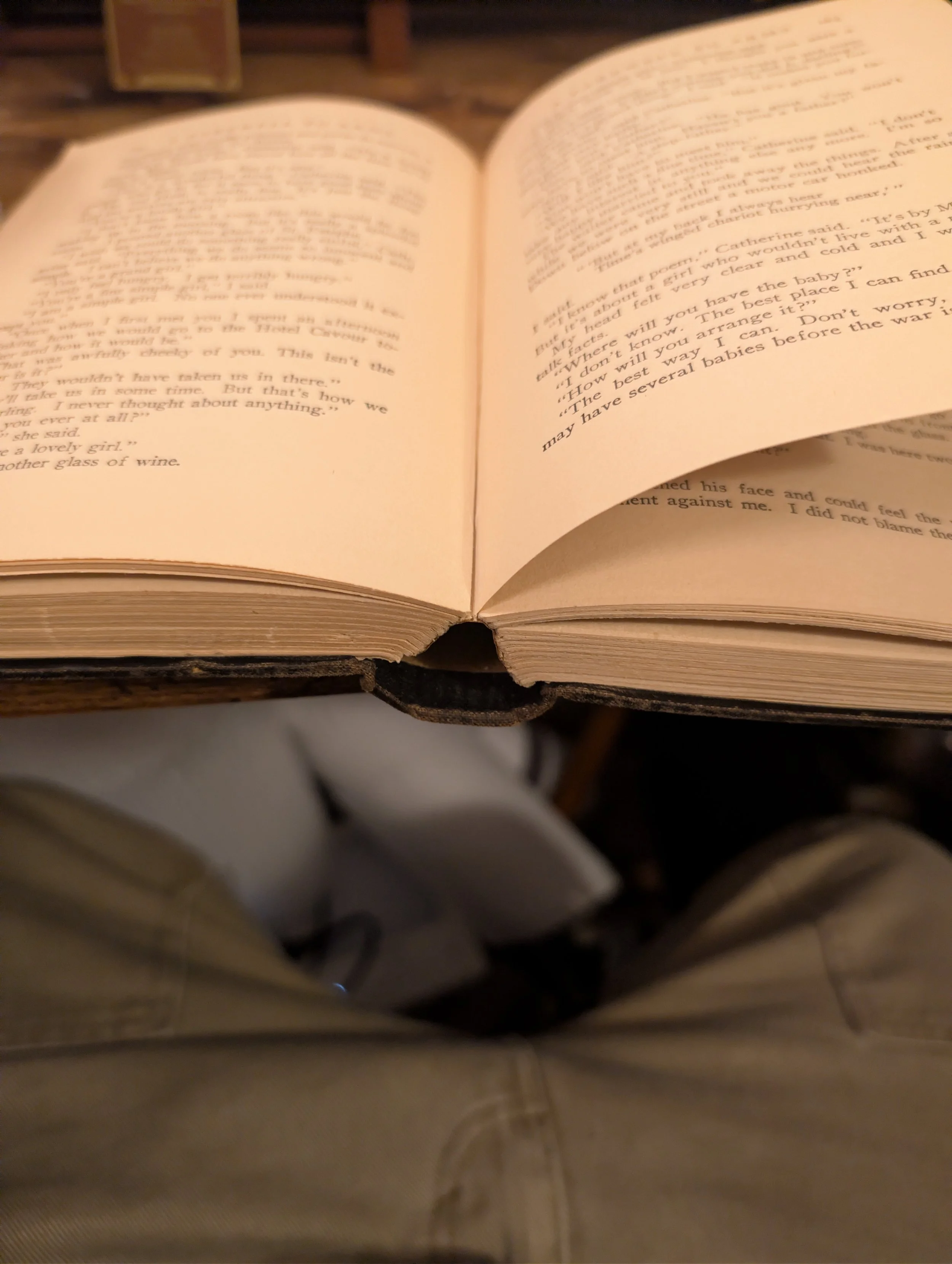 Image 7 of 7