The Story & Significance
Published in 1880 (with an 1879 copyright), Mark Twain’s A Tramp Abroad is a comedic sequel to The Innocents Abroad, capturing Twain at the peak of his observational powers. Accompanied by his companion, Harris, Twain journeys through Germany, Switzerland, and Italy, ostensibly on a walking tour—though they rarely walk. The book is famous for its biting social commentary and the hilariously frustrated appendix, "The Awful German Language." It serves as a definitive bridge between Twain's early travel writing and his later status as America's greatest humorist, blending sharp satire with whimsical tall tales.
Physical Description & Provenance
Edition: First Edition, First State (1880).
Publisher: American Publishing Company, Hartford.
Binding: Original publisher's black cloth with elaborate gold and blind-stamped decorations.
Condition Points: This copy is in Acceptable condition. The boards exhibit significant fading, and the hinges are split. Several pages at the beginning of the volume are currently unattached.
First State Markers: This copy contains the essential bibliographic points of issue: the "Titan's Moses" caption on the frontispiece, the "2oo" error on page 46, and the "spirting" error on page 414.
Provenance: Includes a vintage bookplate on the front pastedown, adding a touch of historical character to the volume.
Collector’s Note
For the dedicated Twain bibliophile, the "Titan's Moses" frontispiece is the most sought-after marker of the true first state. While this copy shows the honest wear of a 140-year-old adventure book—including split hinges and faded cloth—it remains a technically complete specimen of the earliest printing. It is an ideal "reference copy" for a collector who prioritizes bibliographic accuracy and the presence of rare state markers over physical perfection. Given its internal cleanliness and the significance of the first-state points, it represents a remarkable value for a foundational piece of American travel literature.
See all of our classic literature selections.
The Story & Significance
Published in 1880 (with an 1879 copyright), Mark Twain’s A Tramp Abroad is a comedic sequel to The Innocents Abroad, capturing Twain at the peak of his observational powers. Accompanied by his companion, Harris, Twain journeys through Germany, Switzerland, and Italy, ostensibly on a walking tour—though they rarely walk. The book is famous for its biting social commentary and the hilariously frustrated appendix, "The Awful German Language." It serves as a definitive bridge between Twain's early travel writing and his later status as America's greatest humorist, blending sharp satire with whimsical tall tales.
Physical Description & Provenance
Edition: First Edition, First State (1880).
Publisher: American Publishing Company, Hartford.
Binding: Original publisher's black cloth with elaborate gold and blind-stamped decorations.
Condition Points: This copy is in Acceptable condition. The boards exhibit significant fading, and the hinges are split. Several pages at the beginning of the volume are currently unattached.
First State Markers: This copy contains the essential bibliographic points of issue: the "Titan's Moses" caption on the frontispiece, the "2oo" error on page 46, and the "spirting" error on page 414.
Provenance: Includes a vintage bookplate on the front pastedown, adding a touch of historical character to the volume.
Collector’s Note
For the dedicated Twain bibliophile, the "Titan's Moses" frontispiece is the most sought-after marker of the true first state. While this copy shows the honest wear of a 140-year-old adventure book—including split hinges and faded cloth—it remains a technically complete specimen of the earliest printing. It is an ideal "reference copy" for a collector who prioritizes bibliographic accuracy and the presence of rare state markers over physical perfection. Given its internal cleanliness and the significance of the first-state points, it represents a remarkable value for a foundational piece of American travel literature.
See all of our classic literature selections.
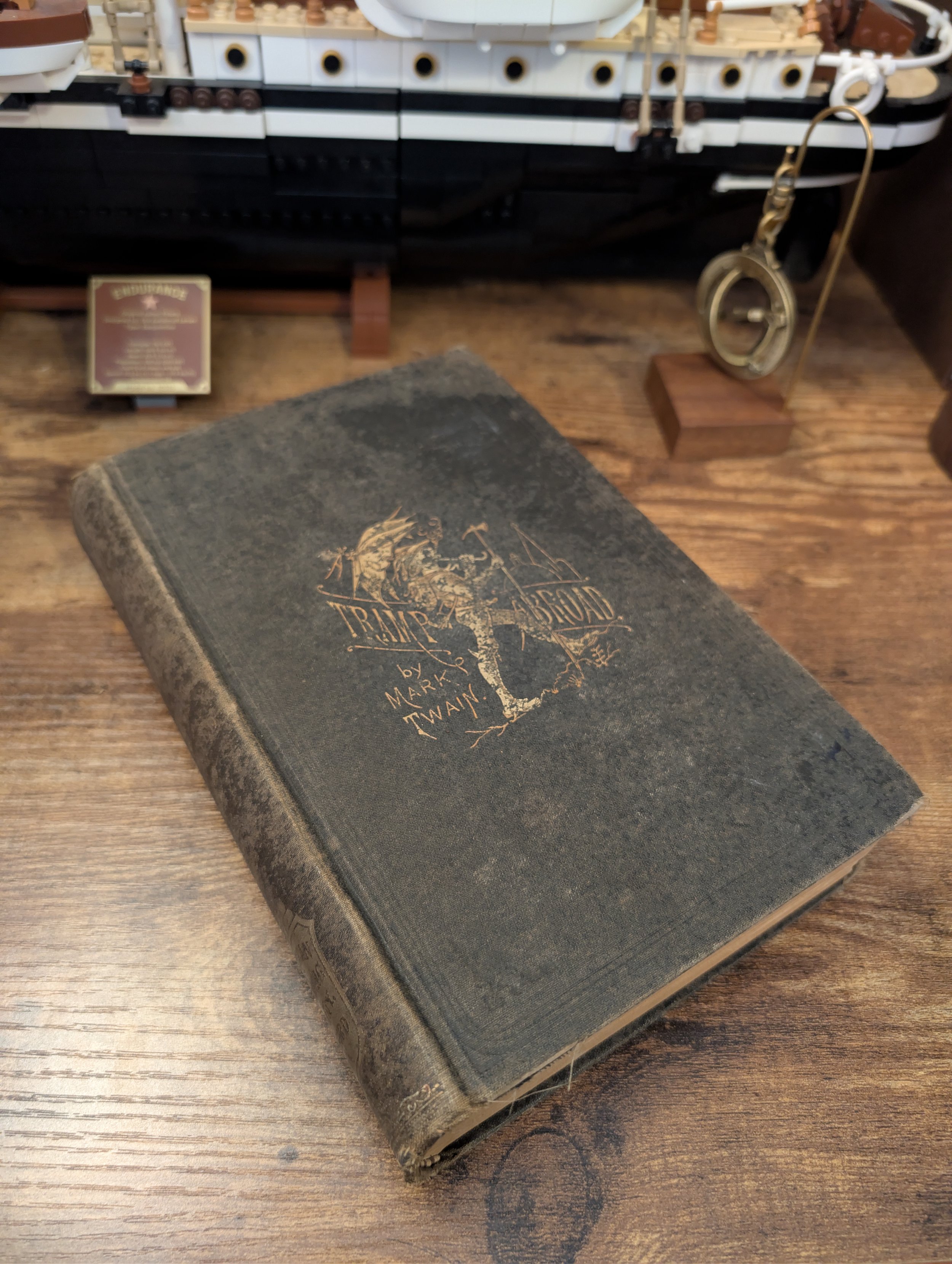 Image 1 of 10
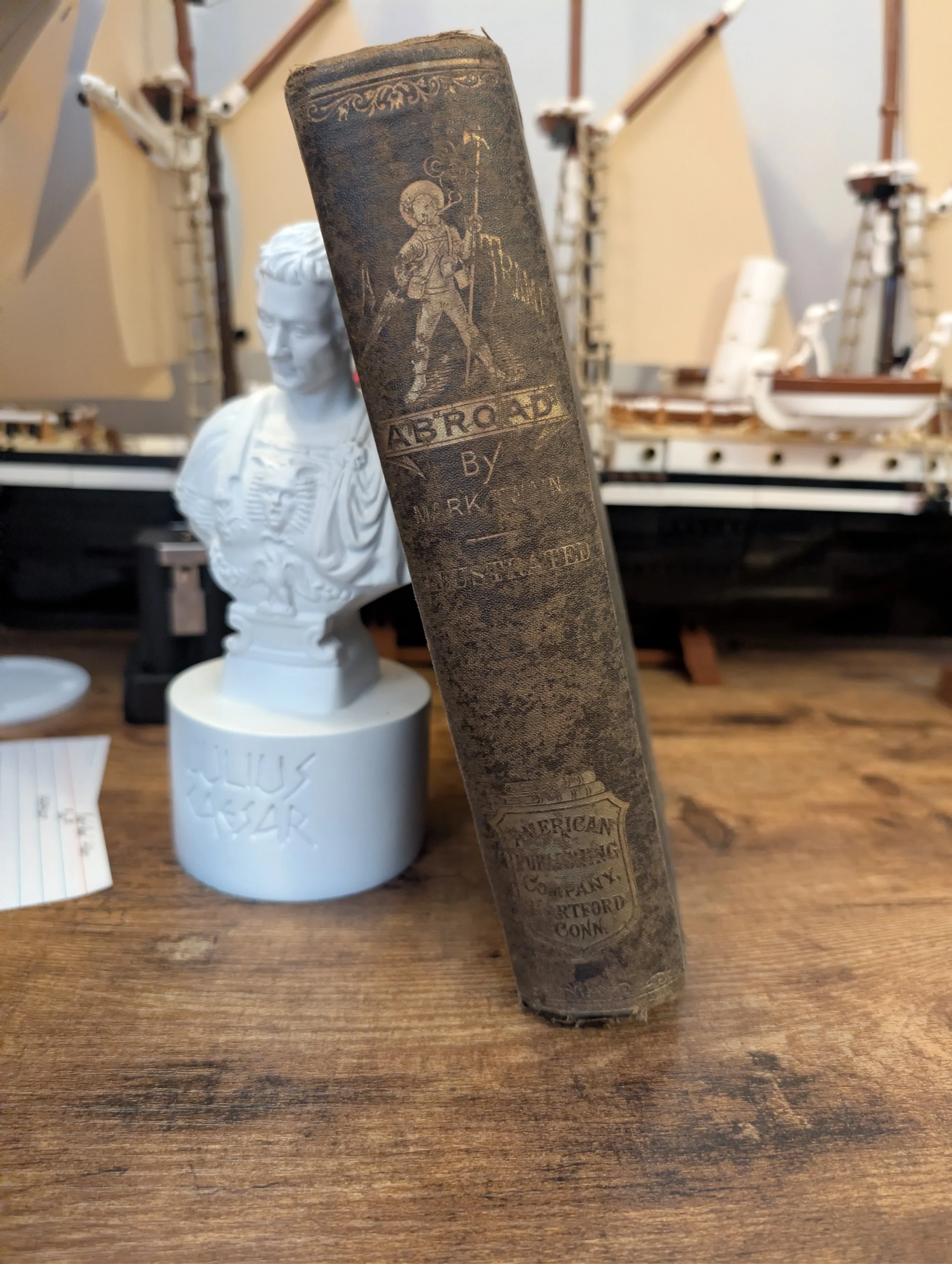 Image 2 of 10
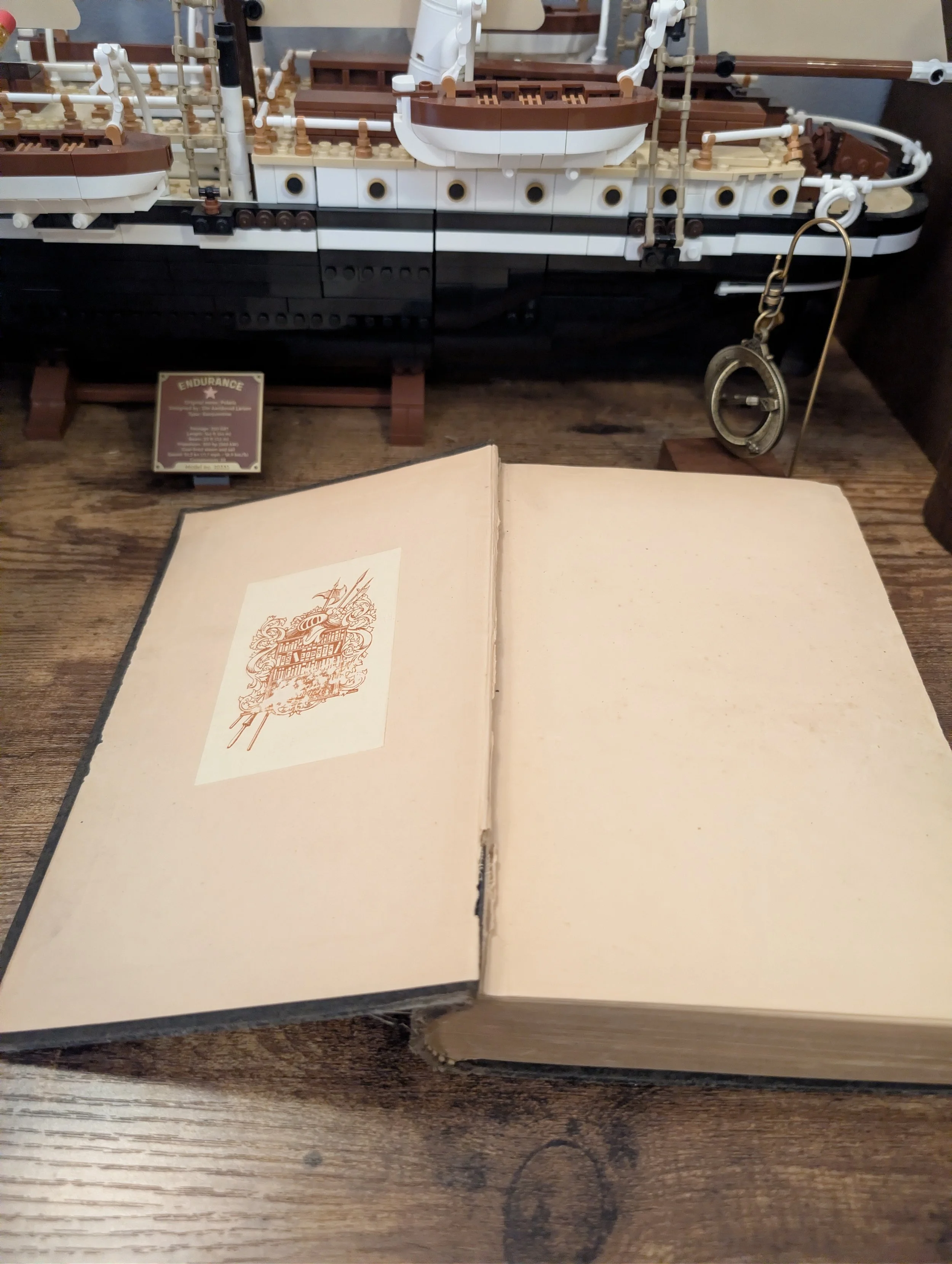 Image 3 of 10
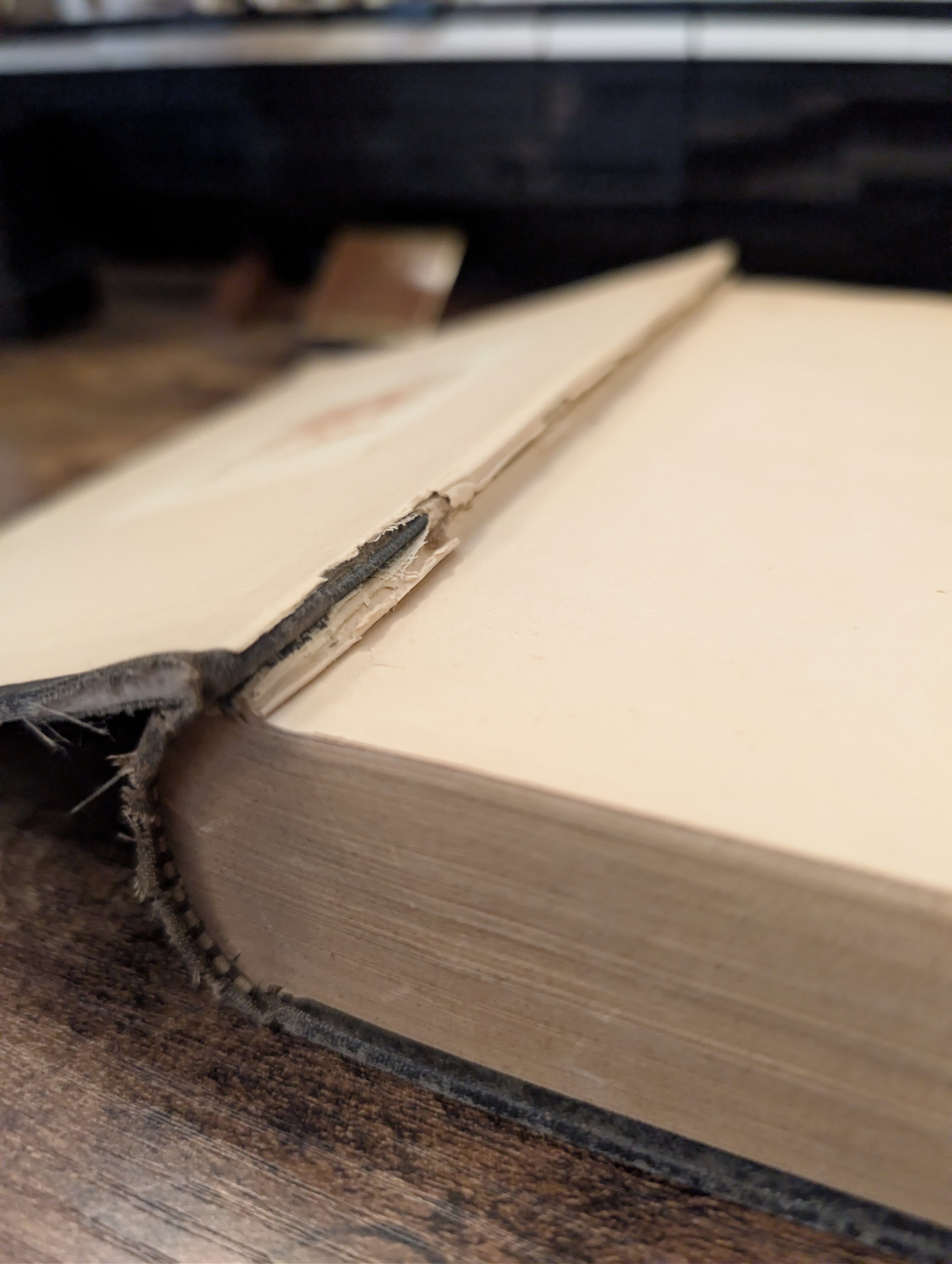 Image 4 of 10
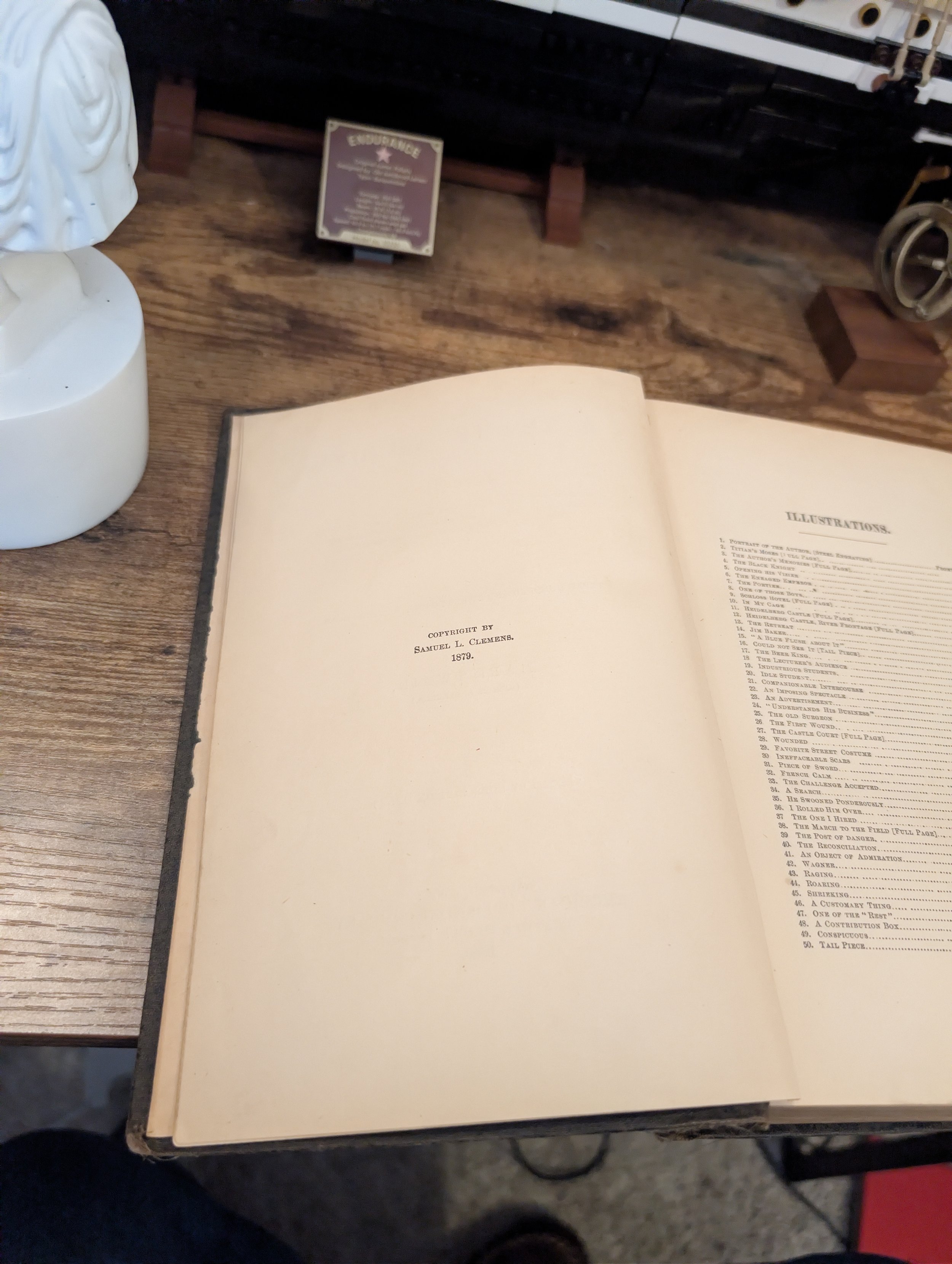 Image 5 of 10
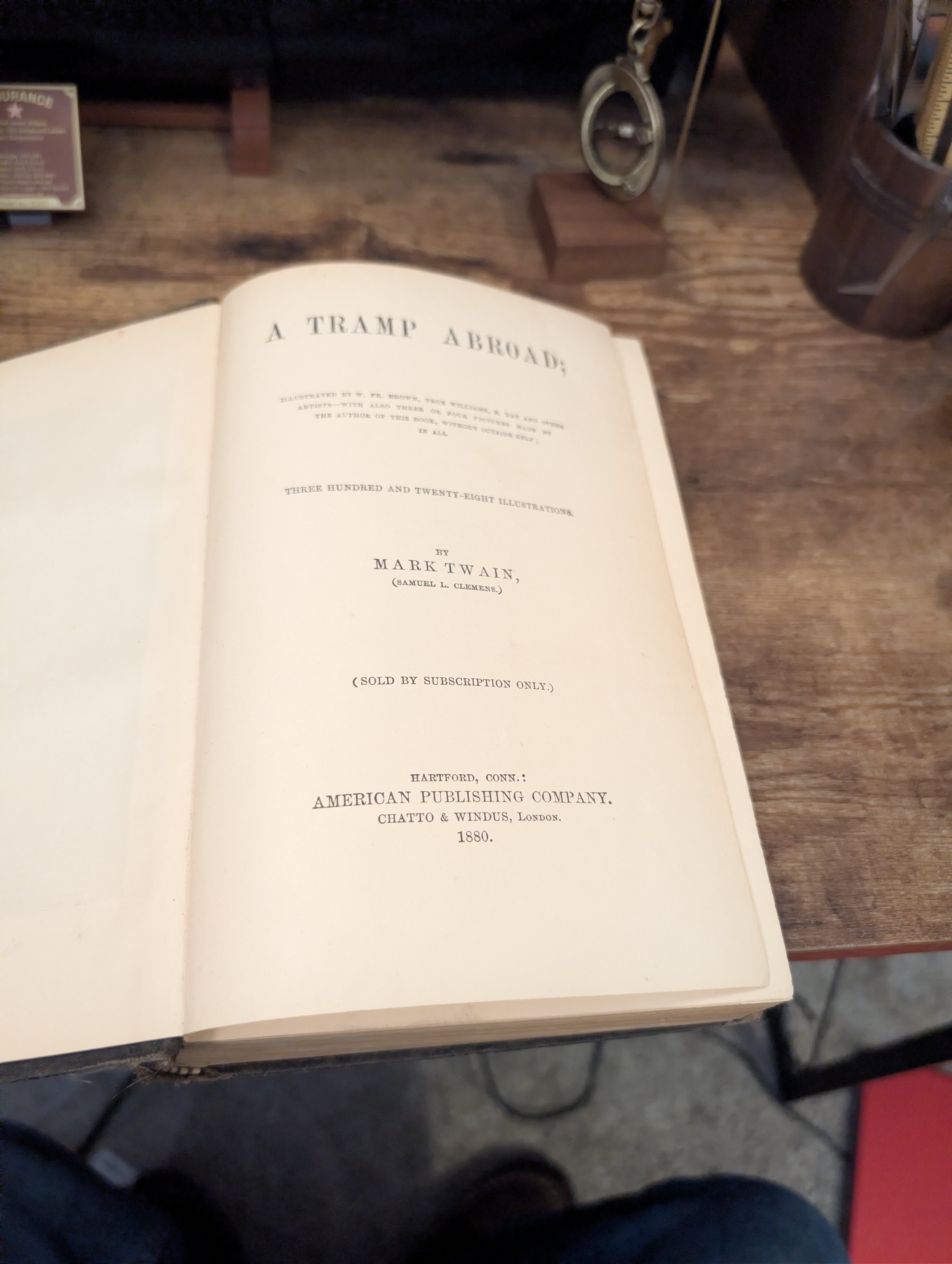 Image 6 of 10
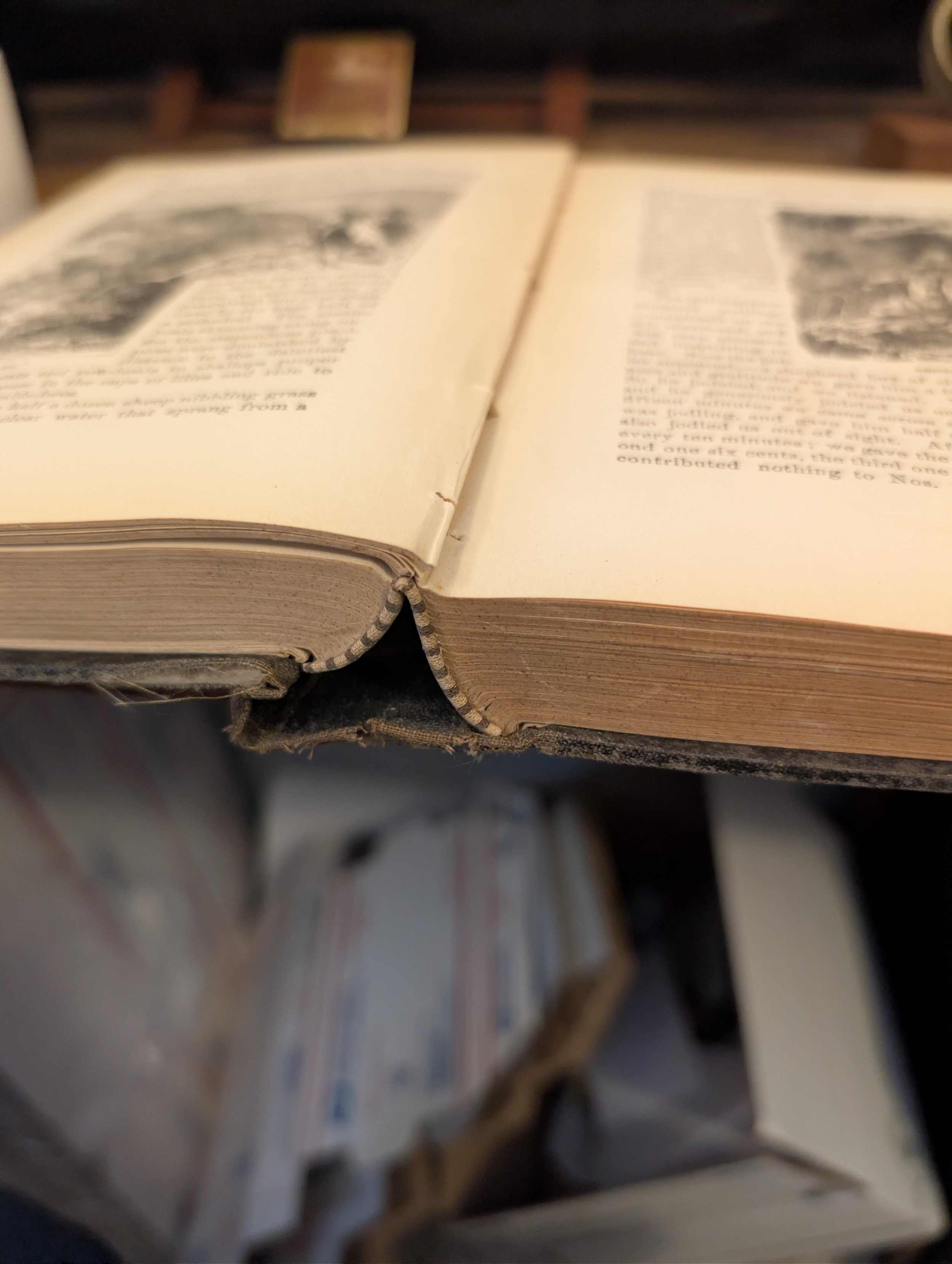 Image 7 of 10
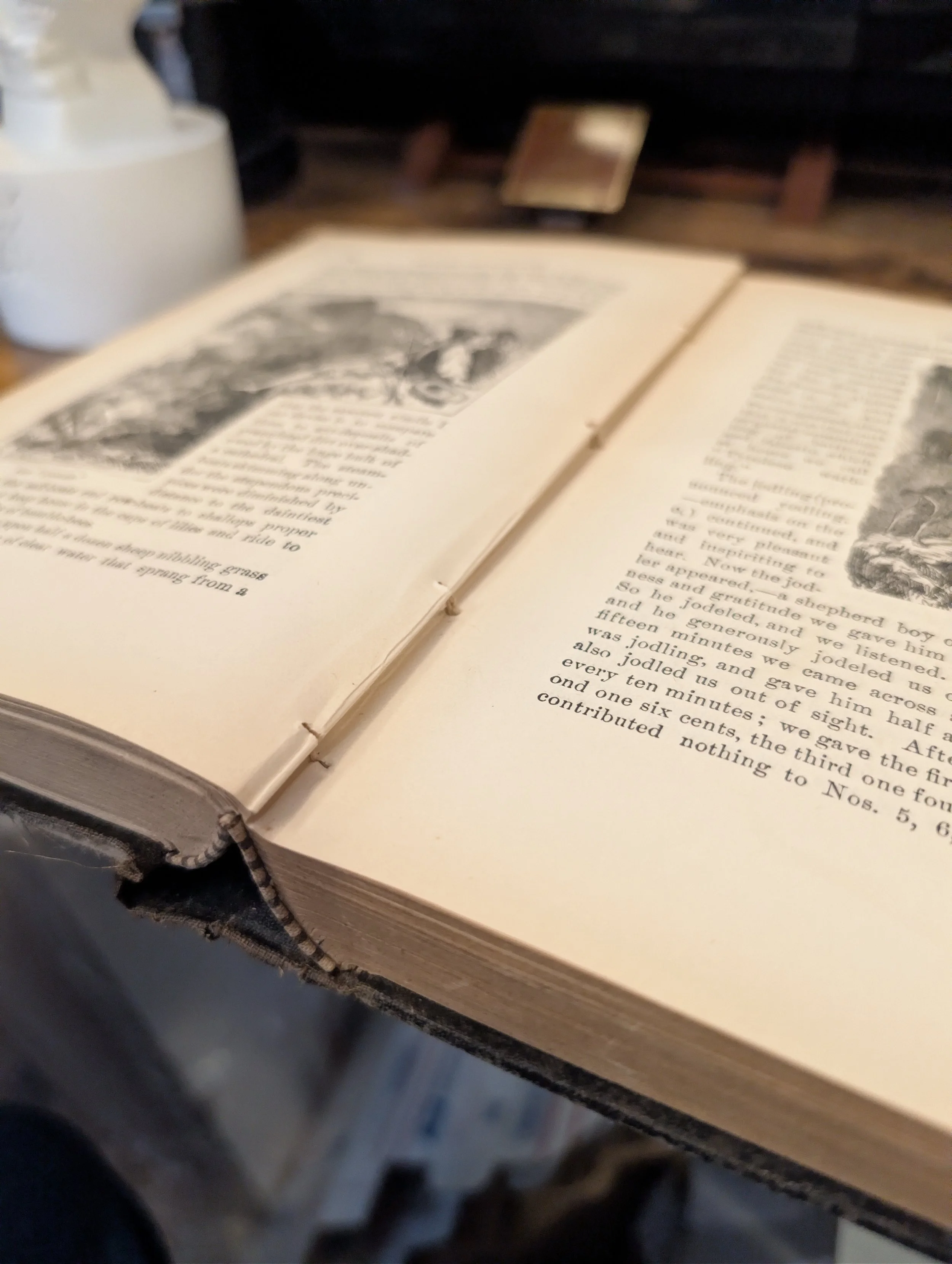 Image 8 of 10
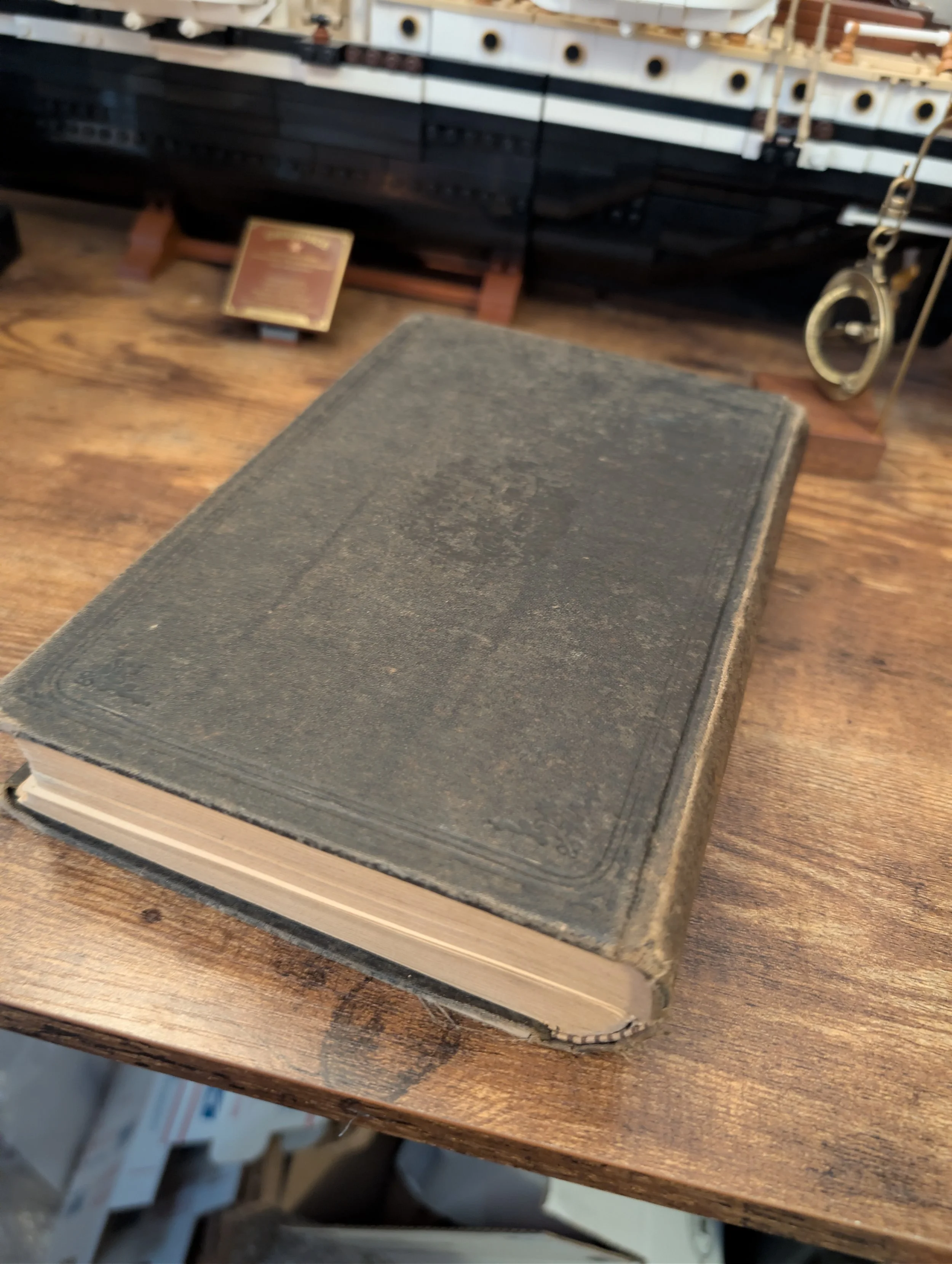 Image 9 of 10
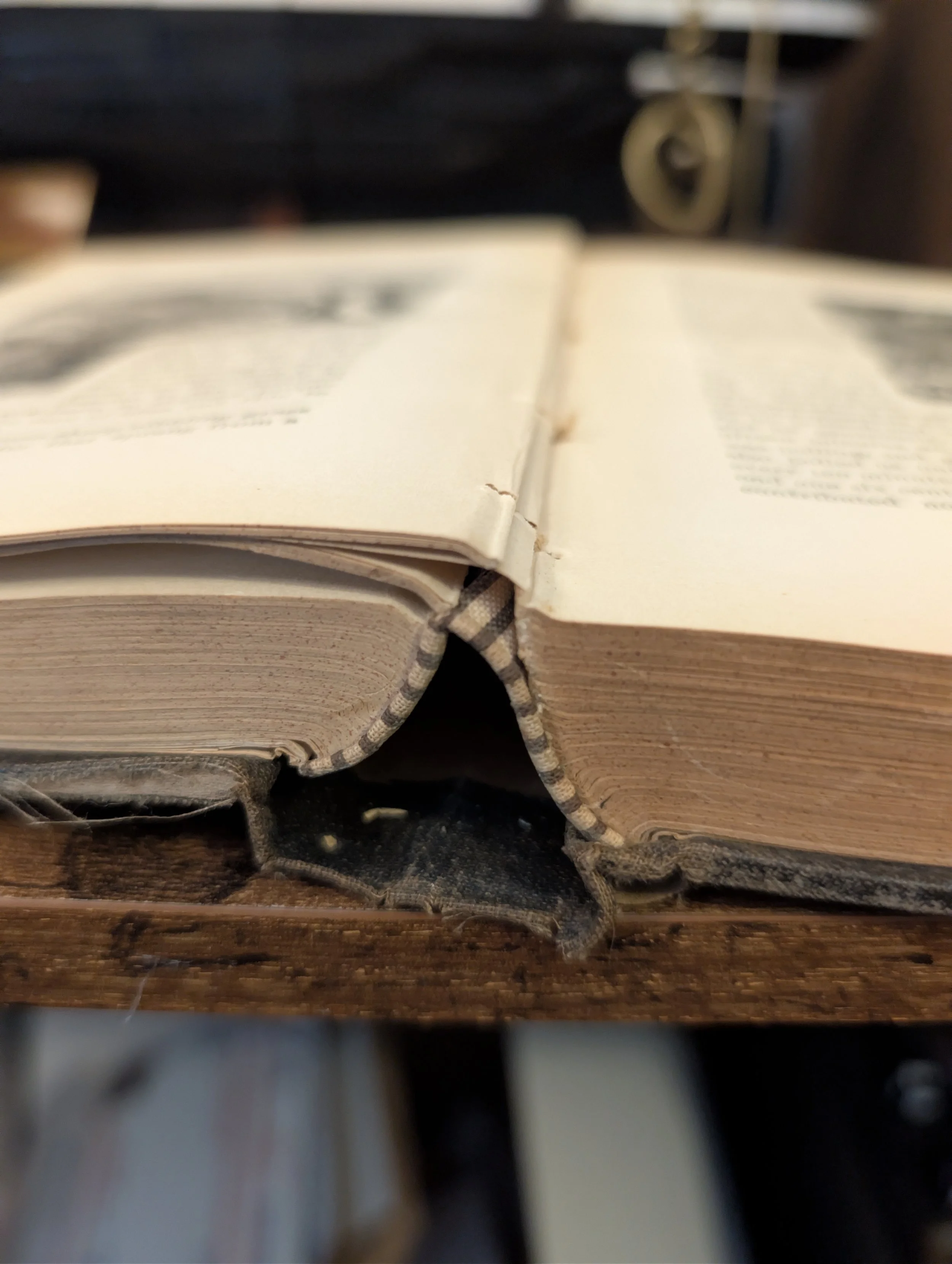 Image 10 of 10