 Image 1 of 5
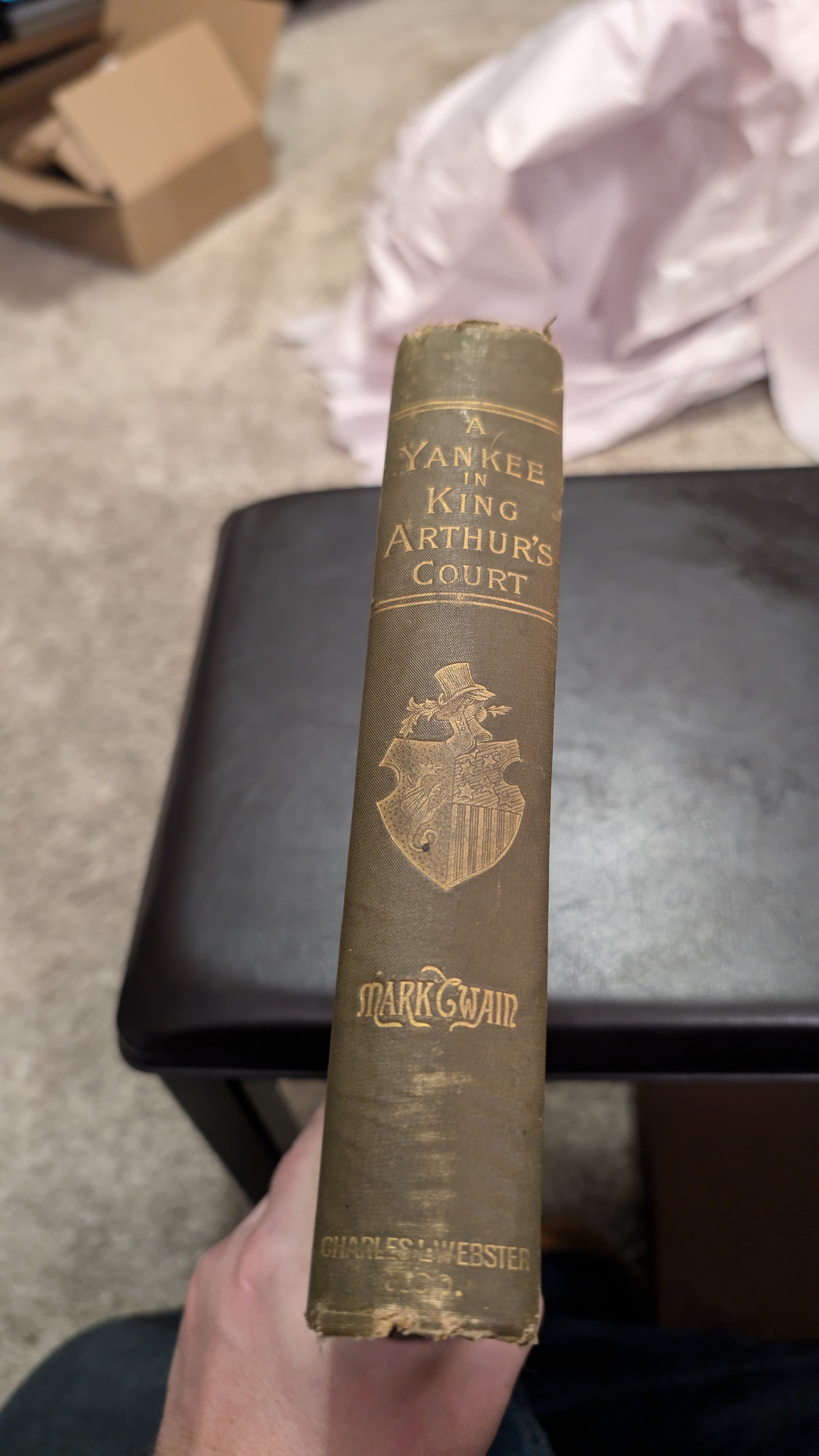 Image 2 of 5
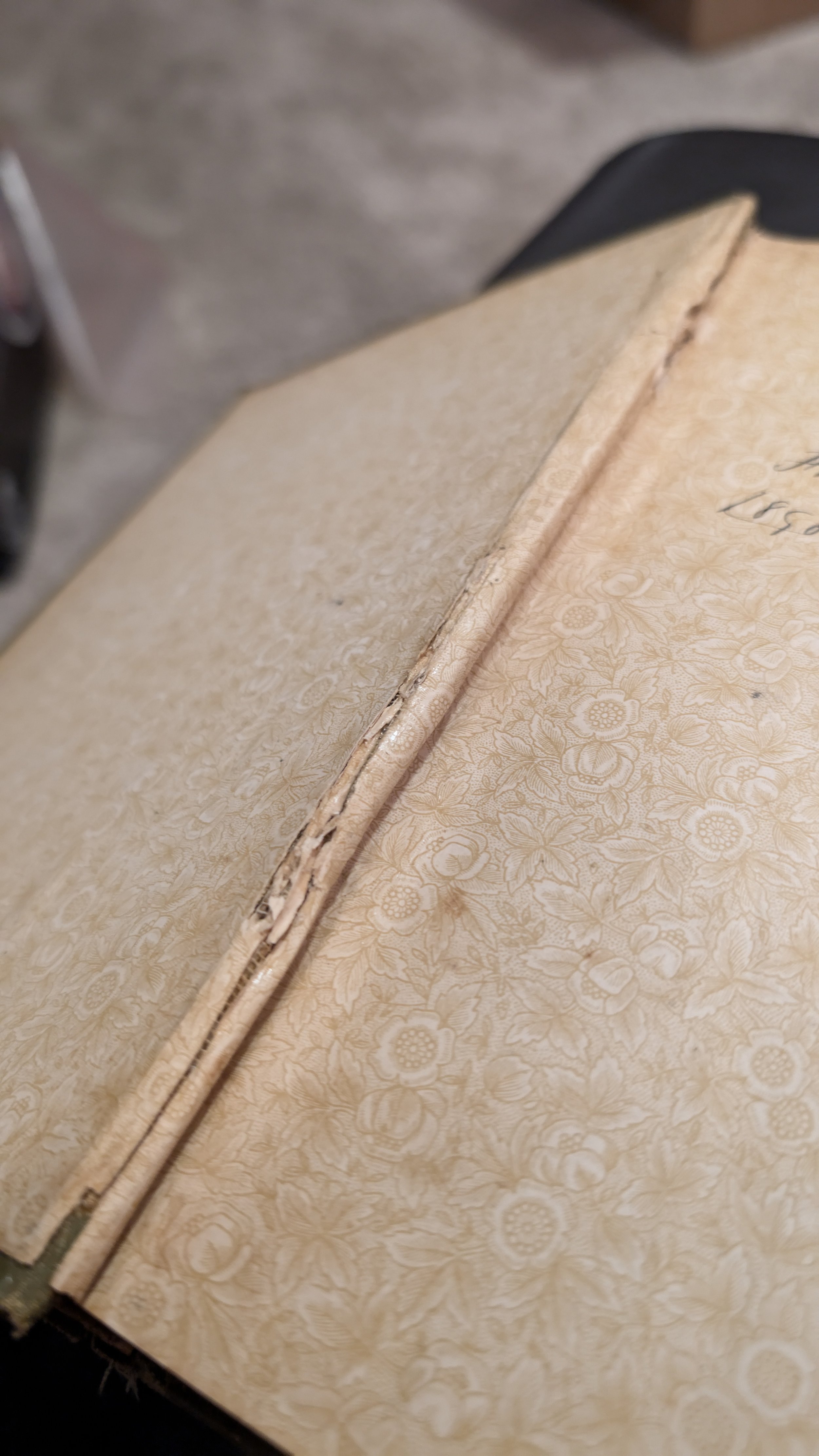 Image 3 of 5
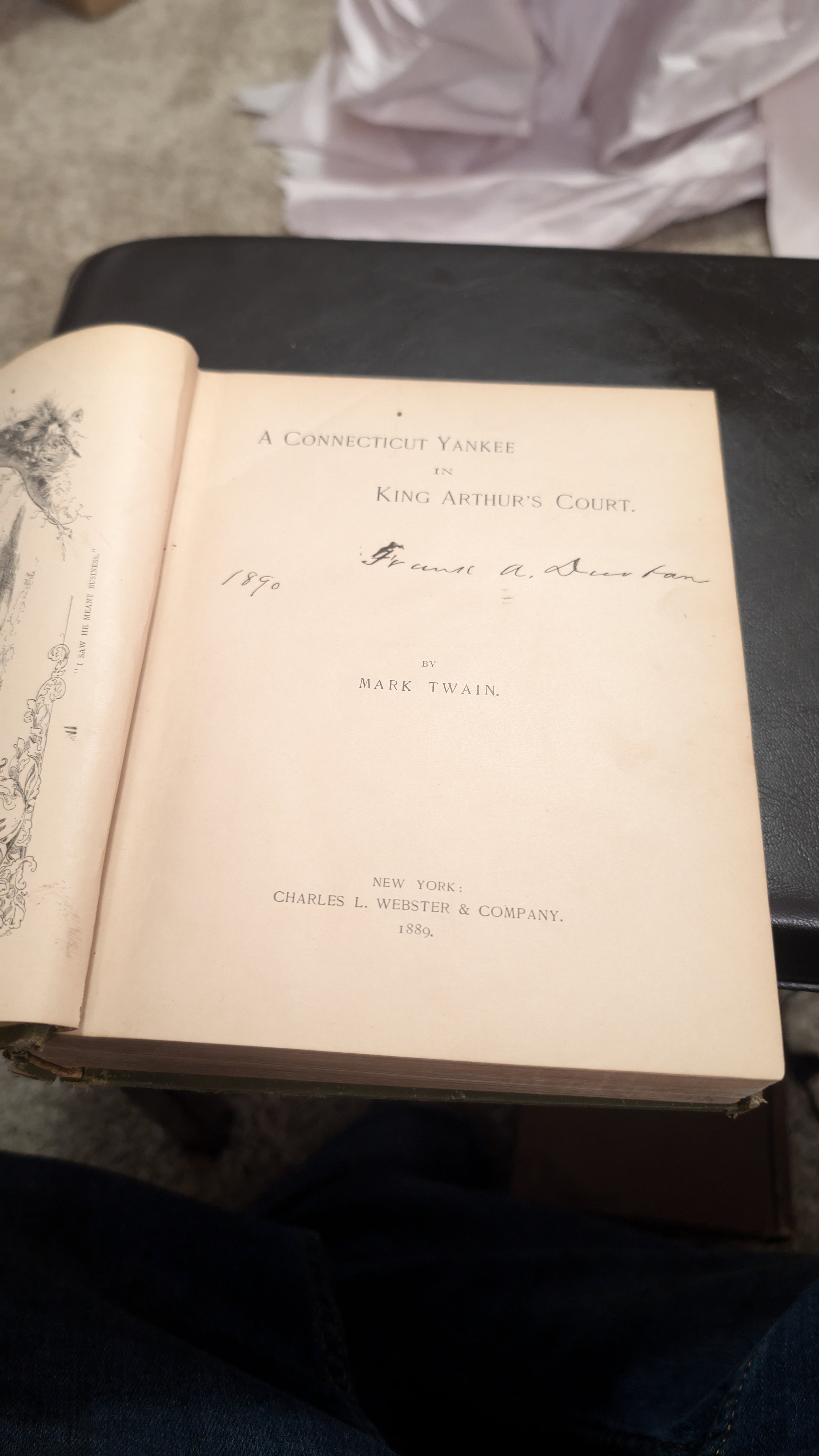 Image 4 of 5
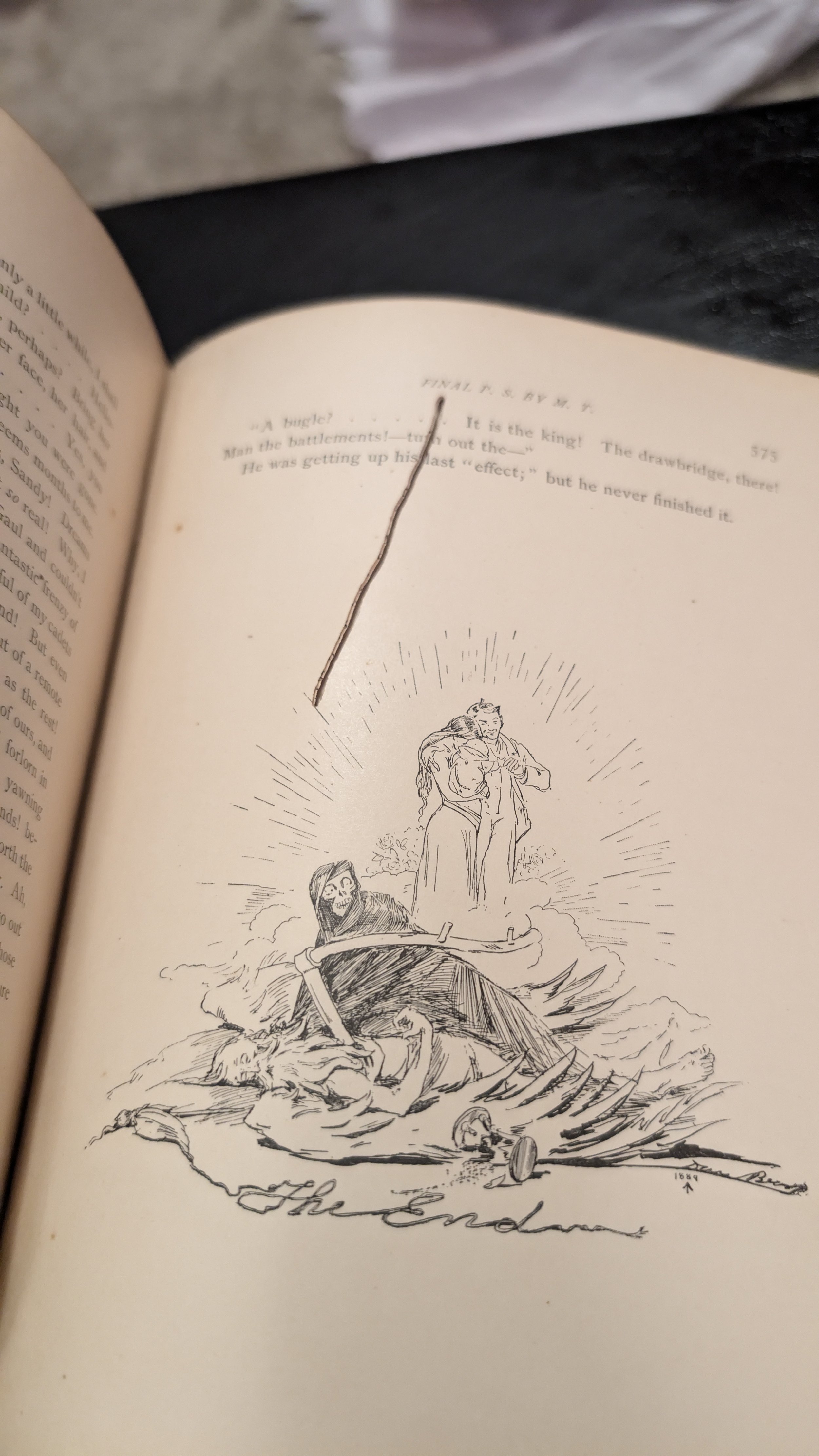 Image 5 of 5
Published in 1889, Mark Twain’s A Connecticut Yankee in King Arthur’s Court is a foundational work of speculative fiction and one of the most sophisticated social satires in the American canon. The narrative follows Hank Morgan, a pragmatic 19th-century factory foreman who, after a blow to the head, is transported to 6th-century England. By introducing industrial technology and democratic ideals to Camelot, Twain explores the clash between the Enlightenment and the "Dark Ages." While the novel begins with high-stakes comedy and historical parody, it ultimately transforms into a dark, prophetic critique of modern warfare and the moral complexities of imposed "progress."
Edition: First Edition, Later State (1889).
Publisher: Charles L. Webster and Company, New York.
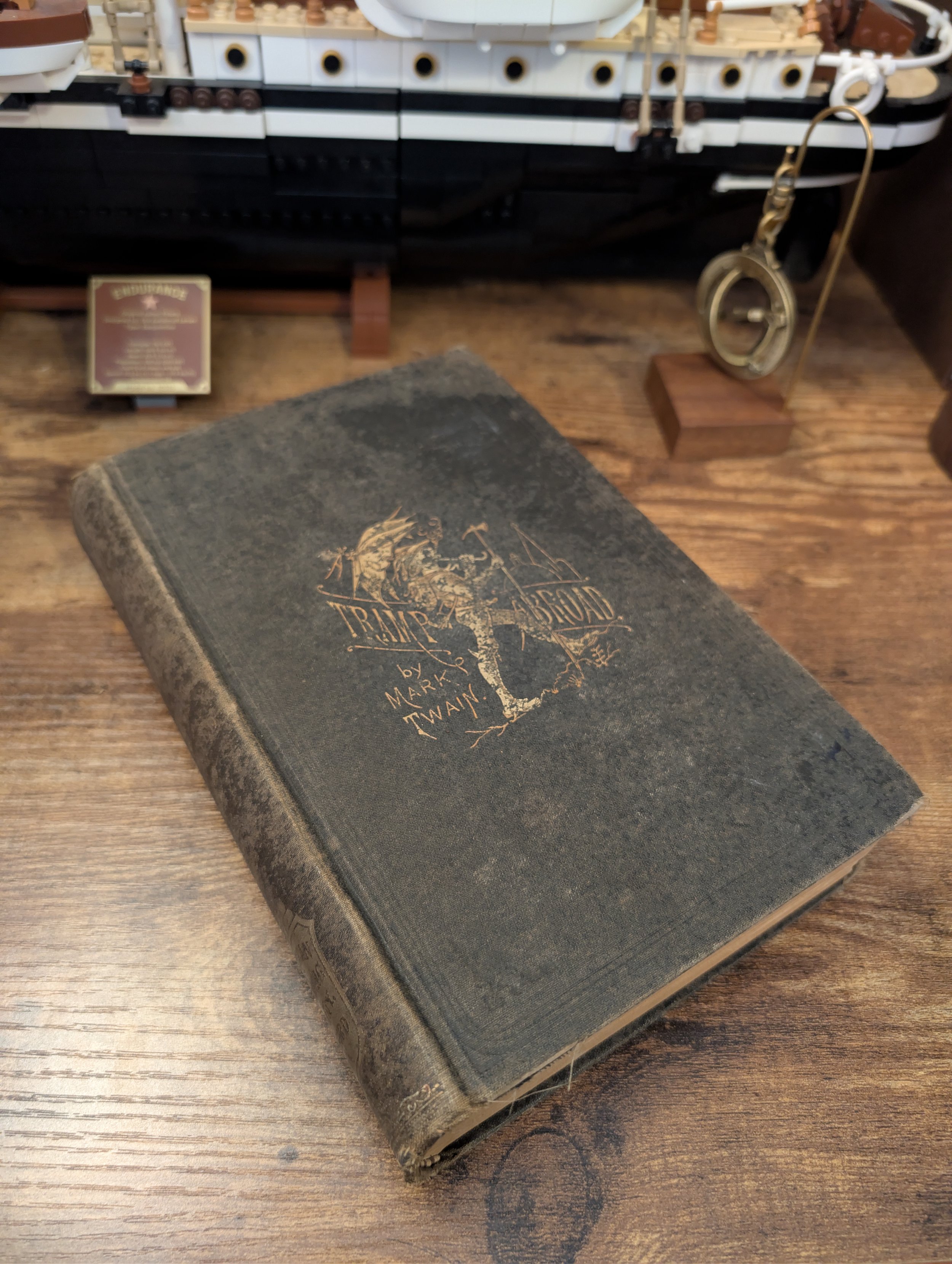
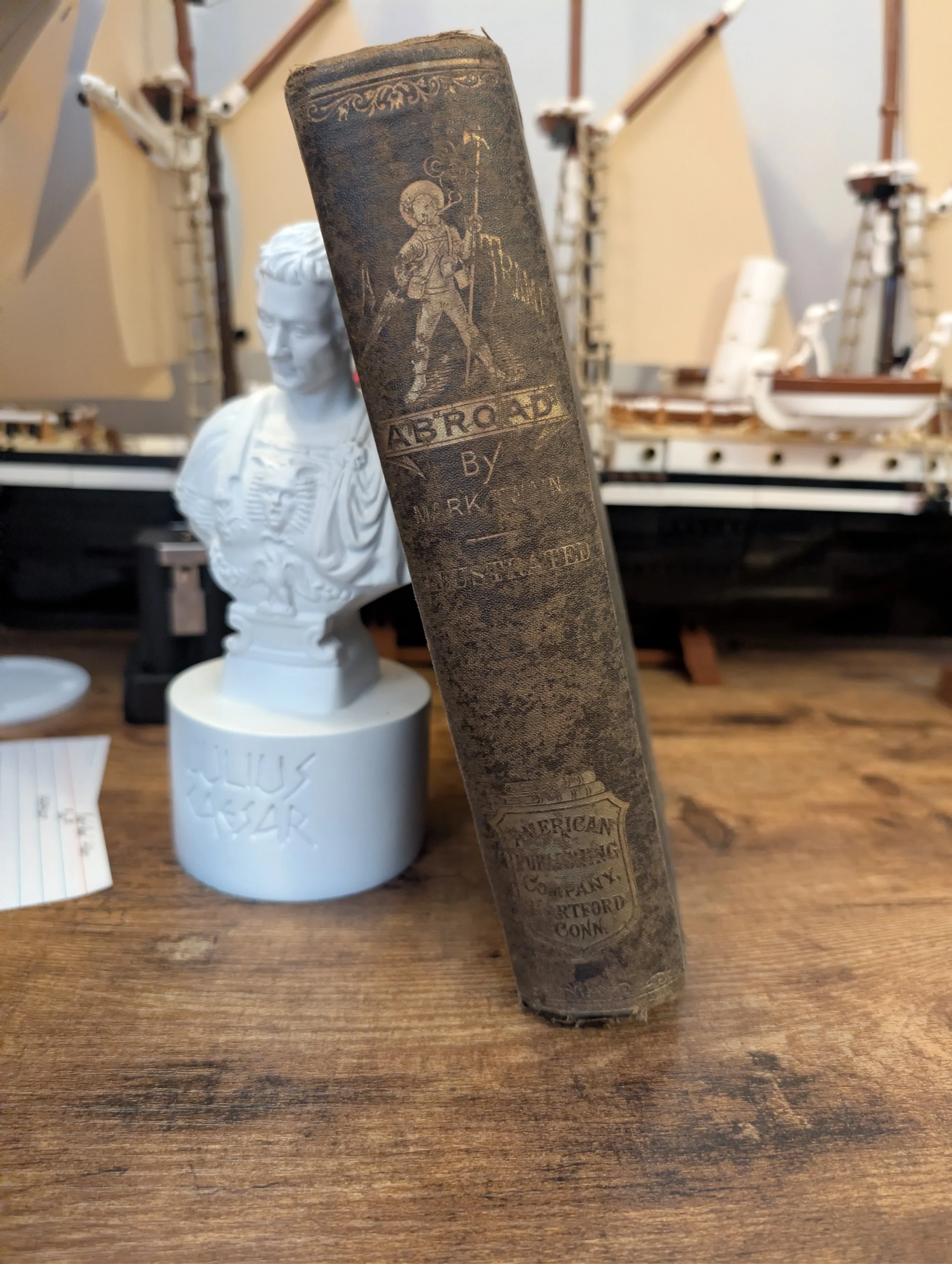
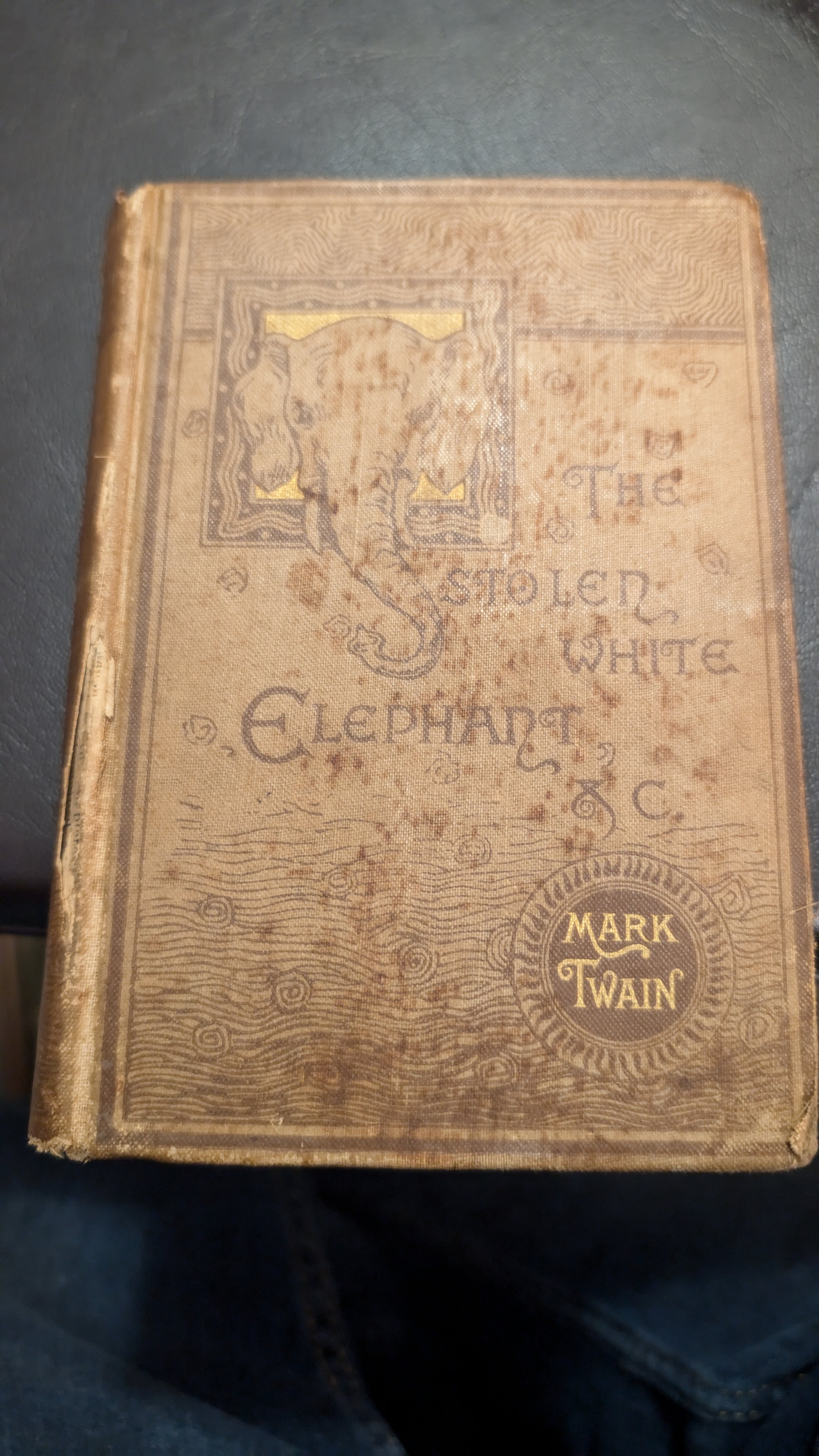
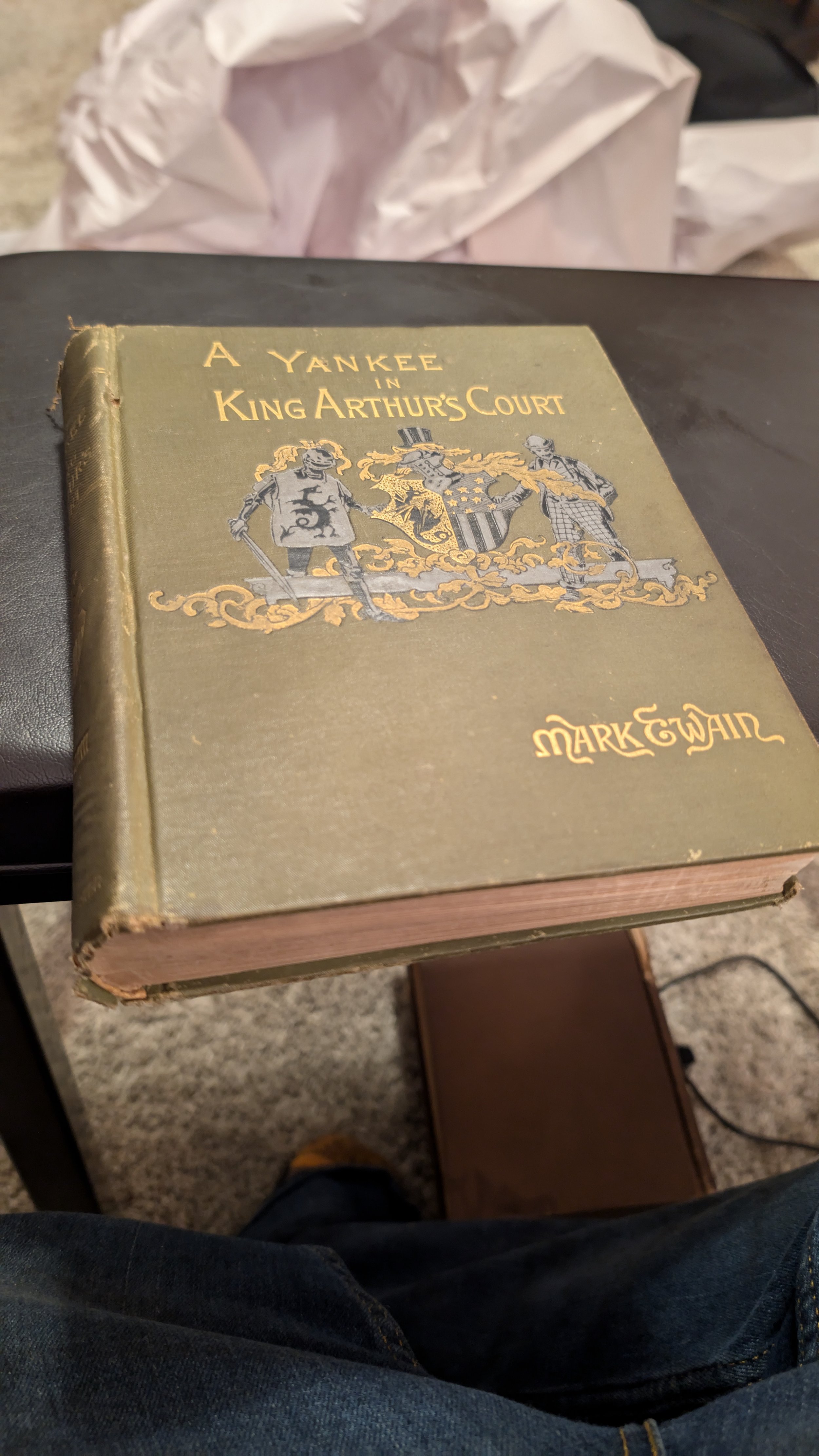
Binding: Original publisher's green cloth with elaborate gilt and black decorative stamping. The book is in Fair condition.
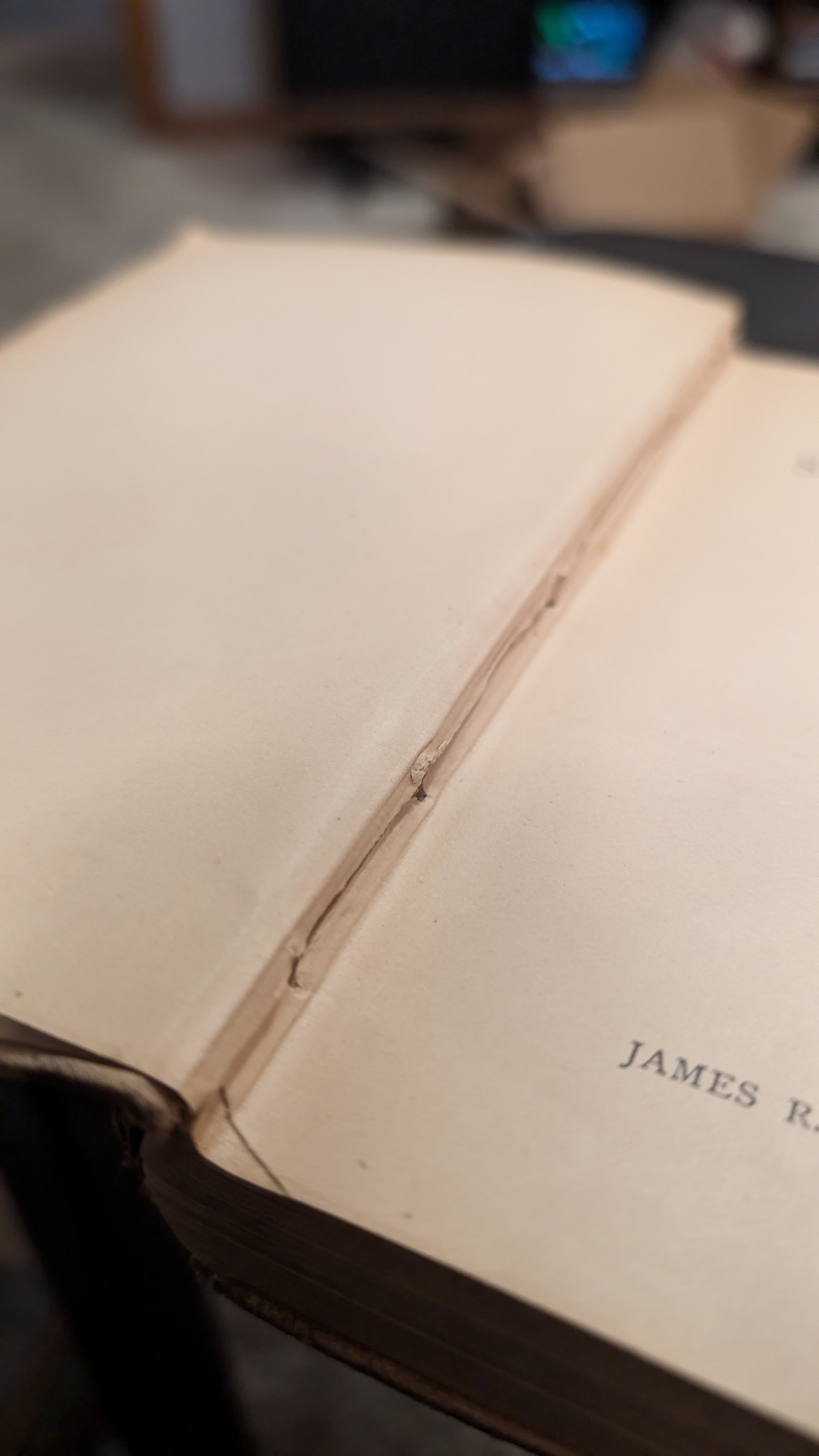
Condition Points: The boards show typical bumping to the corners and light shelf wear. The binding is a bit loose in places.
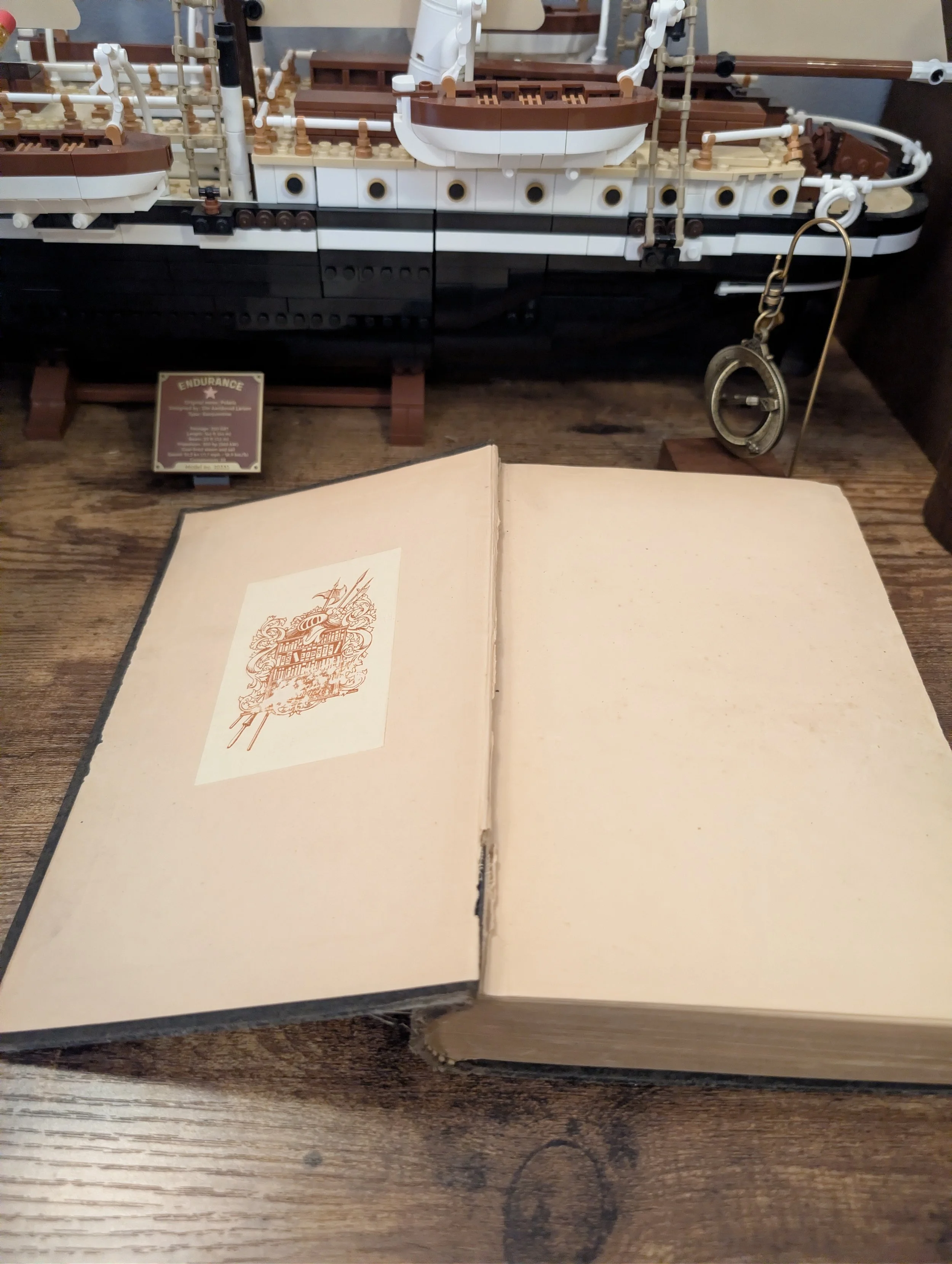
Special Note: This copy features authentic bookworm damage. While much of this is confined to the margins outside the text block, the final few pages show more significant incursion.
Provenance: An early American printing from Twain's own short-lived publishing house, maintaining the original illustrative charm of the late 19th century.
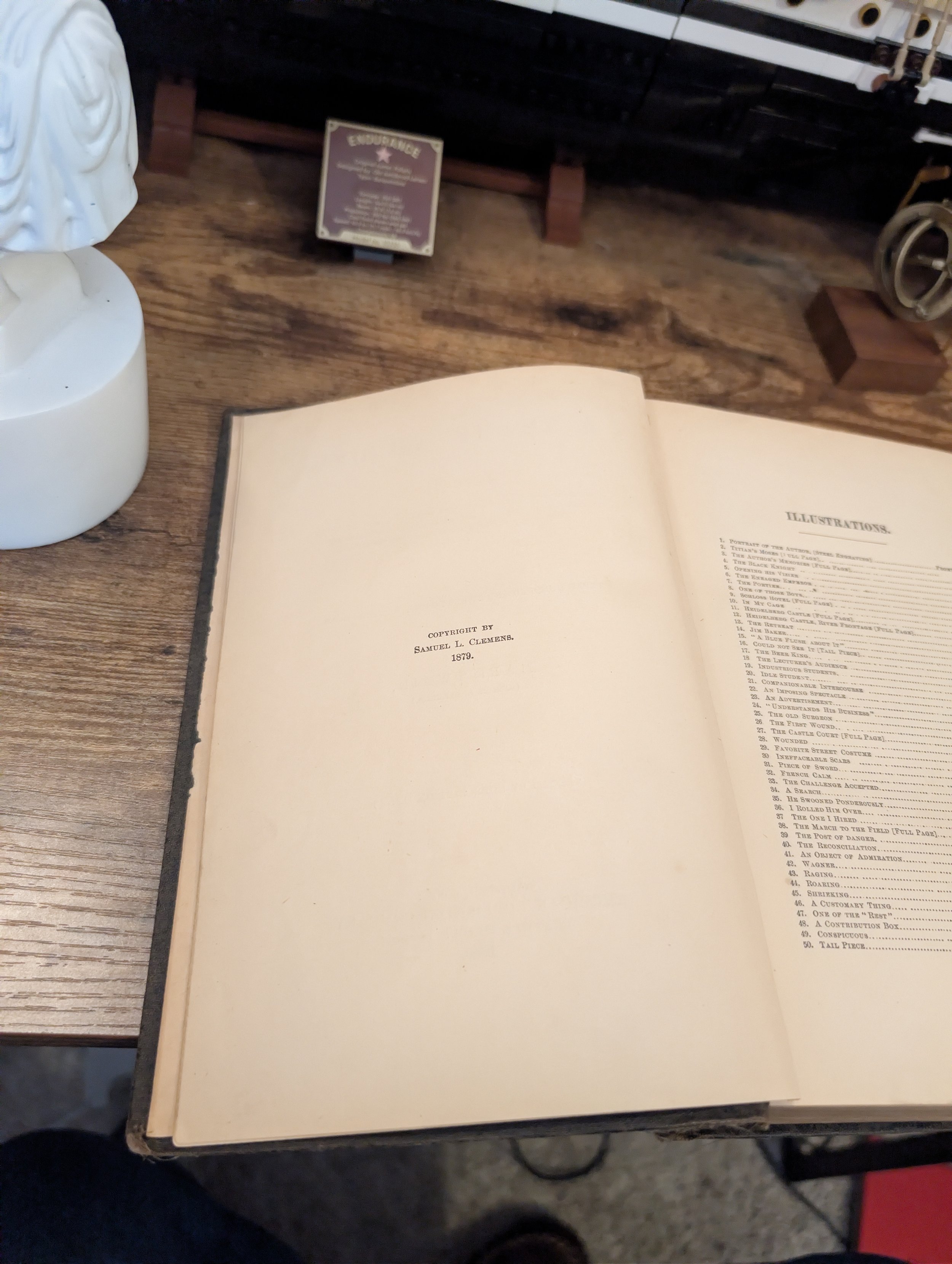
The 1889 Webster first edition is the "holy grail" for collectors of Twain’s later fiction. This copy is a particularly interesting specimen due to the presence of bookworm tracks—a feature that, for many "Offbeat Oddities" enthusiasts, adds a layer of organic history to the volume. Despite the structural fatigue and biological character, it remains a technically significant first state of a high-spot title. It is an ideal acquisition for a collector looking for an affordable, authentic representative of Twain's foray into time-travel and social polemic, provided they value the "curiosity" of its physical journey. The front board reads "A Yankee in King Arthur's Court" — the title as it appears on the cover of the first edition. The full title "A Connecticut Yankee in King Arthur's Court" appears on the title page. This discrepancy is a known and documented feature of the 1889 Webster first edition.
Published in 1889, Mark Twain’s A Connecticut Yankee in King Arthur’s Court is a foundational work of speculative fiction and one of the most sophisticated social satires in the American canon. The narrative follows Hank Morgan, a pragmatic 19th-century factory foreman who, after a blow to the head, is transported to 6th-century England. By introducing industrial technology and democratic ideals to Camelot, Twain explores the clash between the Enlightenment and the "Dark Ages." While the novel begins with high-stakes comedy and historical parody, it ultimately transforms into a dark, prophetic critique of modern warfare and the moral complexities of imposed "progress."
Edition: First Edition, Later State (1889).
Publisher: Charles L. Webster and Company, New York.
Binding: Original publisher's green cloth with elaborate gilt and black decorative stamping. The book is in Fair condition.
Condition Points: The boards show typical bumping to the corners and light shelf wear. The binding is a bit loose in places.
Special Note: This copy features authentic bookworm damage. While much of this is confined to the margins outside the text block, the final few pages show more significant incursion.
Provenance: An early American printing from Twain's own short-lived publishing house, maintaining the original illustrative charm of the late 19th century.
The 1889 Webster first edition is the "holy grail" for collectors of Twain’s later fiction. This copy is a particularly interesting specimen due to the presence of bookworm tracks—a feature that, for many "Offbeat Oddities" enthusiasts, adds a layer of organic history to the volume. Despite the structural fatigue and biological character, it remains a technically significant first state of a high-spot title. It is an ideal acquisition for a collector looking for an affordable, authentic representative of Twain's foray into time-travel and social polemic, provided they value the "curiosity" of its physical journey. The front board reads "A Yankee in King Arthur's Court" — the title as it appears on the cover of the first edition. The full title "A Connecticut Yankee in King Arthur's Court" appears on the title page. This discrepancy is a known and documented feature of the 1889 Webster first edition.