Story & Significance
The Arkham House first of Slan is the only edition that preserves van Vogt's original text. When Simon and Schuster picked the novel up in 1951, they printed a revised version, so the 1946 Arkham setting is the one point of textual difference a collector actually has to care about here, not just an early printing versus a later one. It's also a slightly unusual title for Arkham House to have published at all. August Derleth's press built its reputation on weird fiction and Lovecraft, and Arkham's science fiction output in the 1940s was the exception rather than the rule, which gives this particular book a foot in two different collecting categories, Golden Age SF on one side and Arkham House press history on the other.
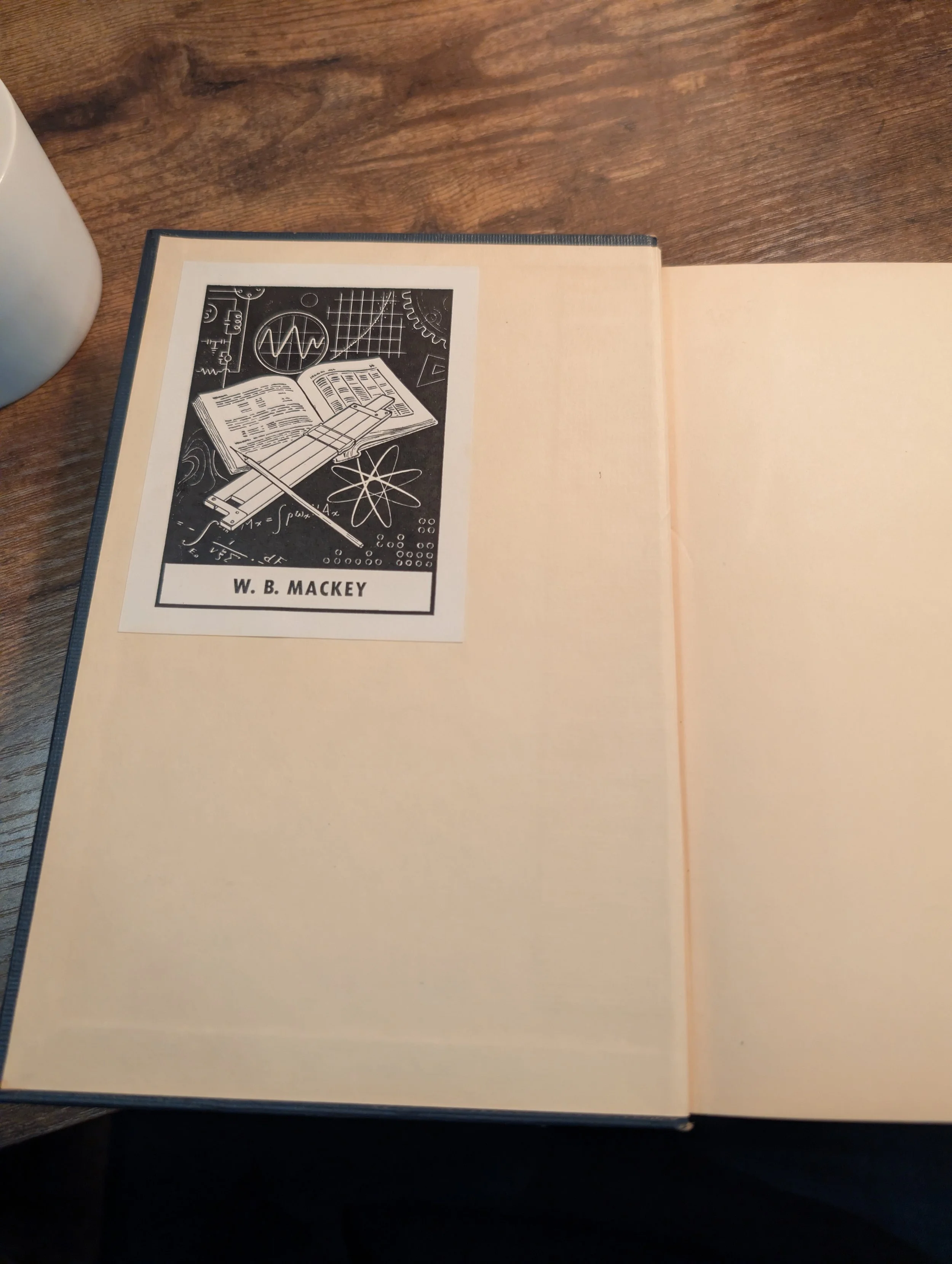
This copy carries an added layer of association interest: a previous owner's signature and markings on the front free endpaper, identified as Raymond F. Biro, discussed further below.
Physical Description
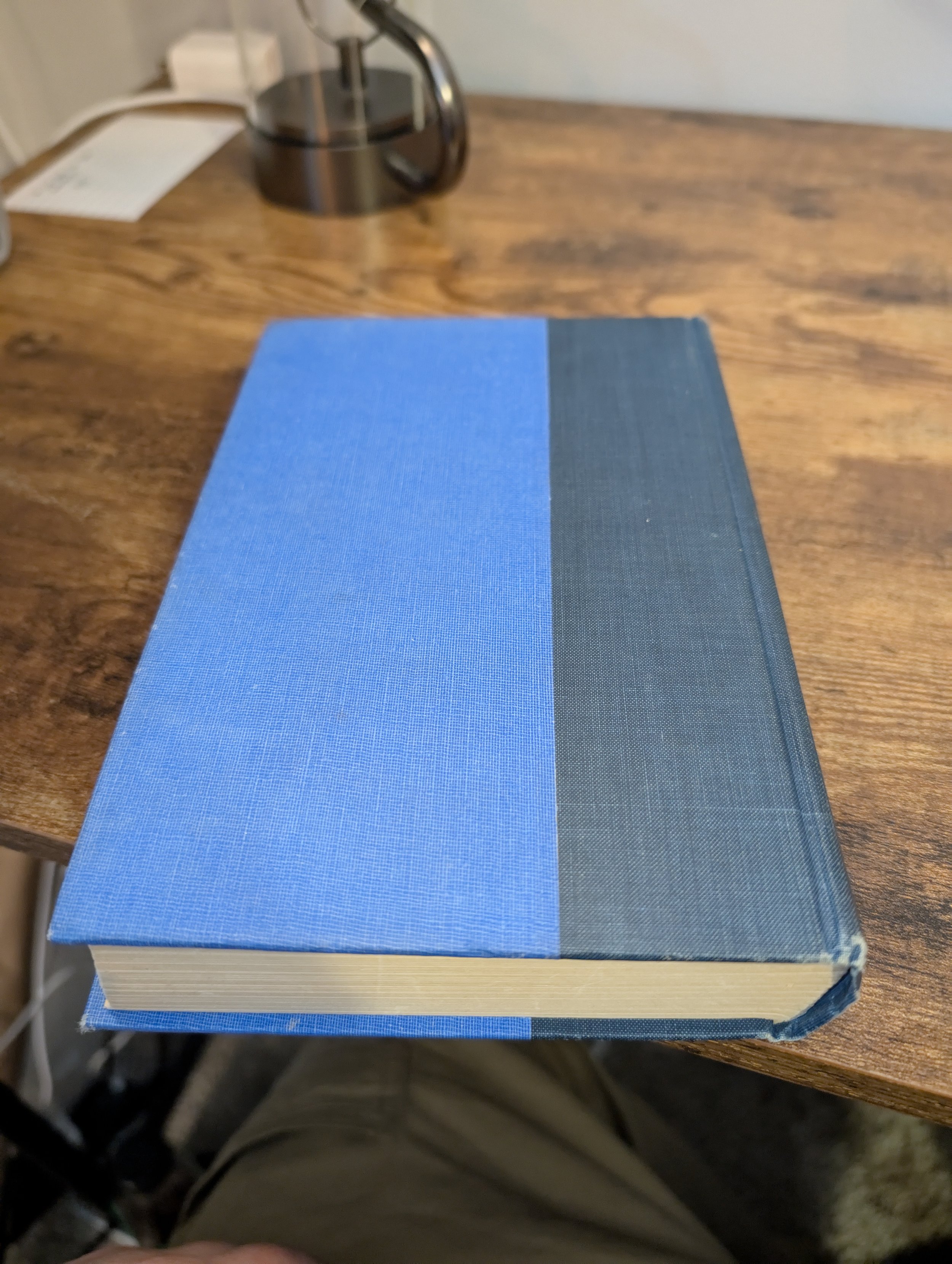
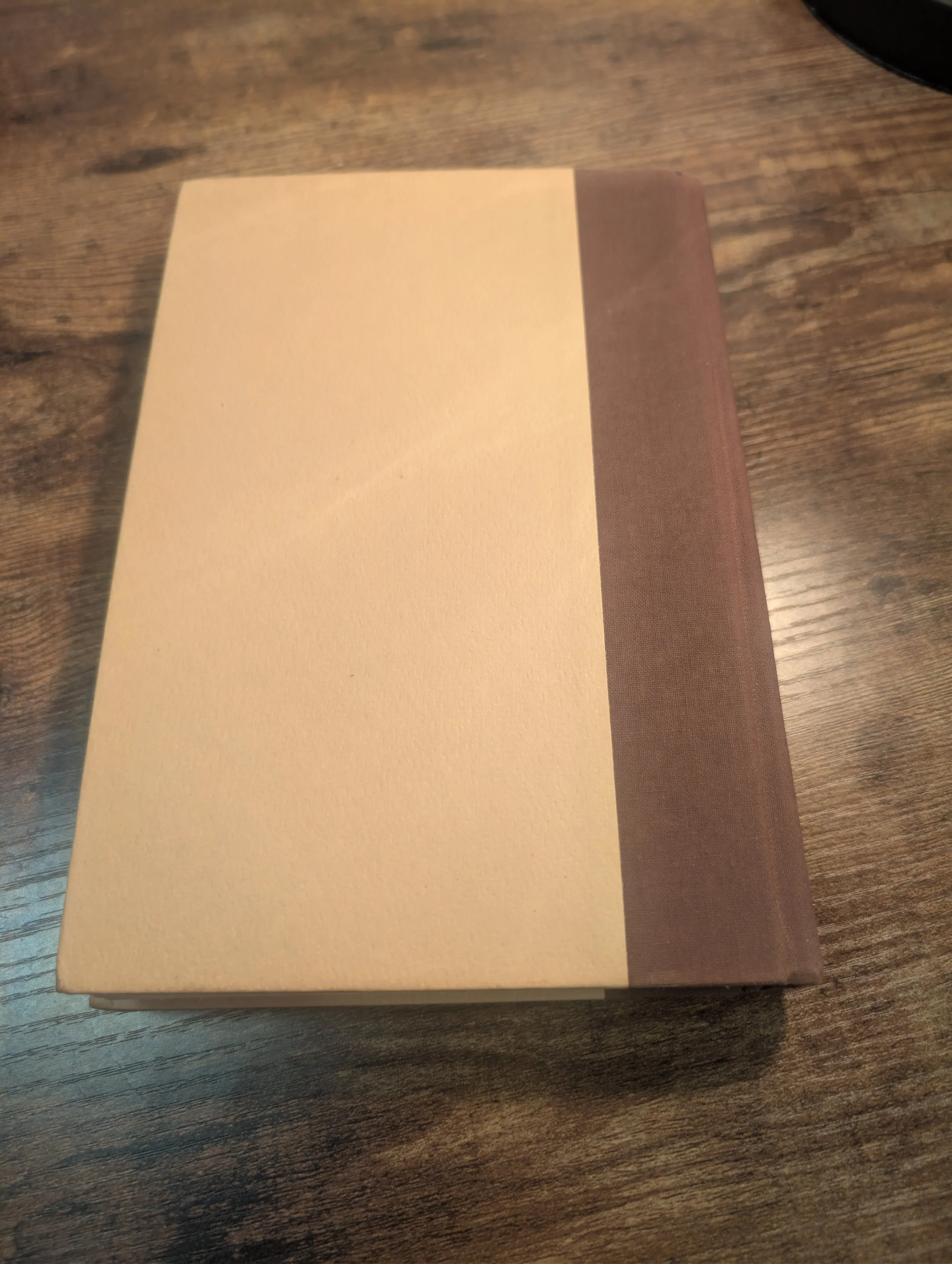
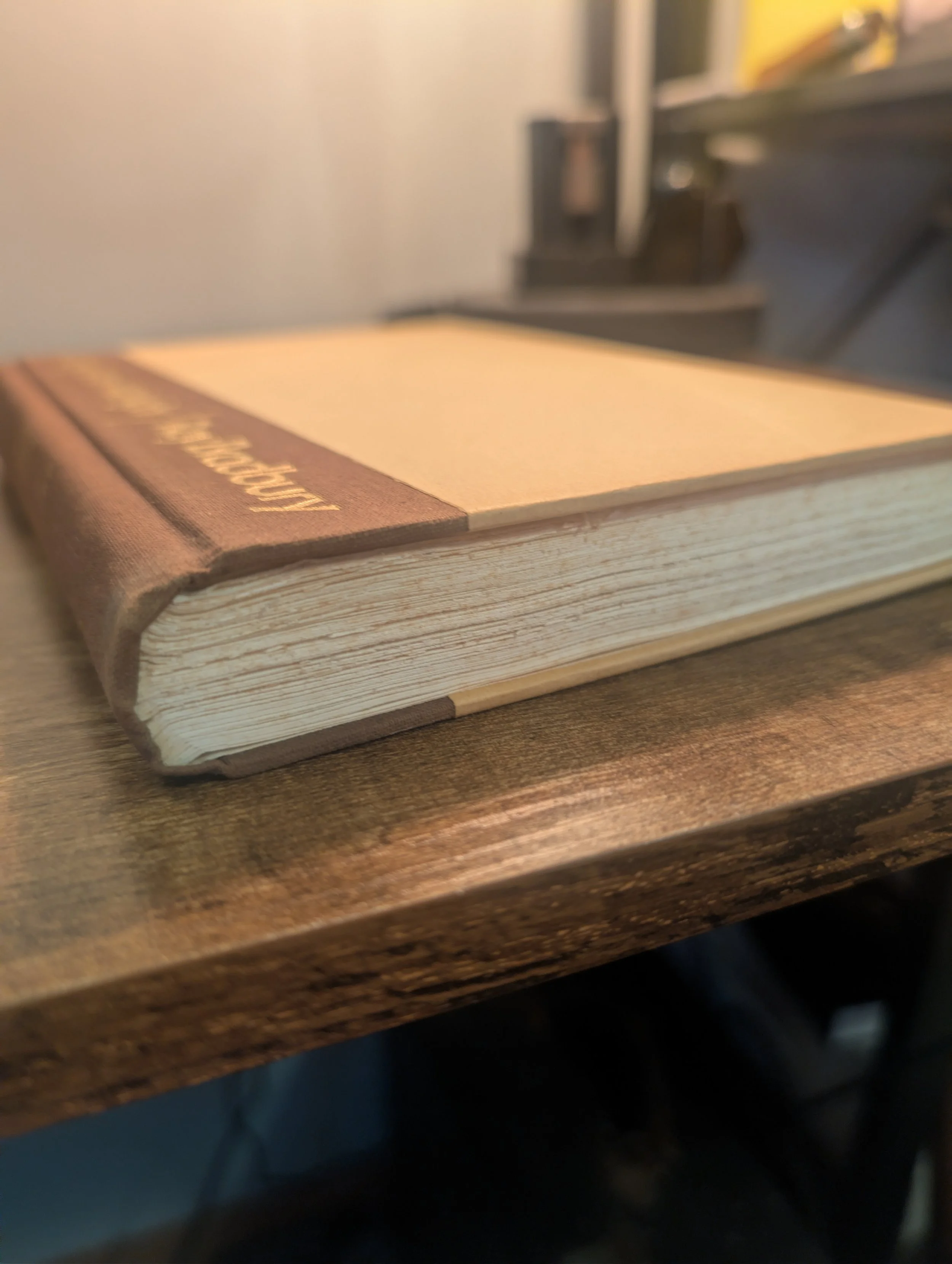
This is a first edition, Sauk City: Arkham House, 1946, condition Near Fine. The book is bound in black boards. Binding tight and square, corners unbumped. The front free endpaper carries a previous owner's signature and additional markings, identified as belonging to Raymond F. Biro; the rest of the text block is unaffected by this. The text block does show verly light toning.
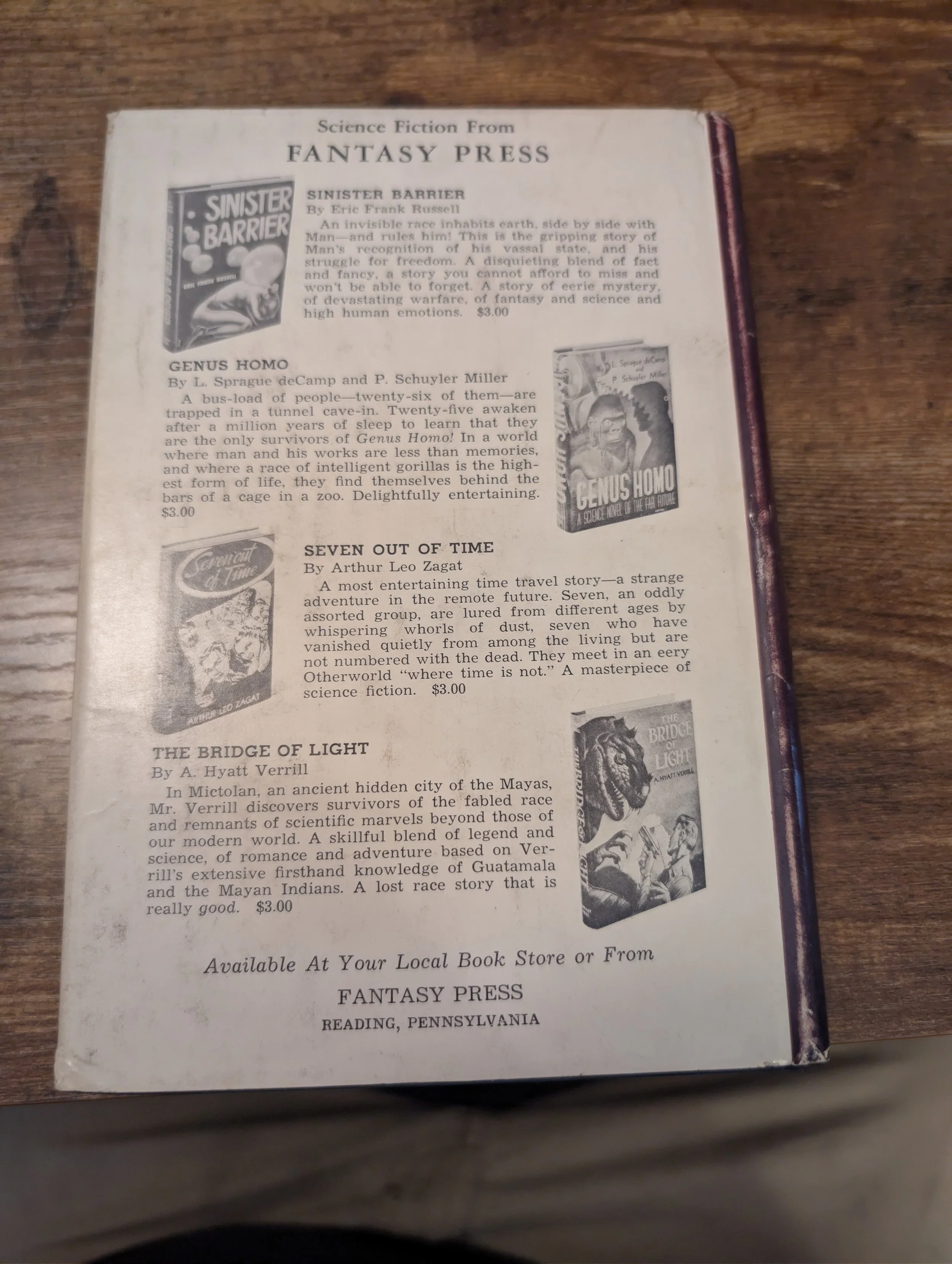
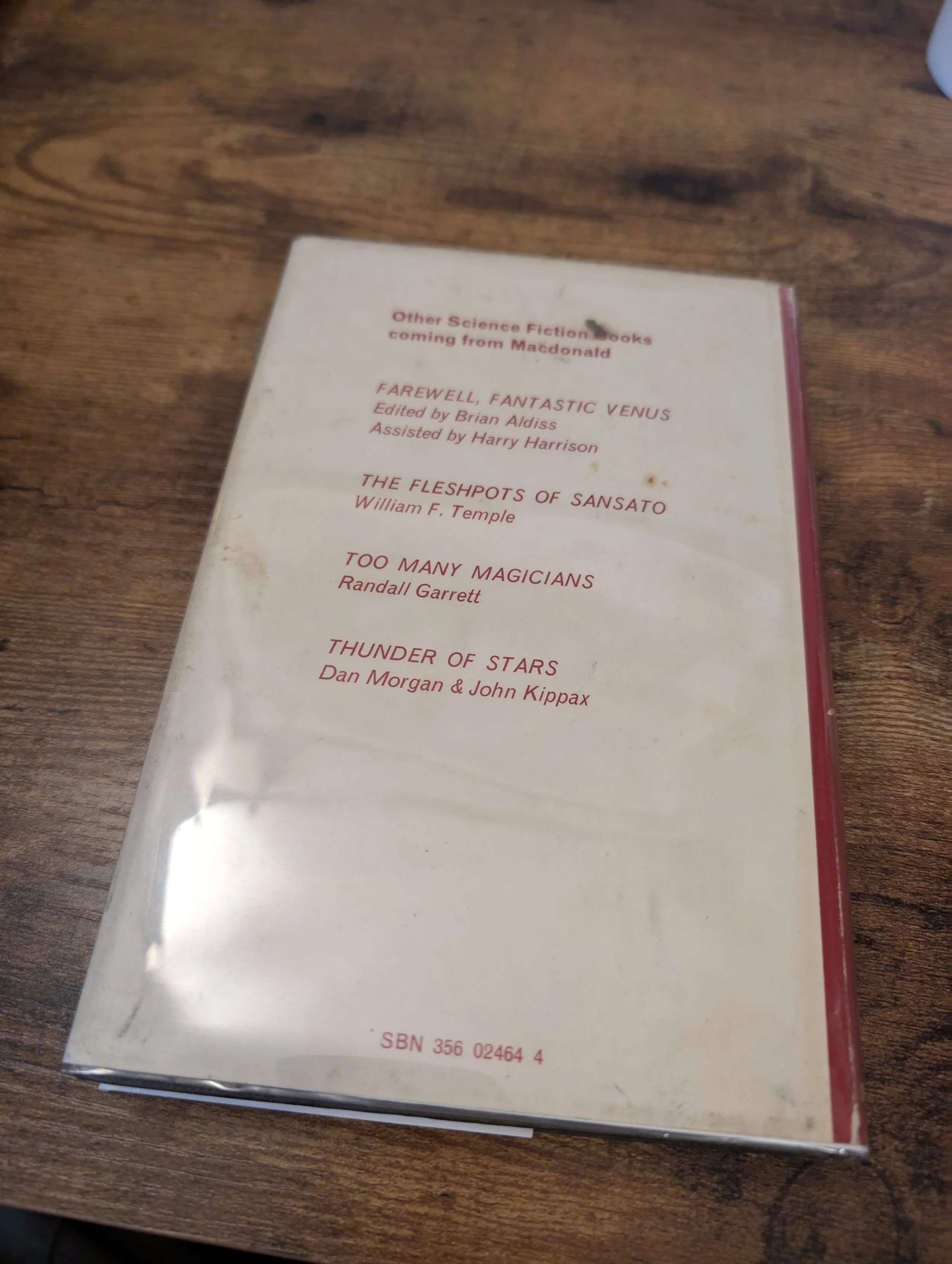
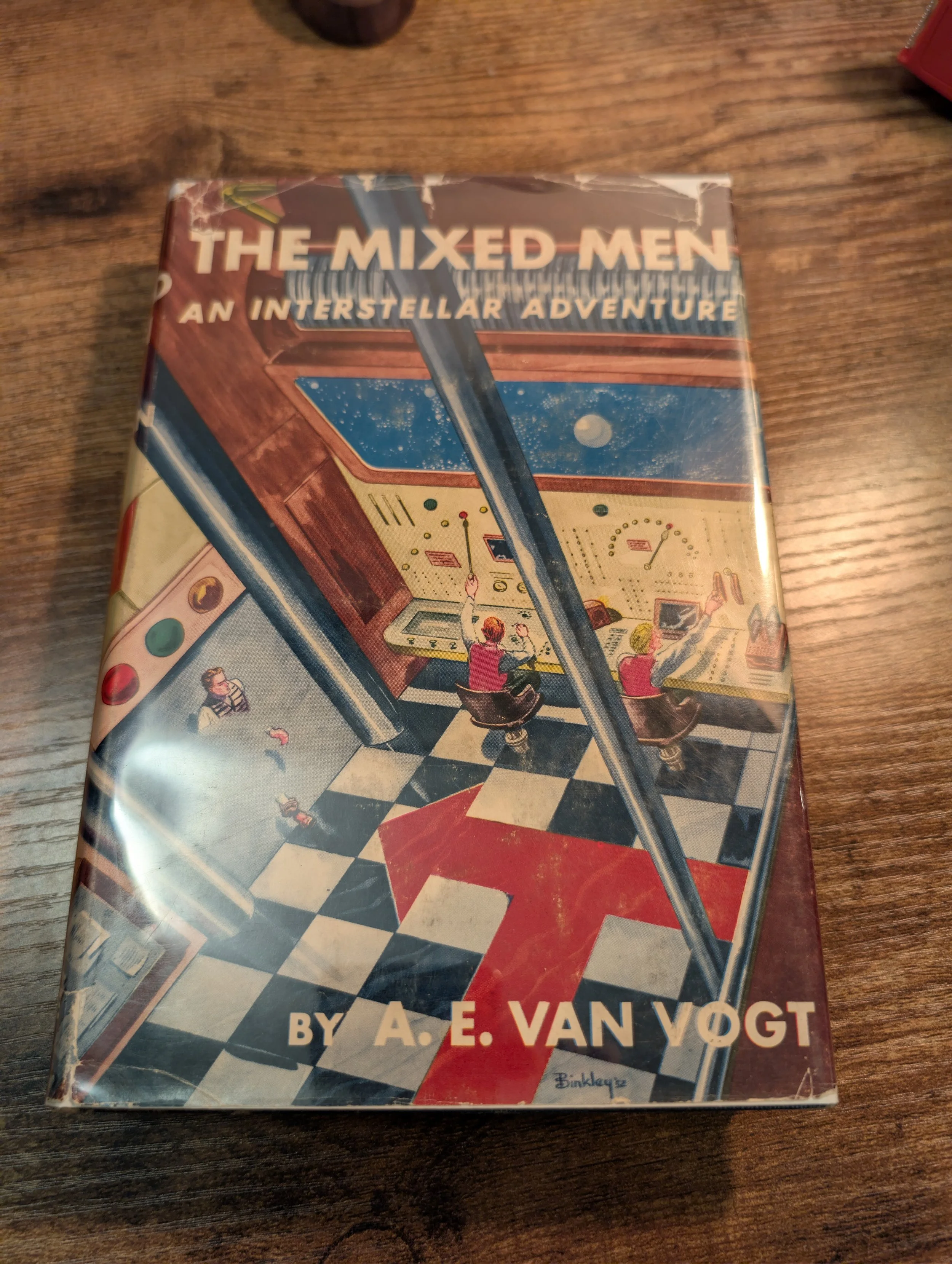
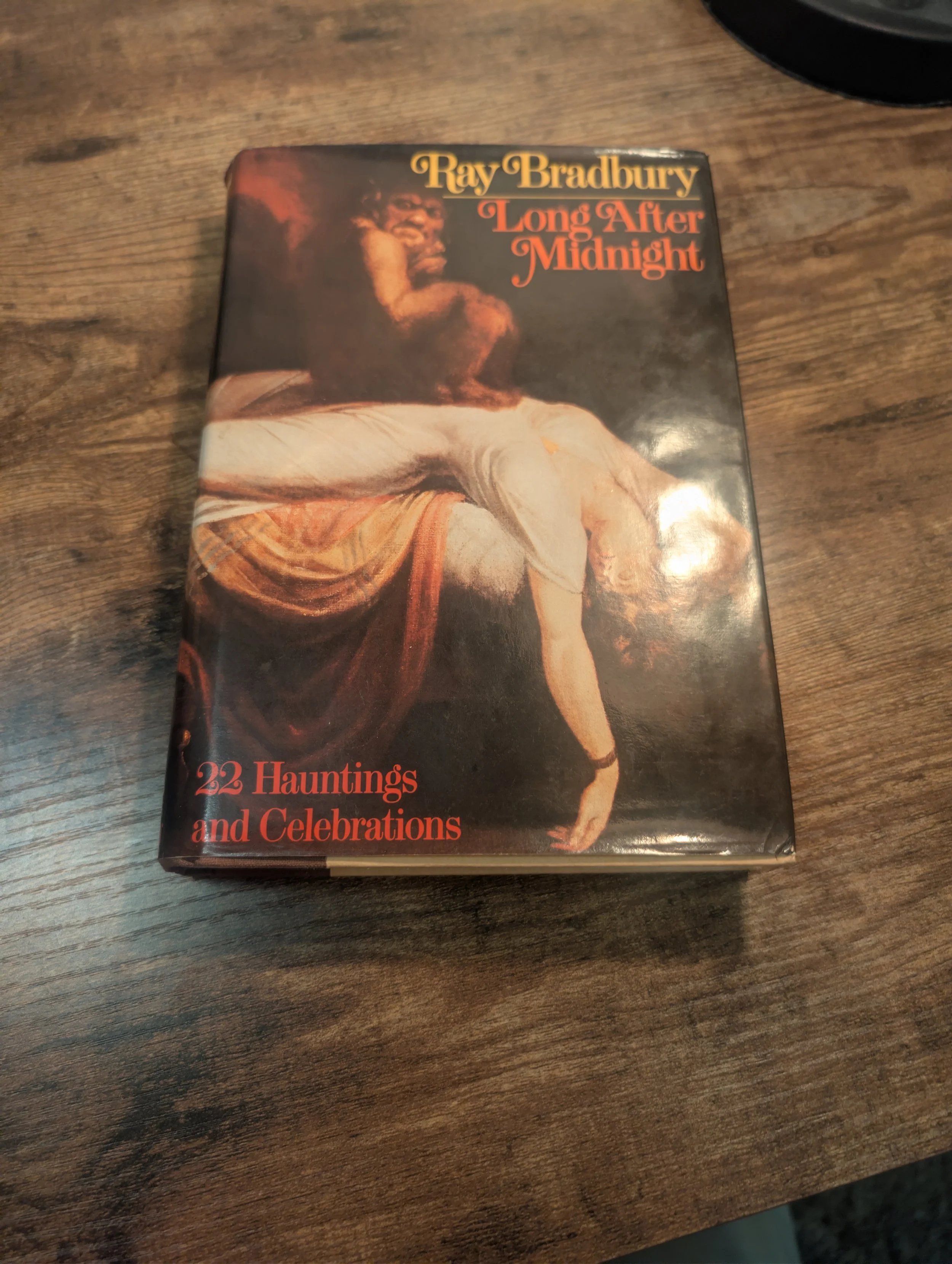
The dust jacket, condition Very Good, shows light chips and tears at the extremities along with mild toning to both flaps.
Collector's Note
A signed or inscribed front free endpaper always splits buyers into two camps, and this copy is a good example of why disclosure matters more than a blanket condition grade. Raymond F. Biro's signature and markings are clearly visible on the front free end paper and nowhere else in the text block, so a buyer who collects association copies gets a documented, legible signature to research, while a buyer who wants a clean, unmarked copy knows exactly what they're passing on before they buy. Either way, they're not guessing.
Given that this is the only edition to preserve van Vogt's unrevised 1946 text, a Near Fine book in a jacket with only light chipping and toning is a solid buy for a reading-and-collecting copy, even with the ffep signature. Collectors chasing a pristine, unmarked example for investment purposes will want to hold out for one, but for most van Vogt or Golden Age collectors this is a well-priced way to own the original text in original boards.
Story & Significance
The Arkham House first of Slan is the only edition that preserves van Vogt's original text. When Simon and Schuster picked the novel up in 1951, they printed a revised version, so the 1946 Arkham setting is the one point of textual difference a collector actually has to care about here, not just an early printing versus a later one. It's also a slightly unusual title for Arkham House to have published at all. August Derleth's press built its reputation on weird fiction and Lovecraft, and Arkham's science fiction output in the 1940s was the exception rather than the rule, which gives this particular book a foot in two different collecting categories, Golden Age SF on one side and Arkham House press history on the other.
This copy carries an added layer of association interest: a previous owner's signature and markings on the front free endpaper, identified as Raymond F. Biro, discussed further below.
Physical Description
This is a first edition, Sauk City: Arkham House, 1946, condition Near Fine. The book is bound in black boards. Binding tight and square, corners unbumped. The front free endpaper carries a previous owner's signature and additional markings, identified as belonging to Raymond F. Biro; the rest of the text block is unaffected by this. The text block does show verly light toning.
The dust jacket, condition Very Good, shows light chips and tears at the extremities along with mild toning to both flaps.
Collector's Note
A signed or inscribed front free endpaper always splits buyers into two camps, and this copy is a good example of why disclosure matters more than a blanket condition grade. Raymond F. Biro's signature and markings are clearly visible on the front free end paper and nowhere else in the text block, so a buyer who collects association copies gets a documented, legible signature to research, while a buyer who wants a clean, unmarked copy knows exactly what they're passing on before they buy. Either way, they're not guessing.
Given that this is the only edition to preserve van Vogt's unrevised 1946 text, a Near Fine book in a jacket with only light chipping and toning is a solid buy for a reading-and-collecting copy, even with the ffep signature. Collectors chasing a pristine, unmarked example for investment purposes will want to hold out for one, but for most van Vogt or Golden Age collectors this is a well-priced way to own the original text in original boards.
 Image 1 of 10
 Image 2 of 10
 Image 3 of 10
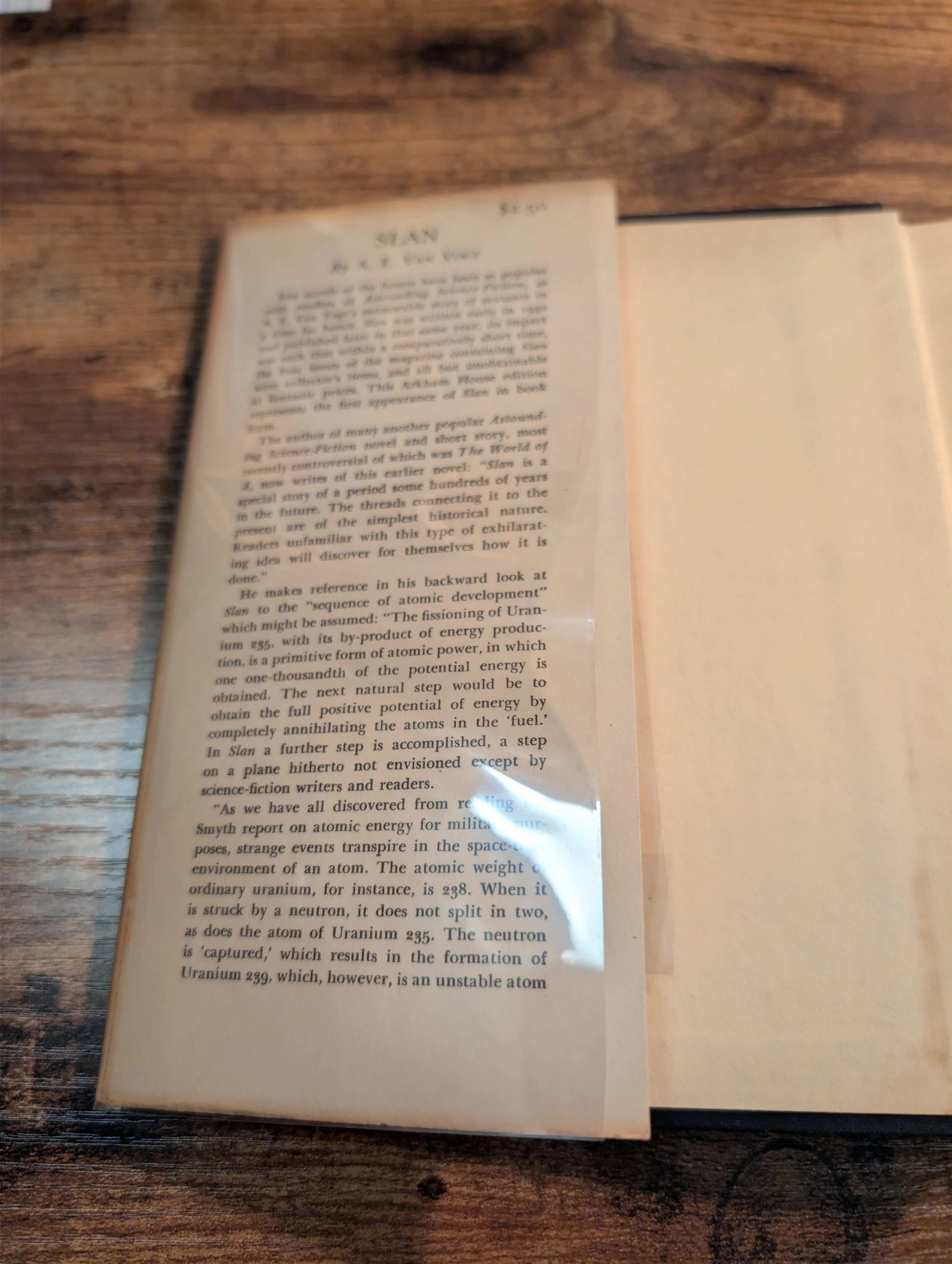 Image 4 of 10
 Image 5 of 10
 Image 6 of 10
 Image 7 of 10
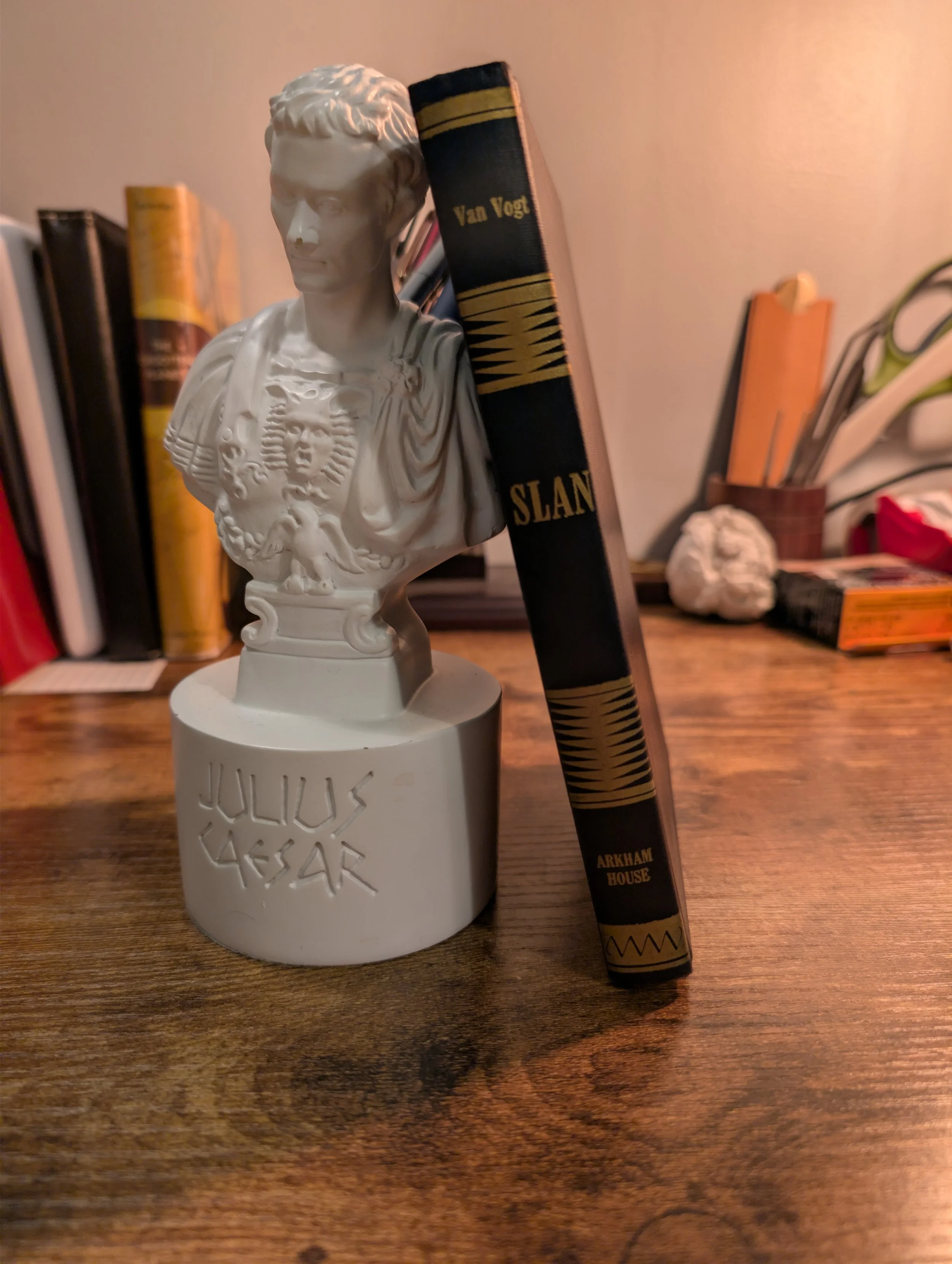 Image 8 of 10
 Image 9 of 10
 Image 10 of 10