Published by Chatto & Windus of London under its UK title, this is a later state or printing of the 1890 first UK edition of Mark Twain's A Yankee at the Court of King Arthur — known to American readers as A Connecticut Yankee in King Arthur's Court. The Chatto & Windus publisher's catalogue bound at the rear is dated September 1894, providing a useful bibliographic anchor for dating this copy within the early printing history of the UK edition.
This copy is offered as a reading copy rather than a collector's copy. Condition issues include: significant spine tilt, staining, rubbing, and corner bumping to the boards consistent with age. The internal pages are clean and intact throughout — an uncommon finding in a 19th-century Chatto & Windus volume of this weight. The hinges are firm and not splitting, which is equally uncommon and speaks to the structural integrity of the copy despite its exterior wear.
The 1894 catalogue is itself a minor point of interest — a snapshot of Victorian publishing cycles and Chatto & Windus's list at the time, worth a look for anyone interested in the period's book trade.
For a collector-grade copy of this title, contact us directly — we're always scouting. And be sure to check out our other classic literature selections.
Published by Chatto & Windus of London under its UK title, this is a later state or printing of the 1890 first UK edition of Mark Twain's A Yankee at the Court of King Arthur — known to American readers as A Connecticut Yankee in King Arthur's Court. The Chatto & Windus publisher's catalogue bound at the rear is dated September 1894, providing a useful bibliographic anchor for dating this copy within the early printing history of the UK edition.
This copy is offered as a reading copy rather than a collector's copy. Condition issues include: significant spine tilt, staining, rubbing, and corner bumping to the boards consistent with age. The internal pages are clean and intact throughout — an uncommon finding in a 19th-century Chatto & Windus volume of this weight. The hinges are firm and not splitting, which is equally uncommon and speaks to the structural integrity of the copy despite its exterior wear.
The 1894 catalogue is itself a minor point of interest — a snapshot of Victorian publishing cycles and Chatto & Windus's list at the time, worth a look for anyone interested in the period's book trade.
For a collector-grade copy of this title, contact us directly — we're always scouting. And be sure to check out our other classic literature selections.

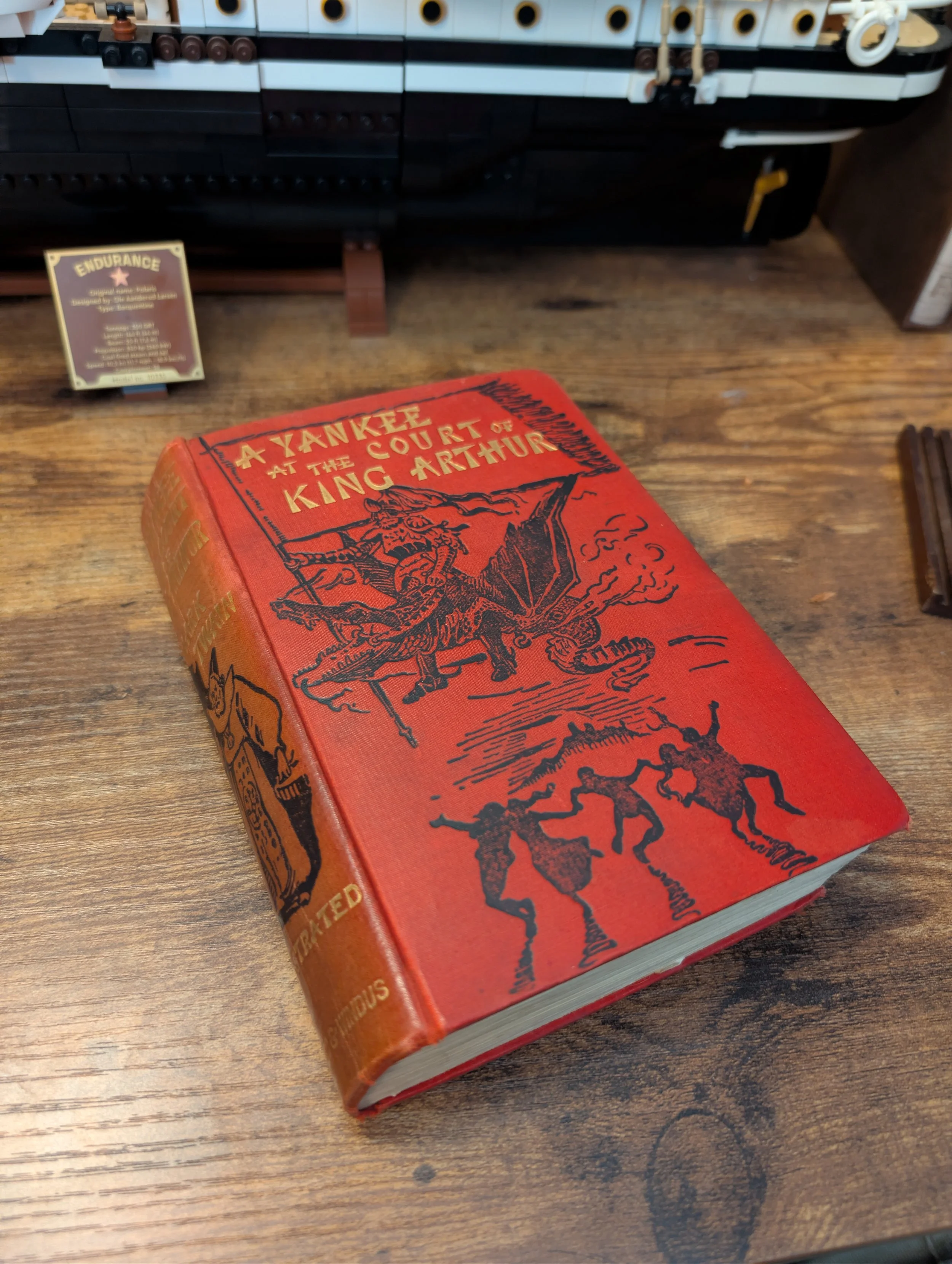 Image 1 of 7
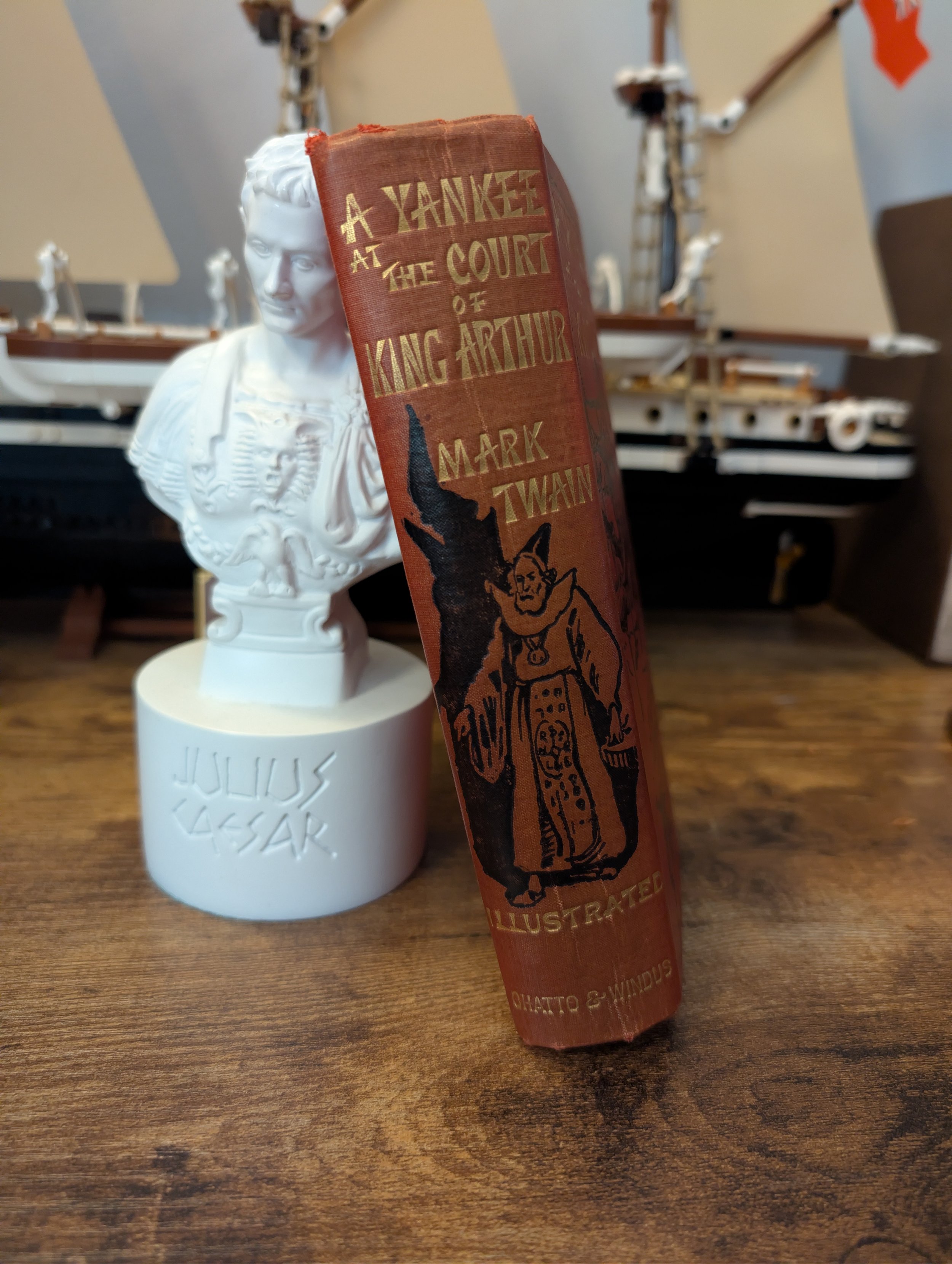 Image 2 of 7
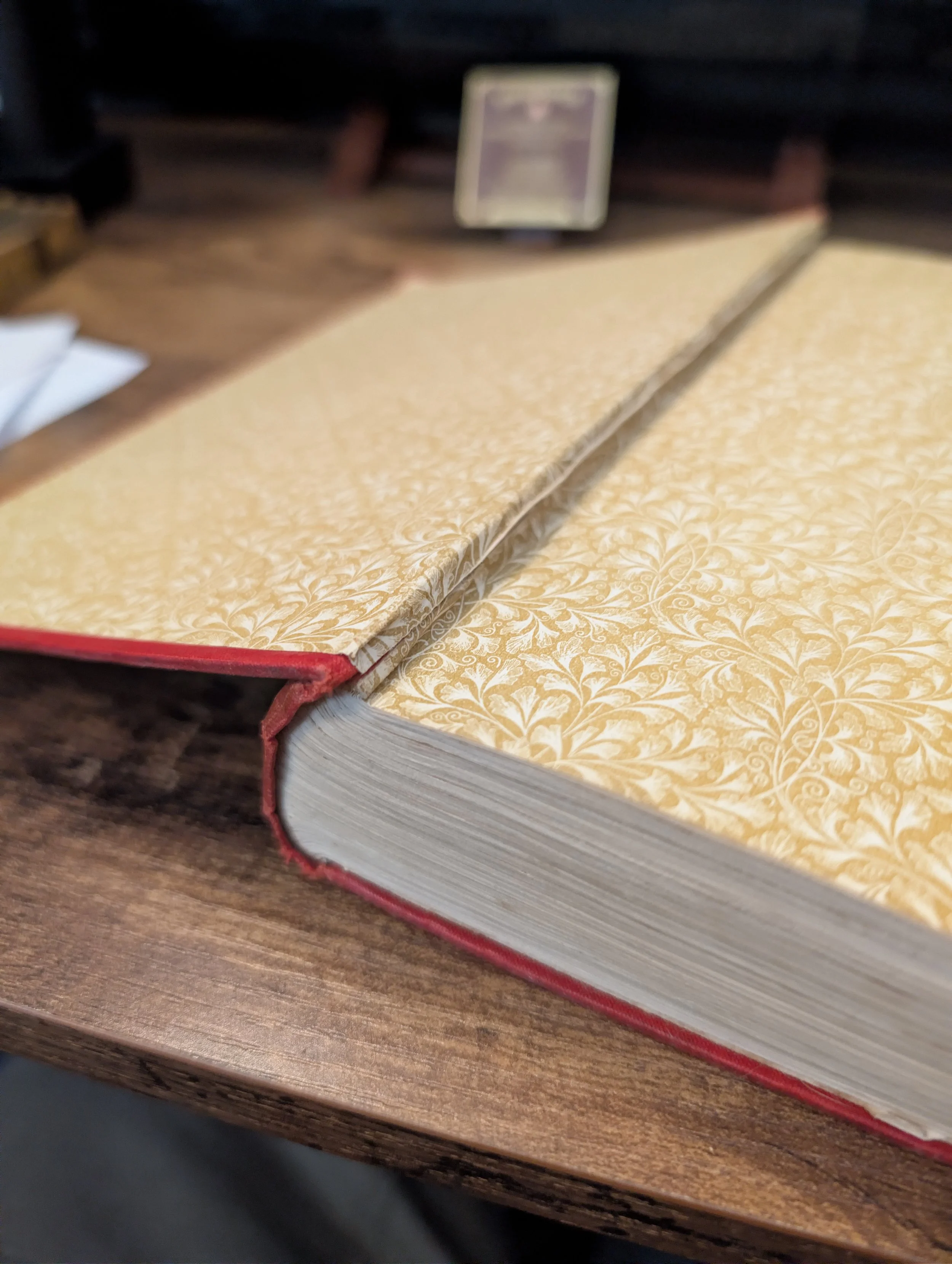 Image 3 of 7
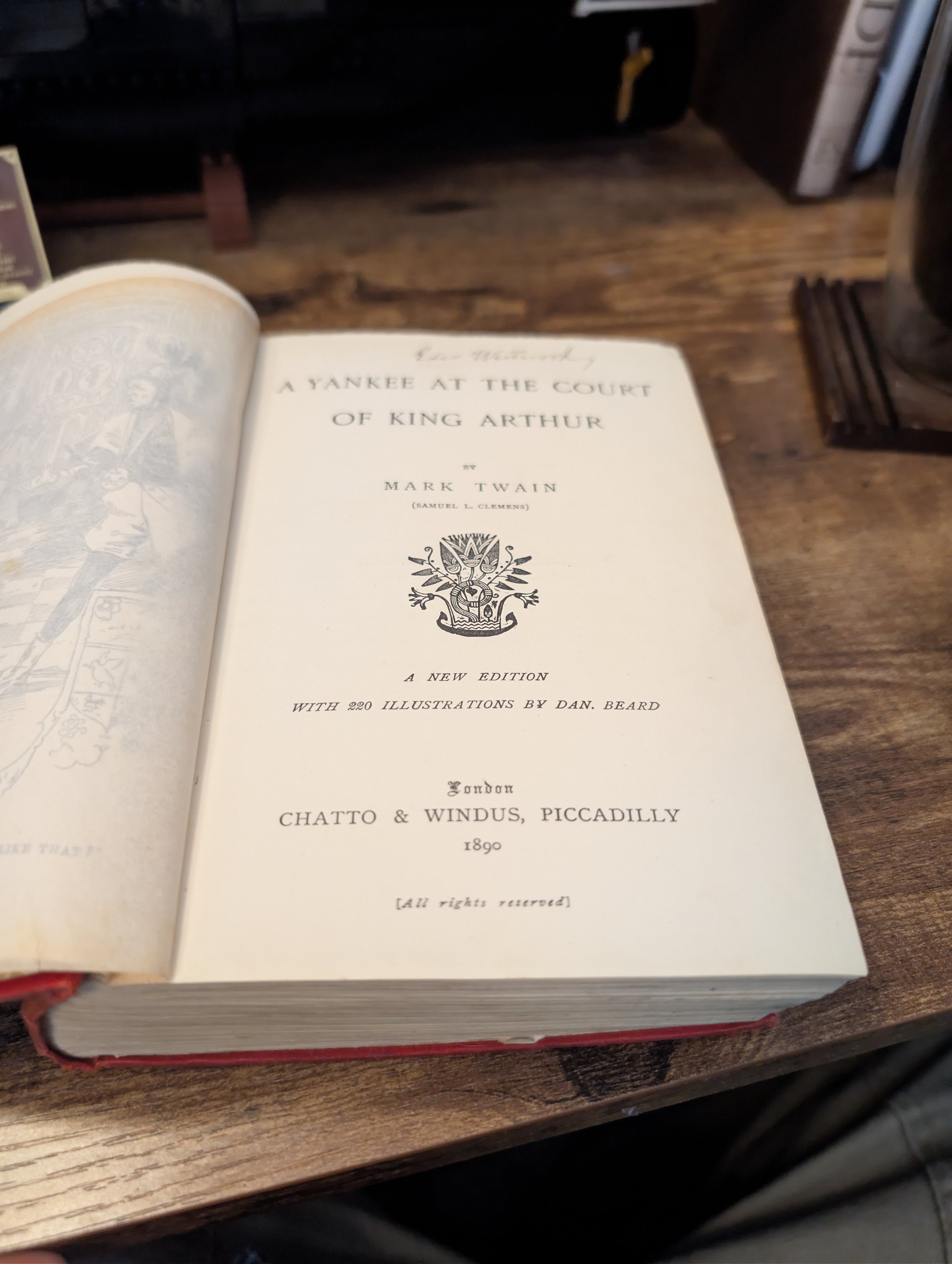 Image 4 of 7
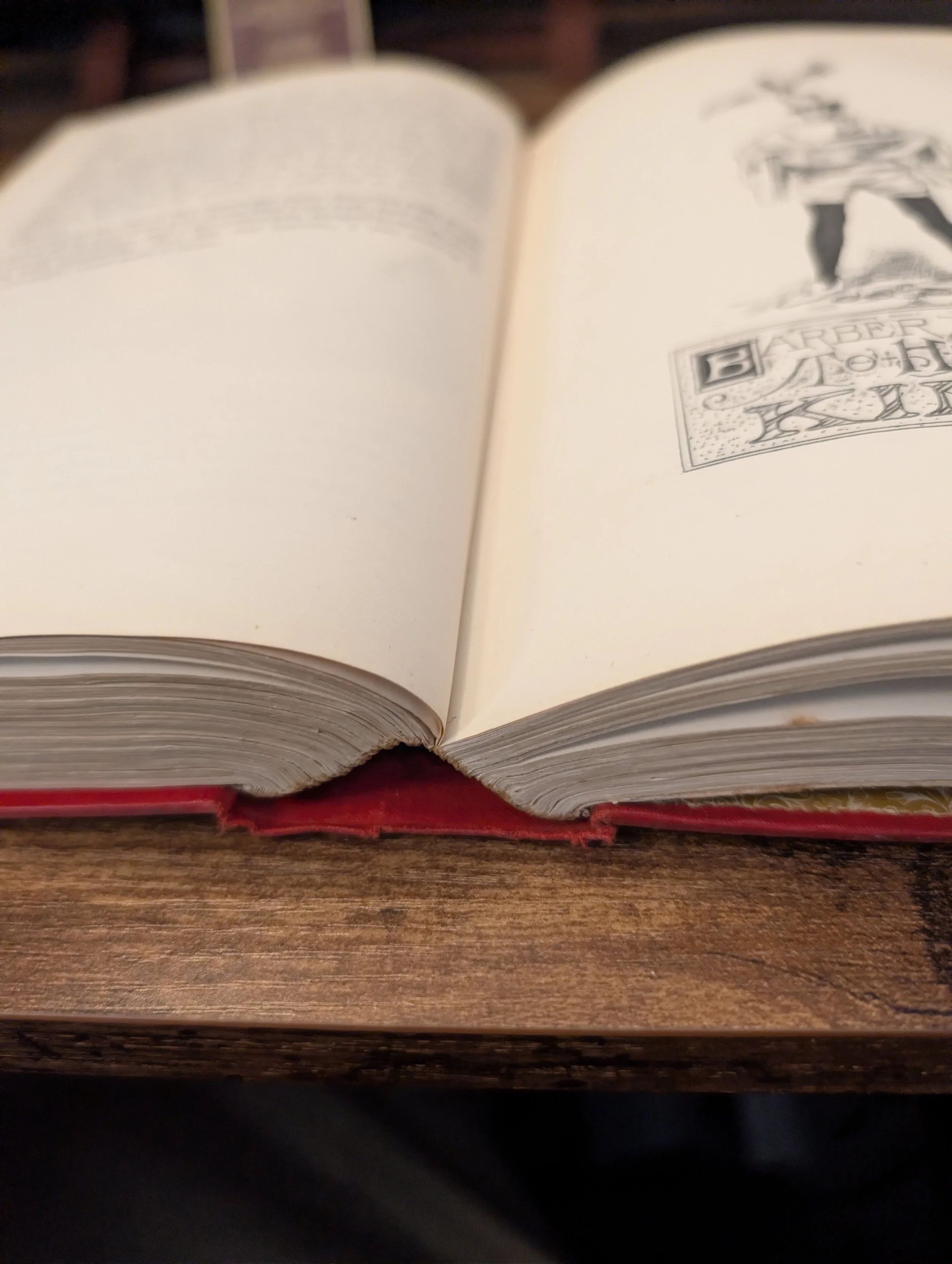 Image 5 of 7
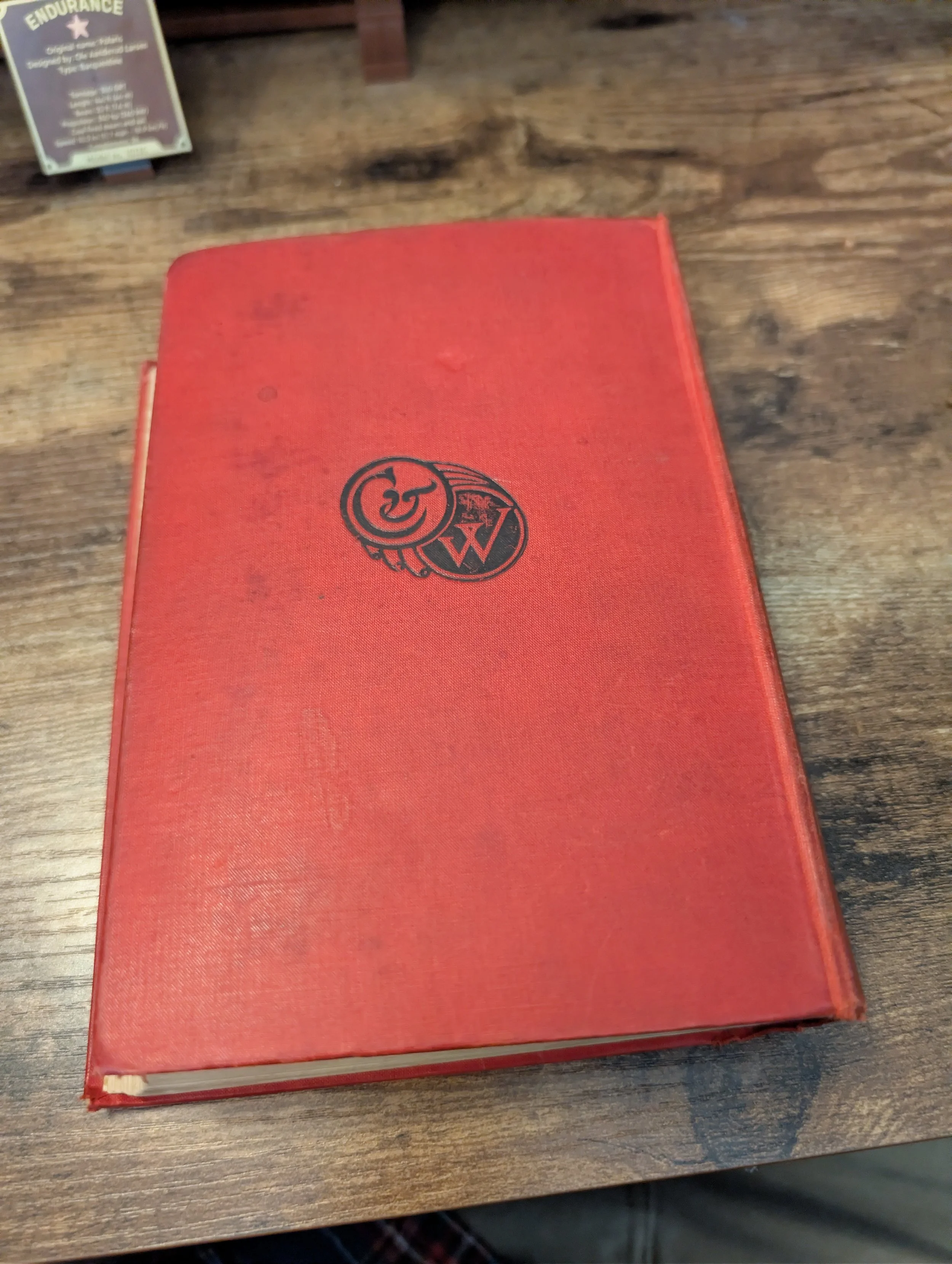 Image 6 of 7
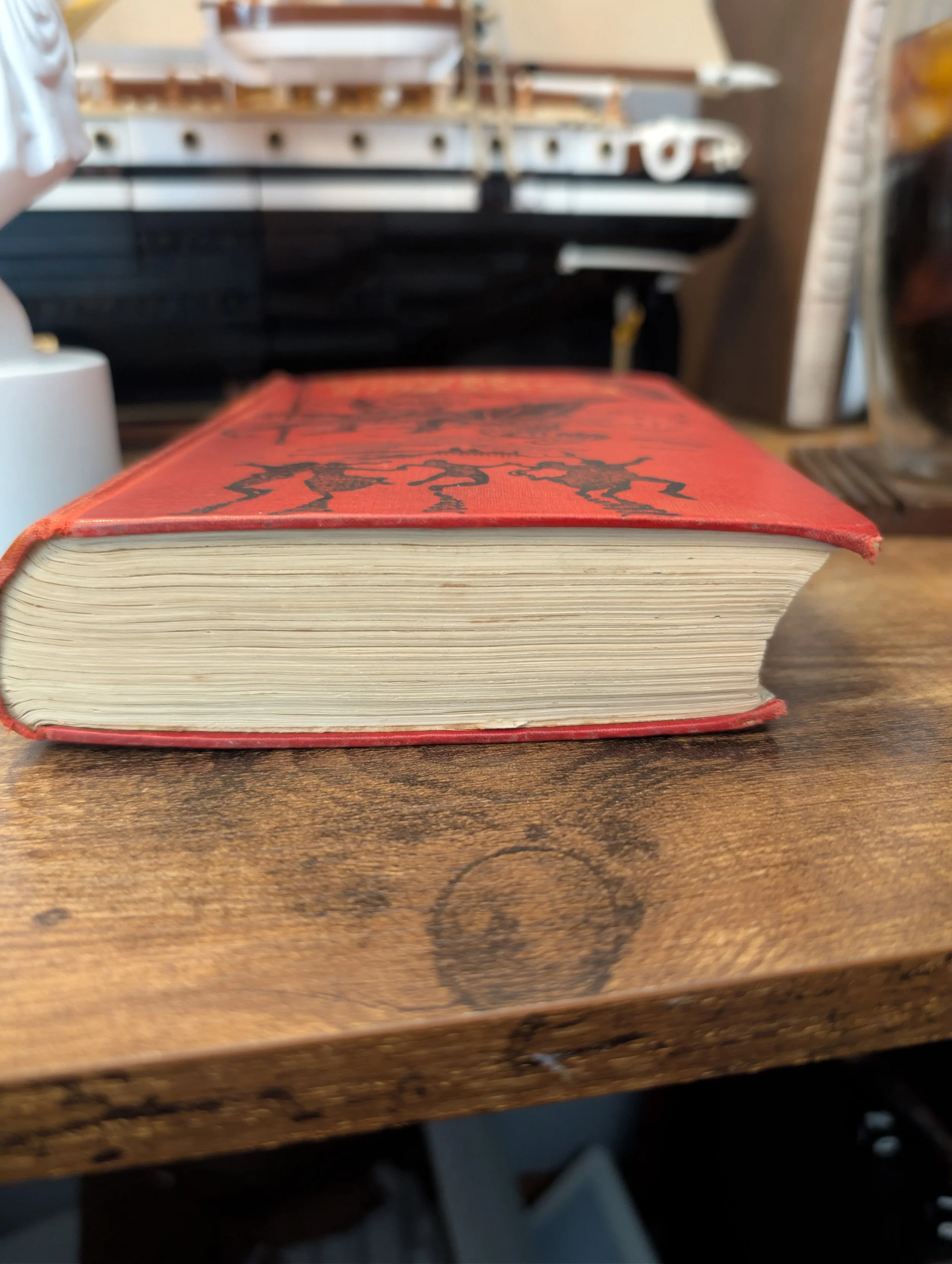 Image 7 of 7