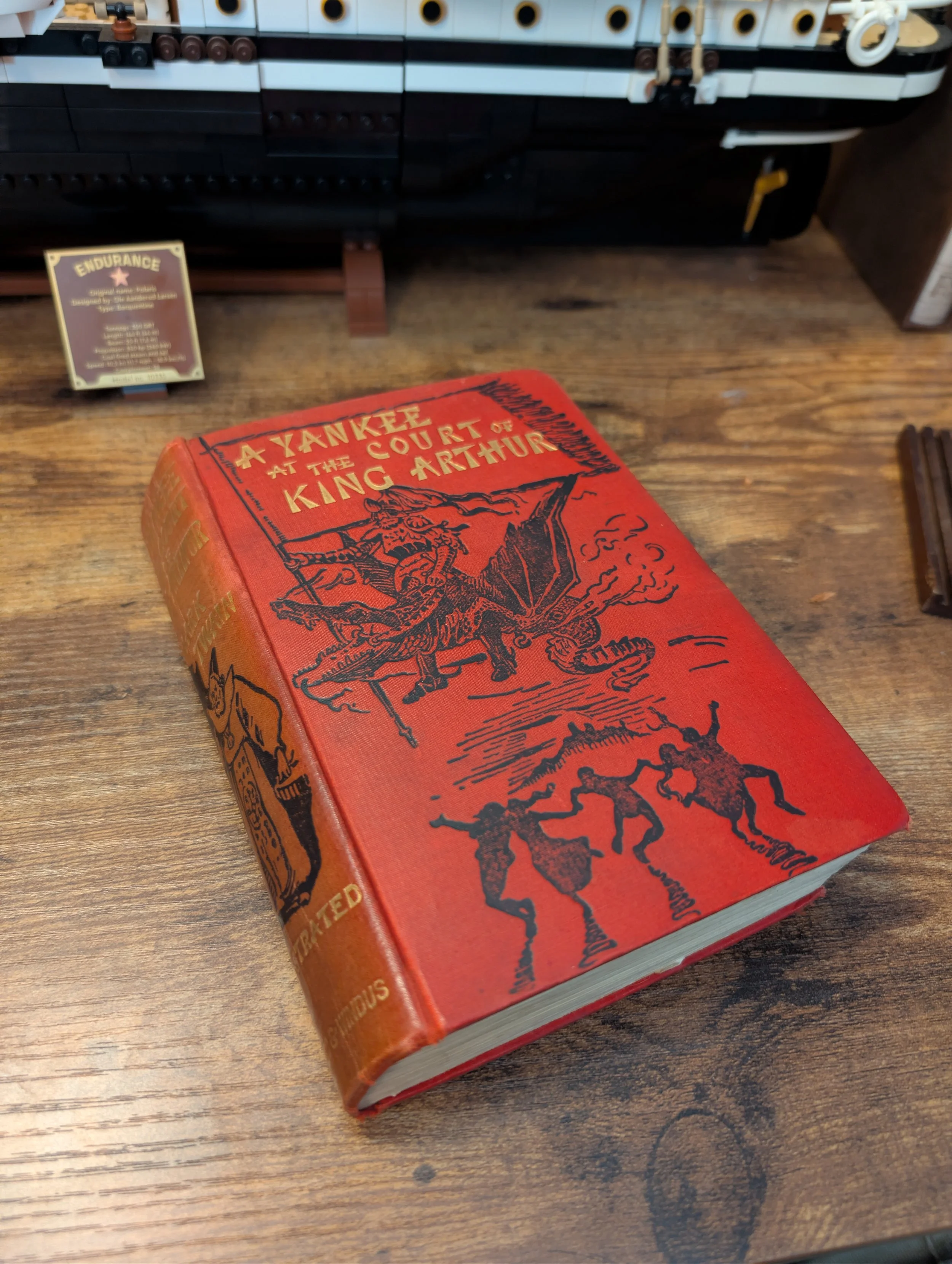
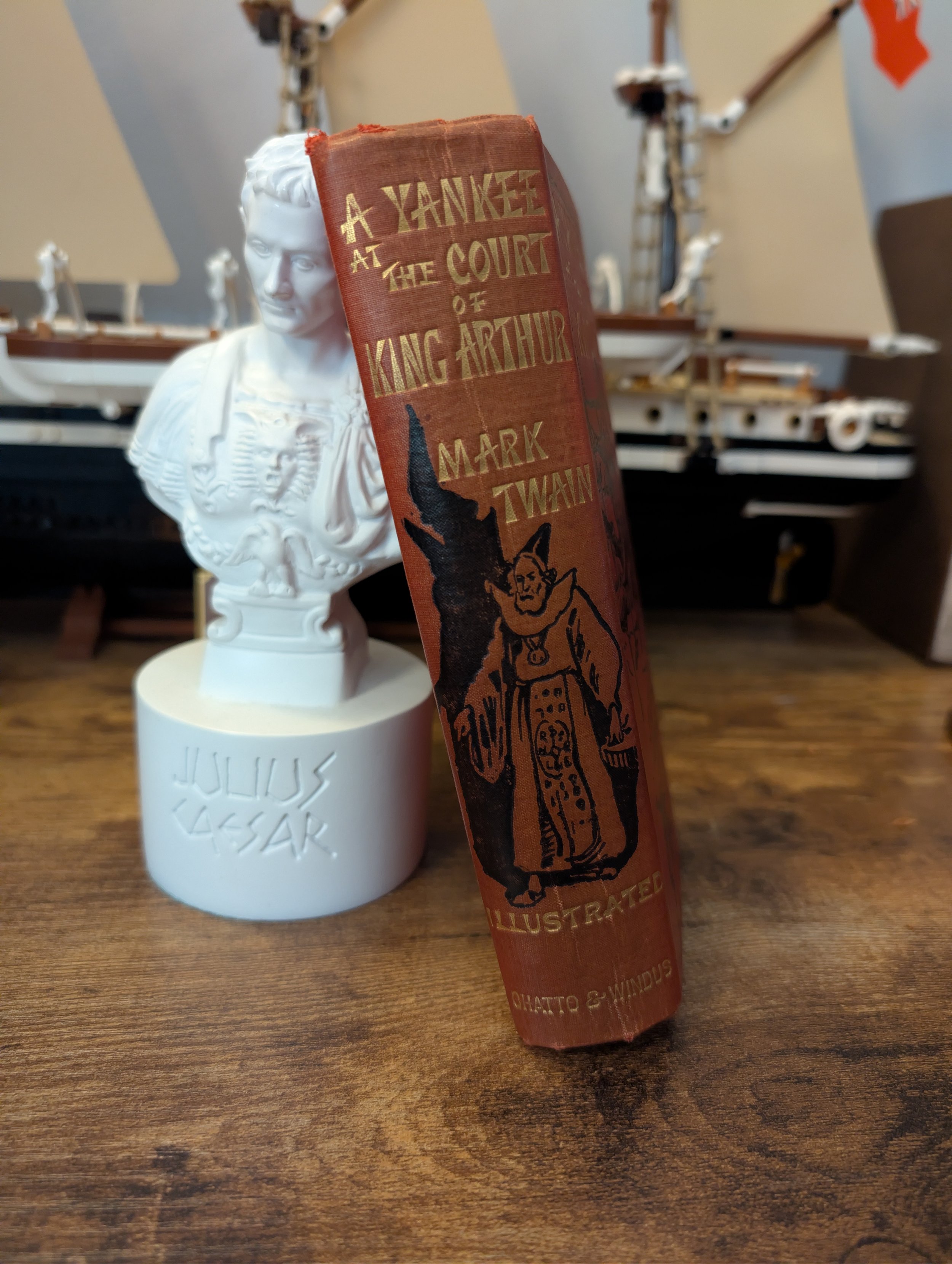
This large-format Victorian edition of Dante's Inferno features the complete suite of wood-engraved plates by Gustave Doré — the 19th century's most celebrated illustrator, whose haunting depictions of Hell remain the defining visual interpretation of Dante's poem. The plates are the reason to own this copy, and they present well despite the book's overall condition.
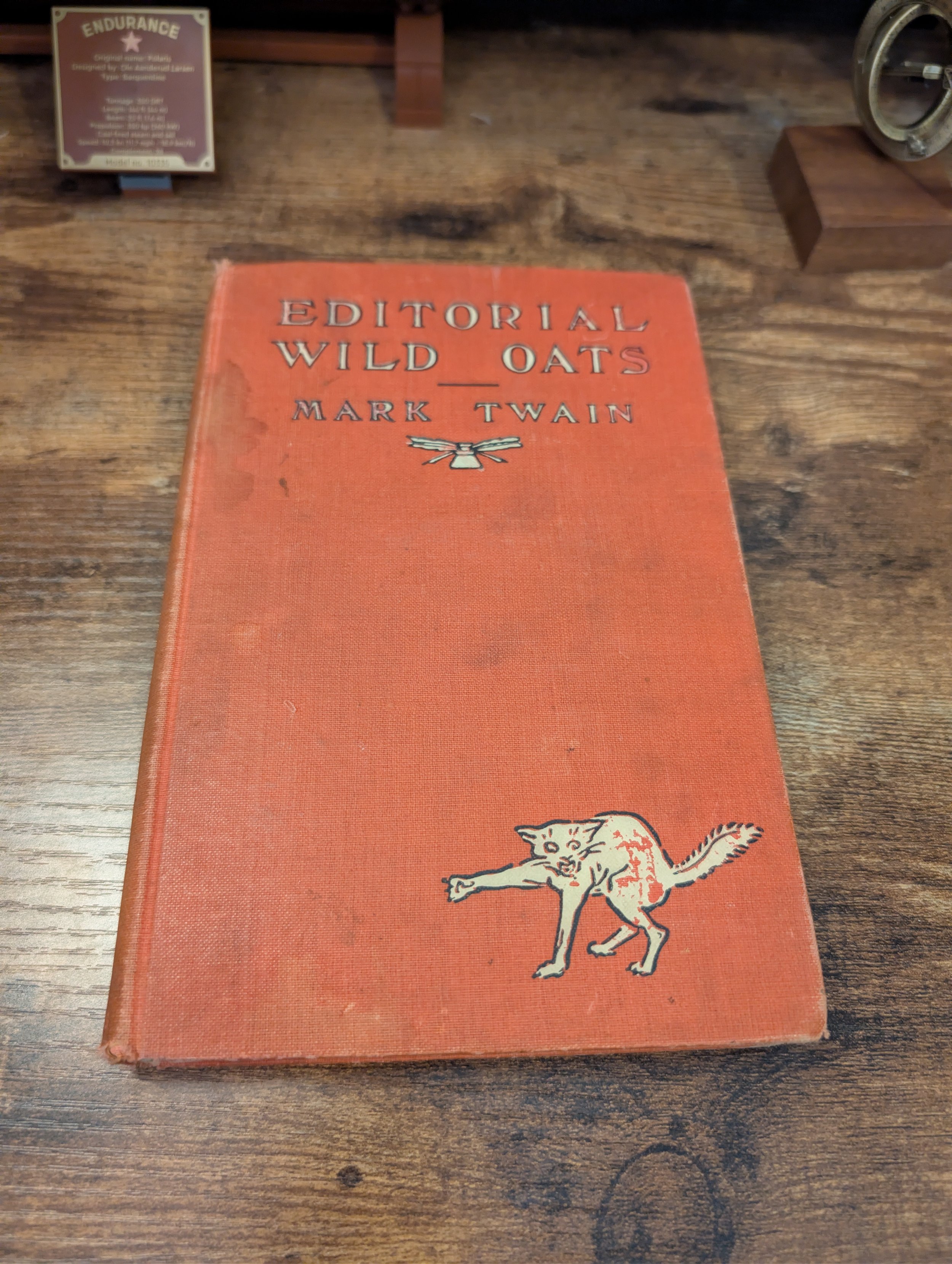
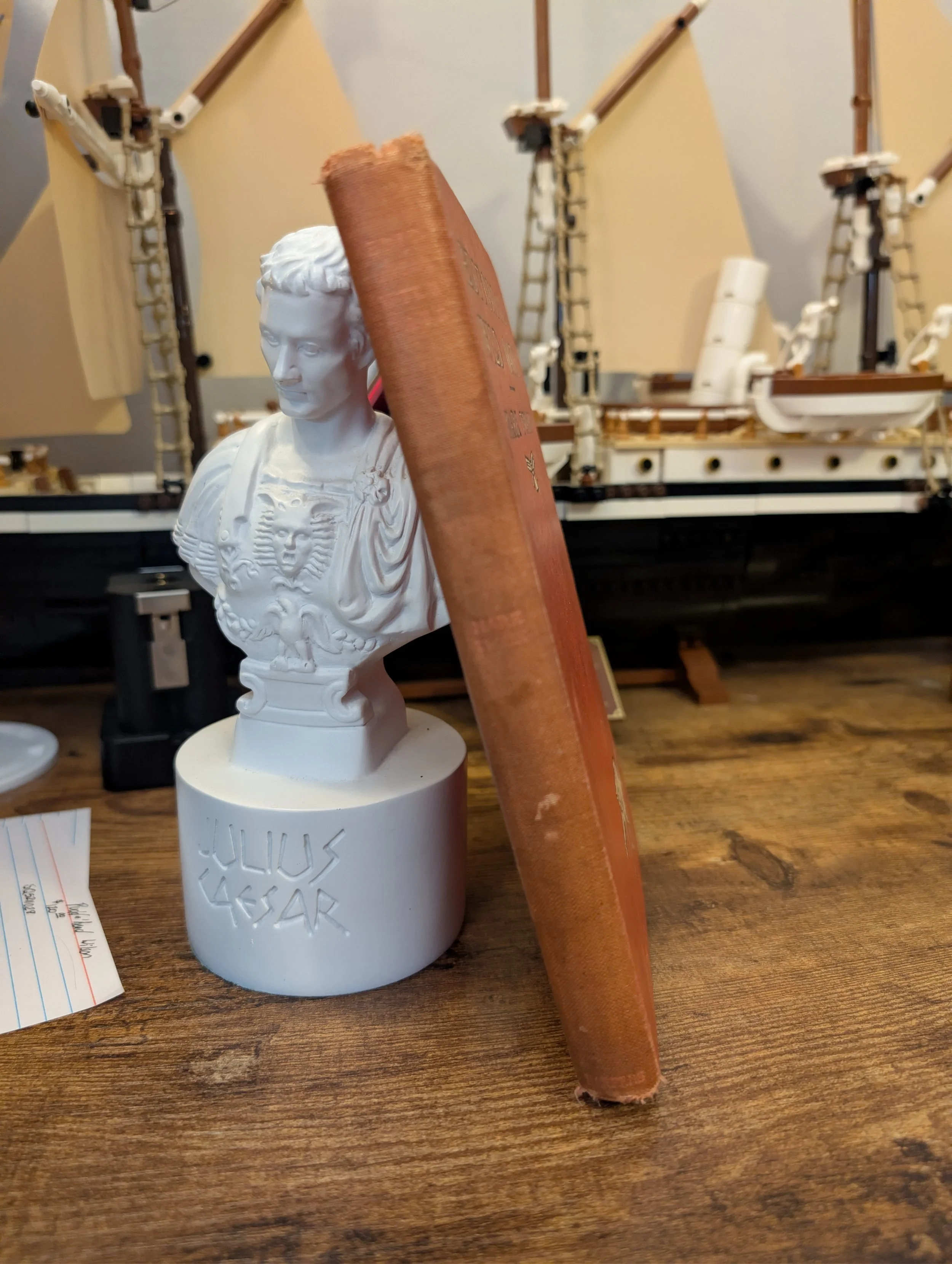
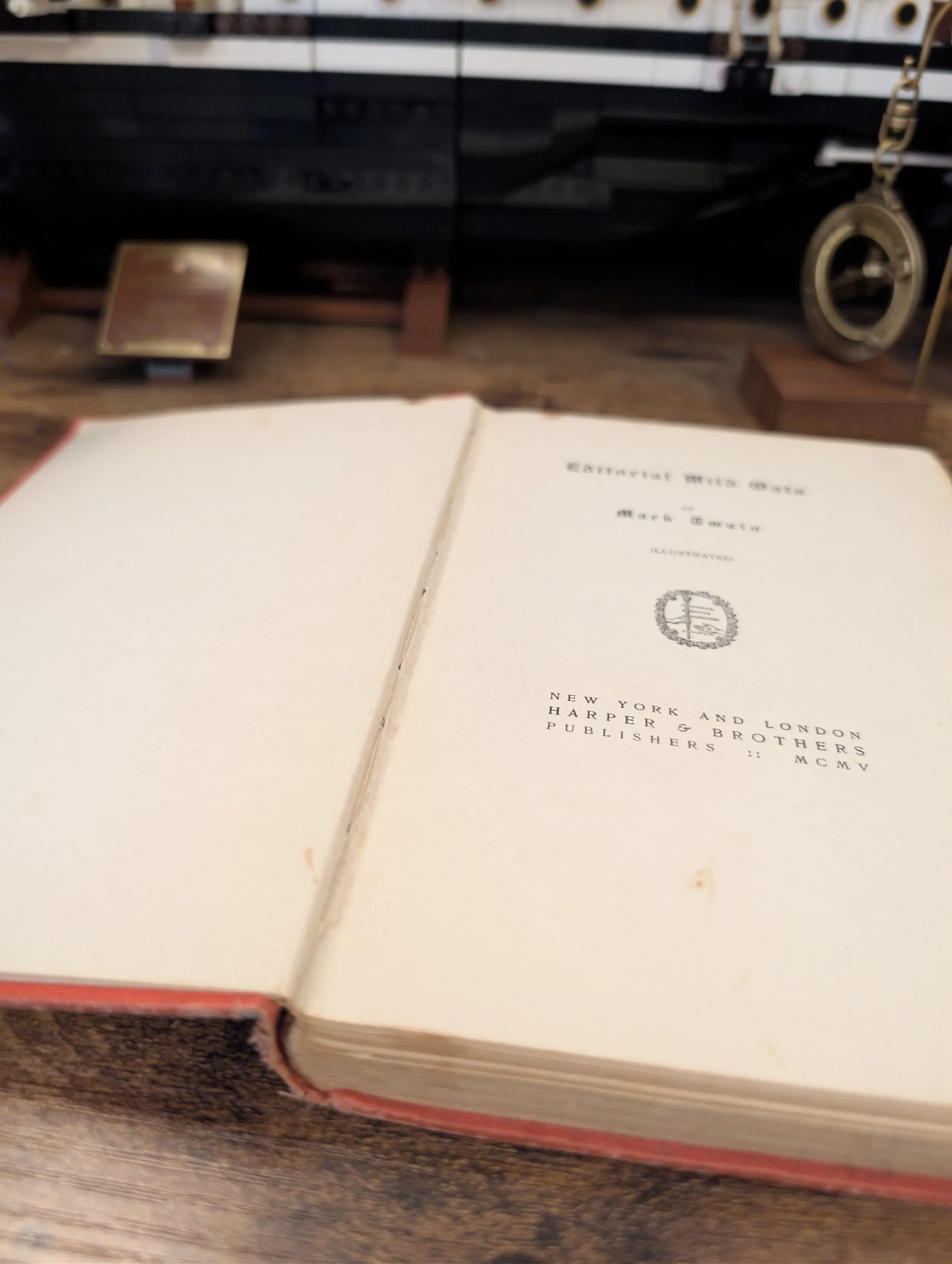
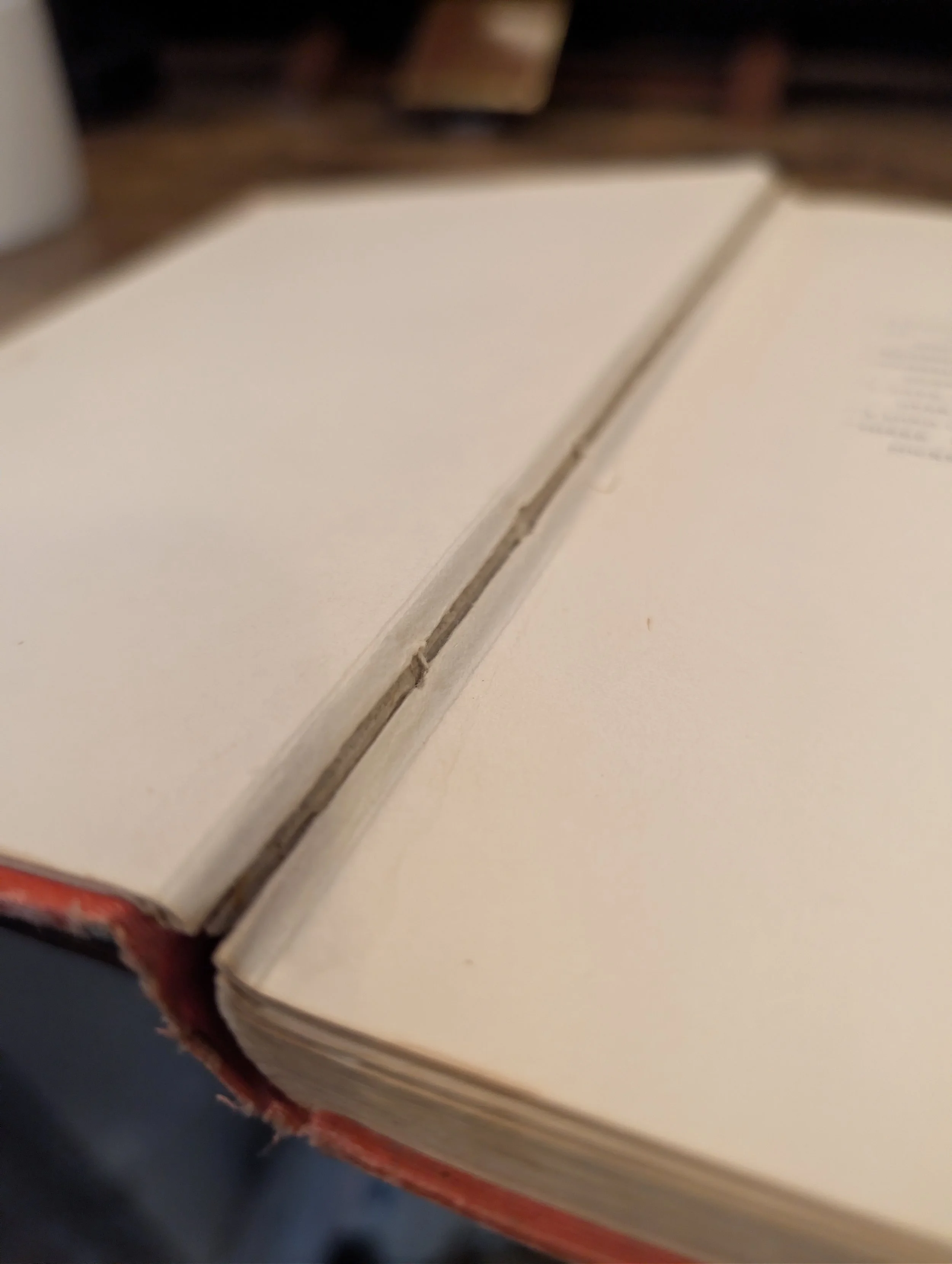
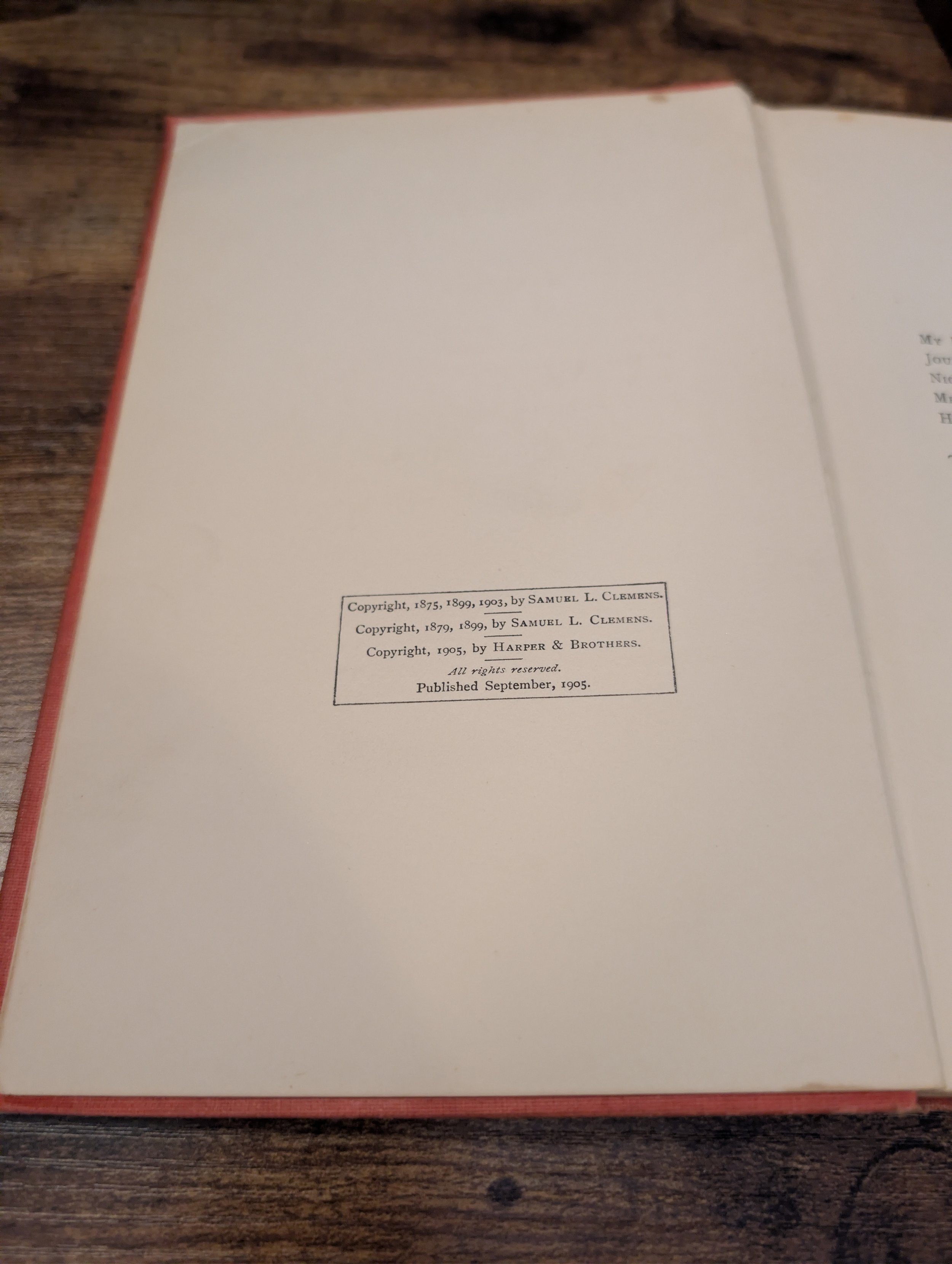
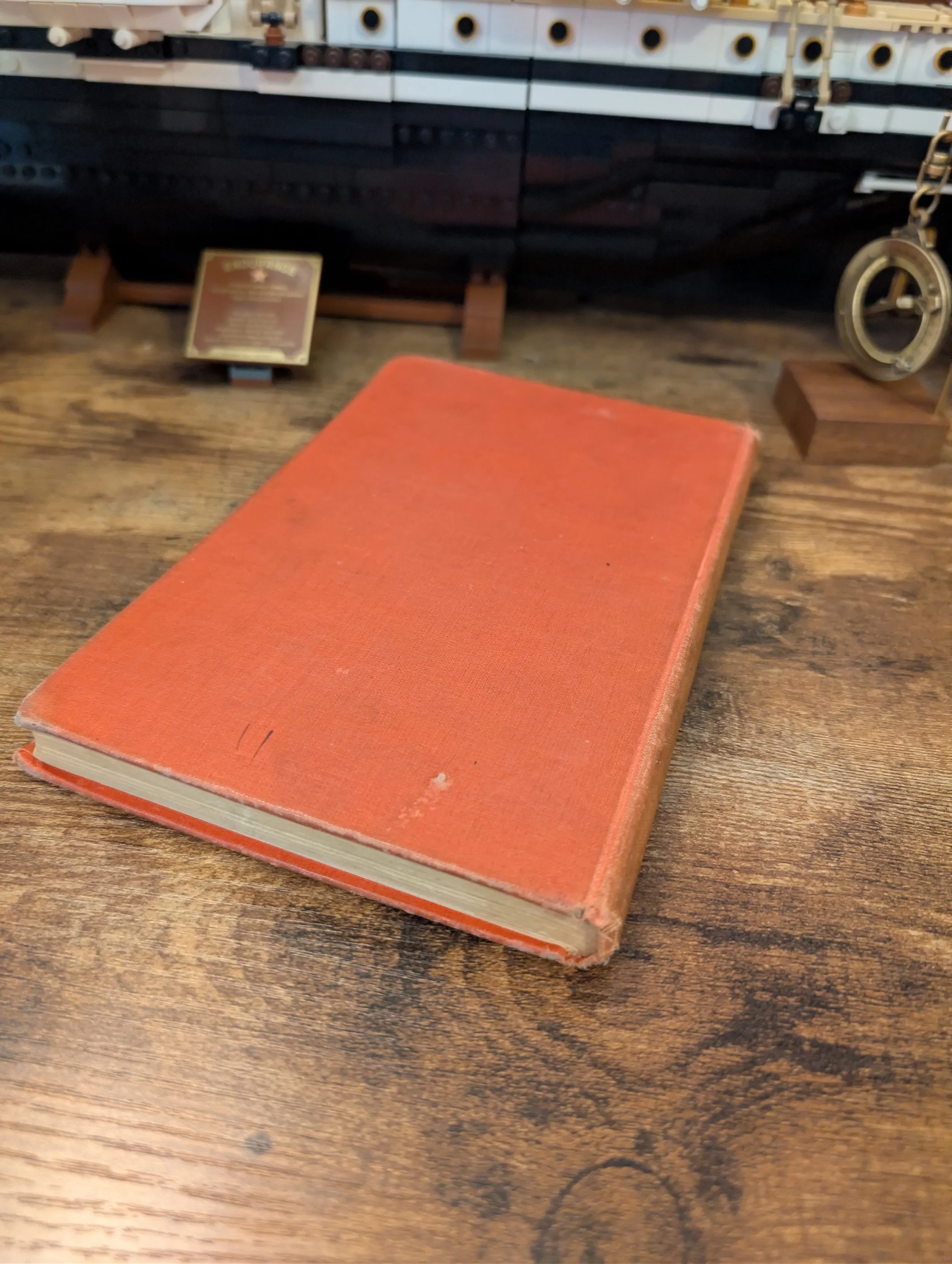
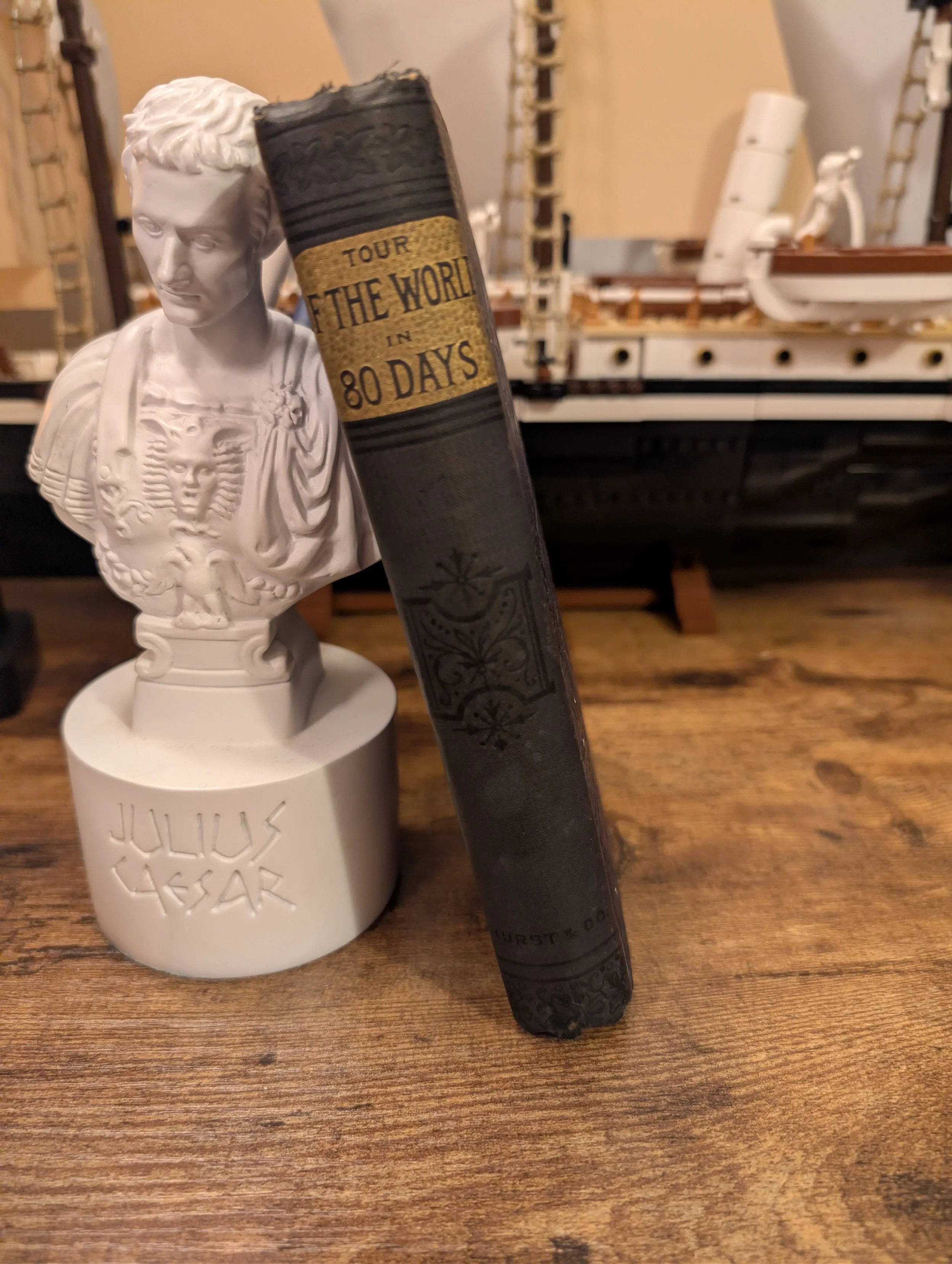
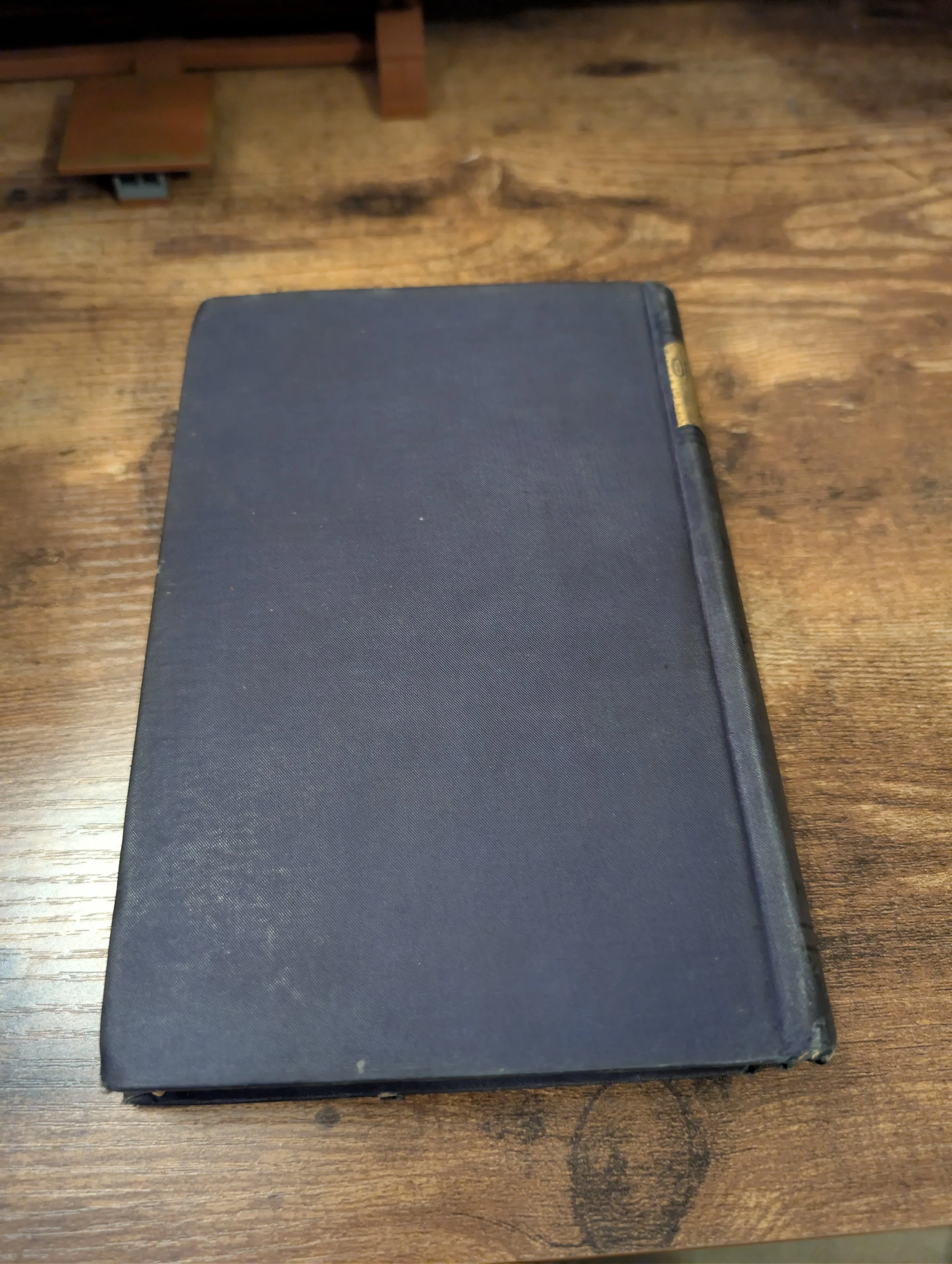
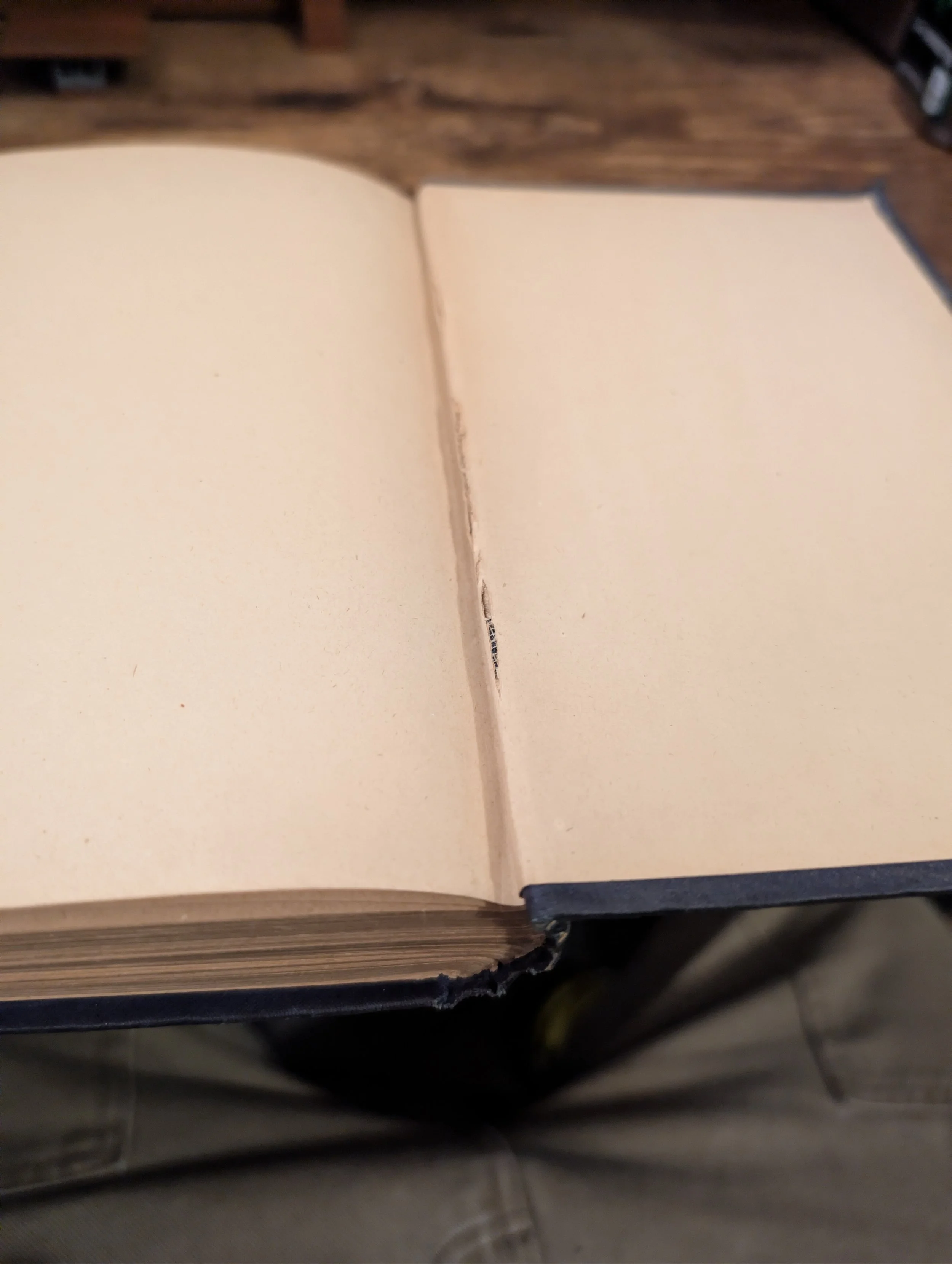
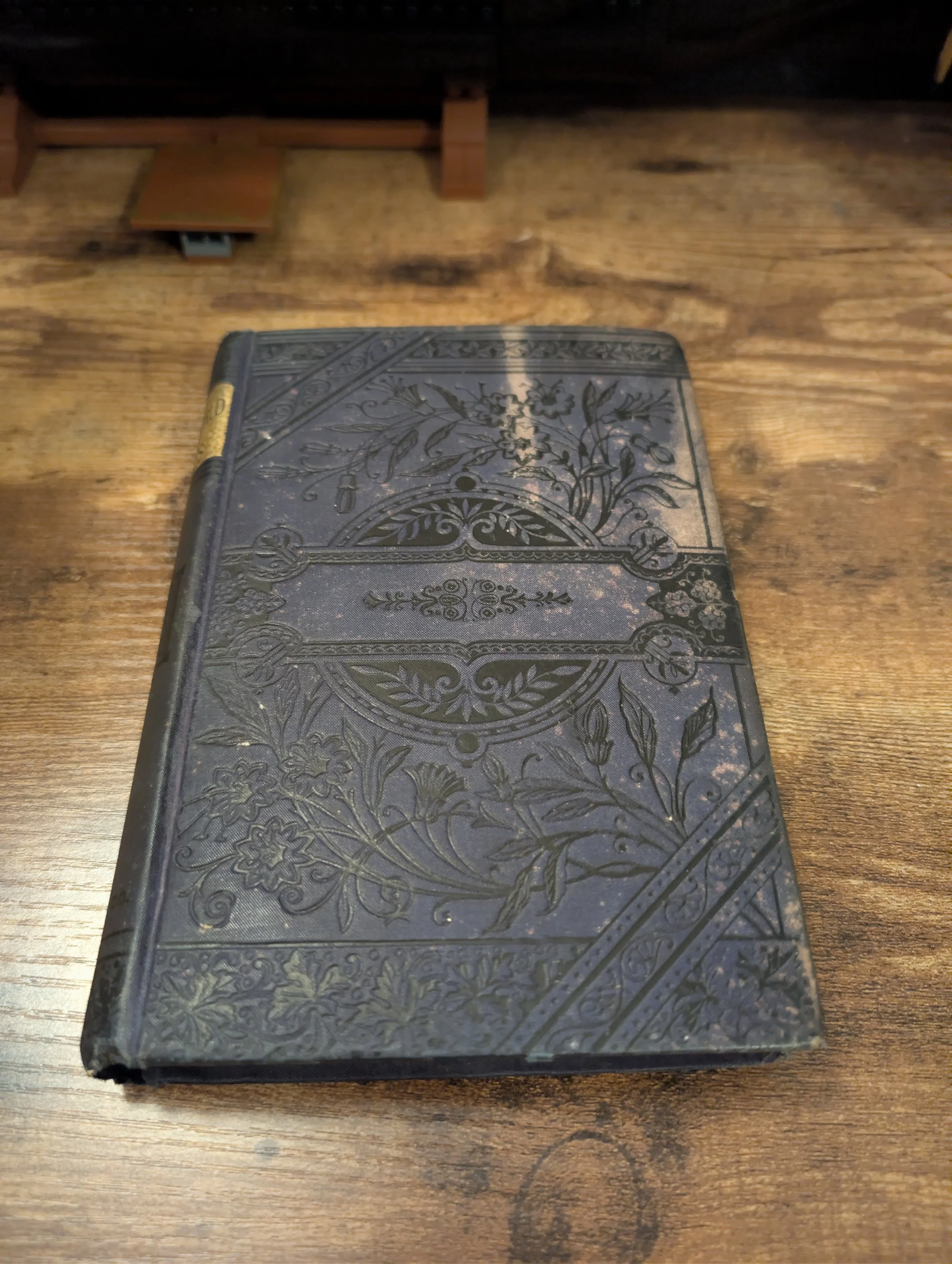
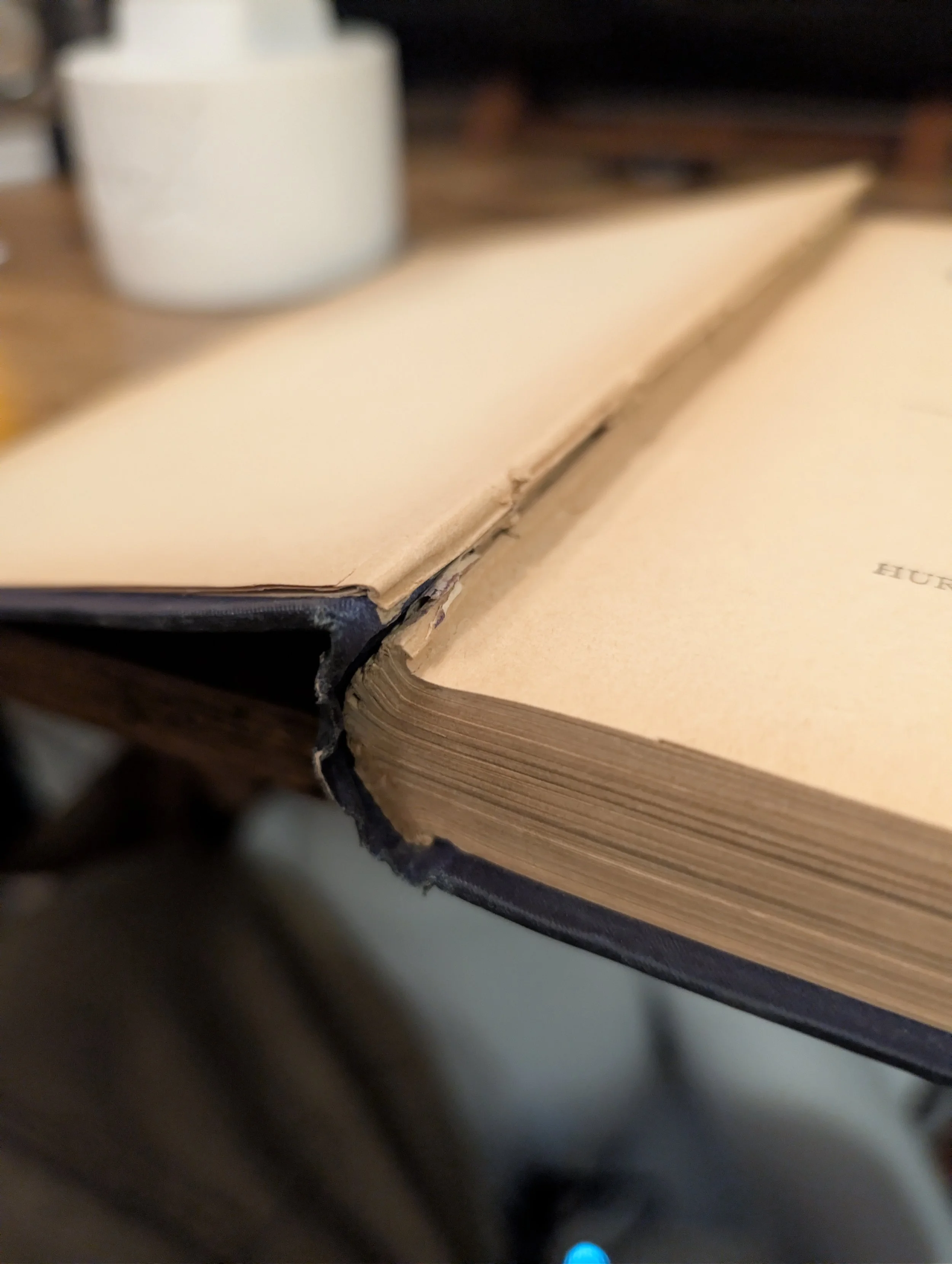
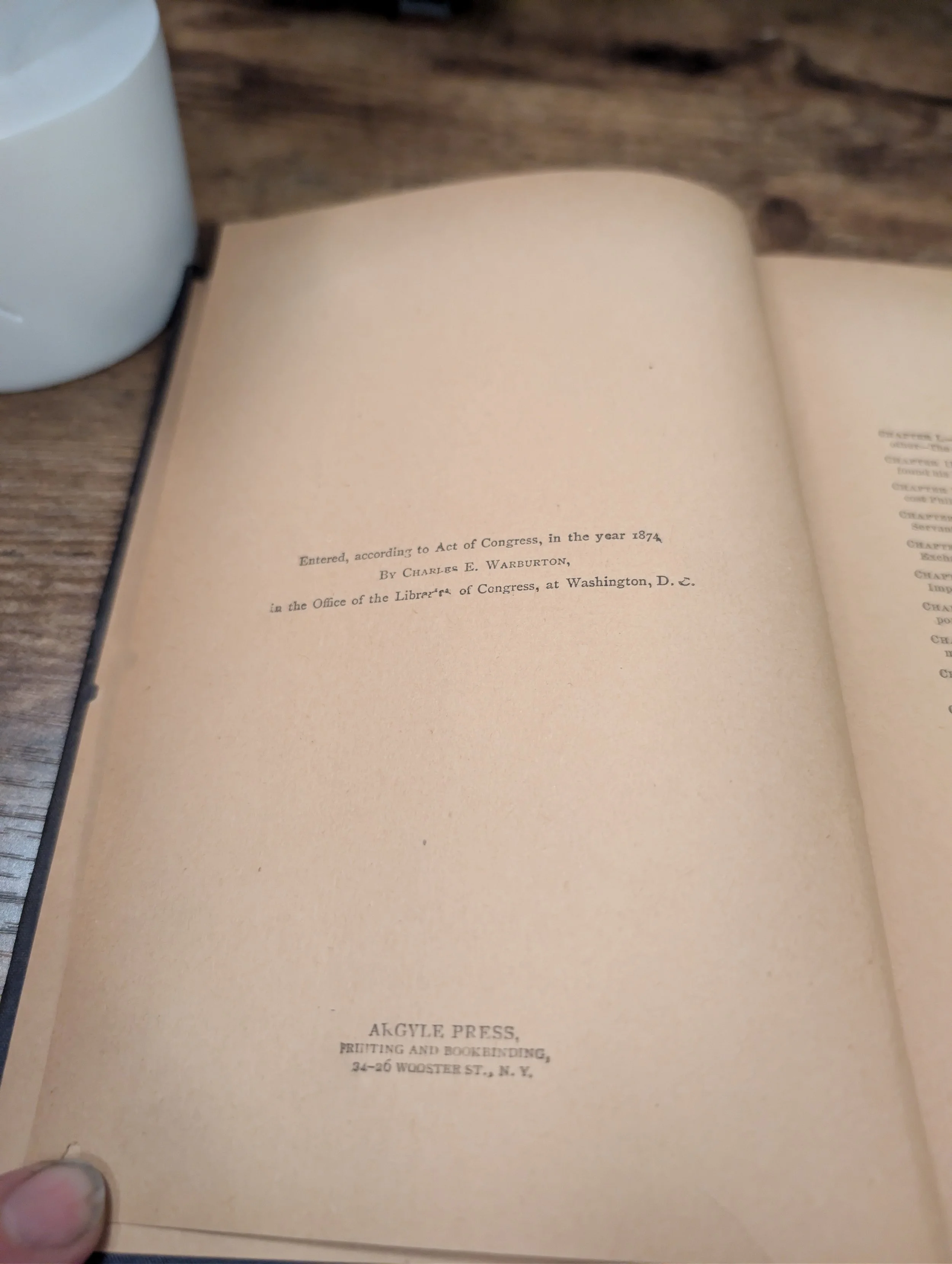
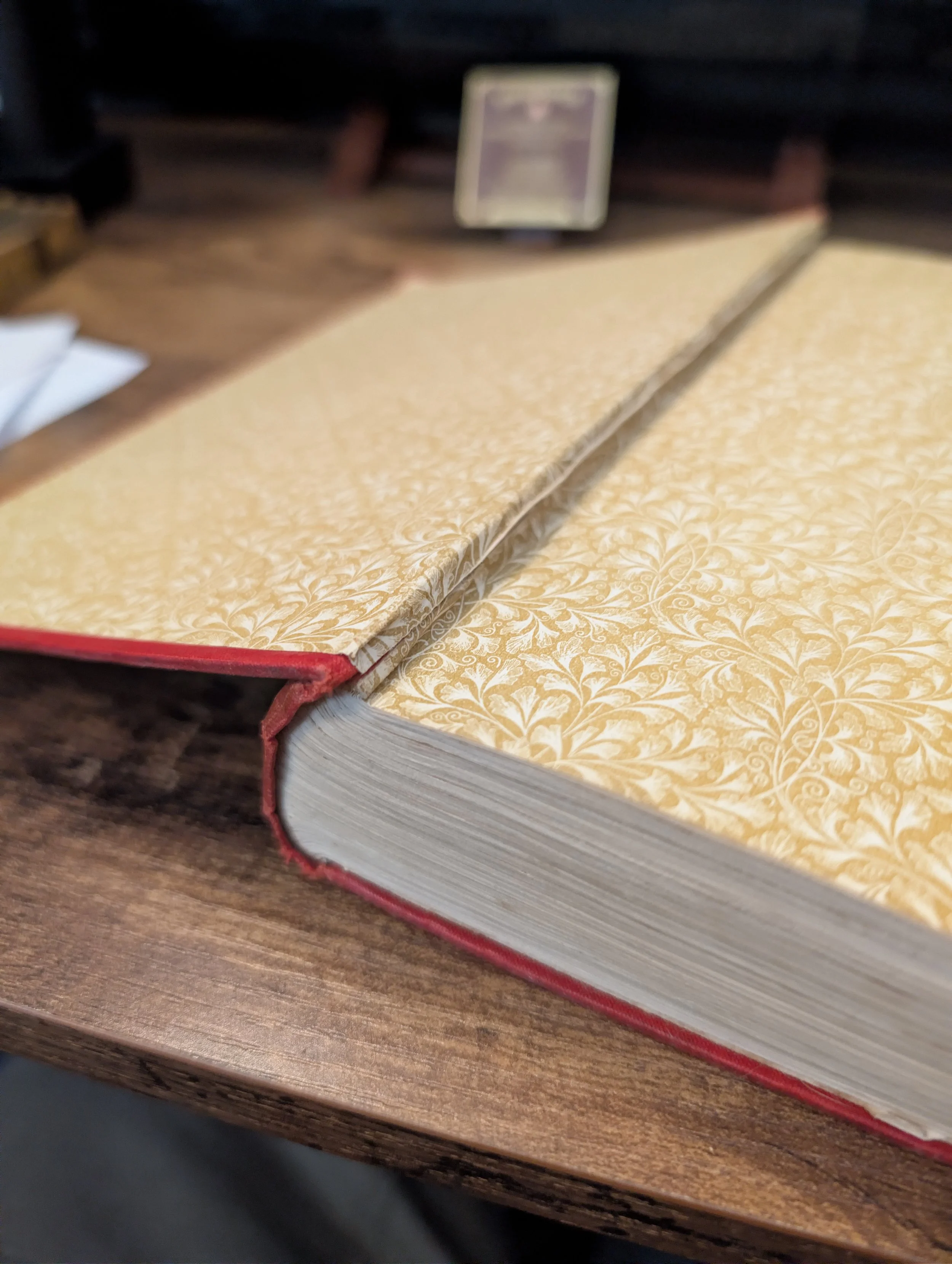
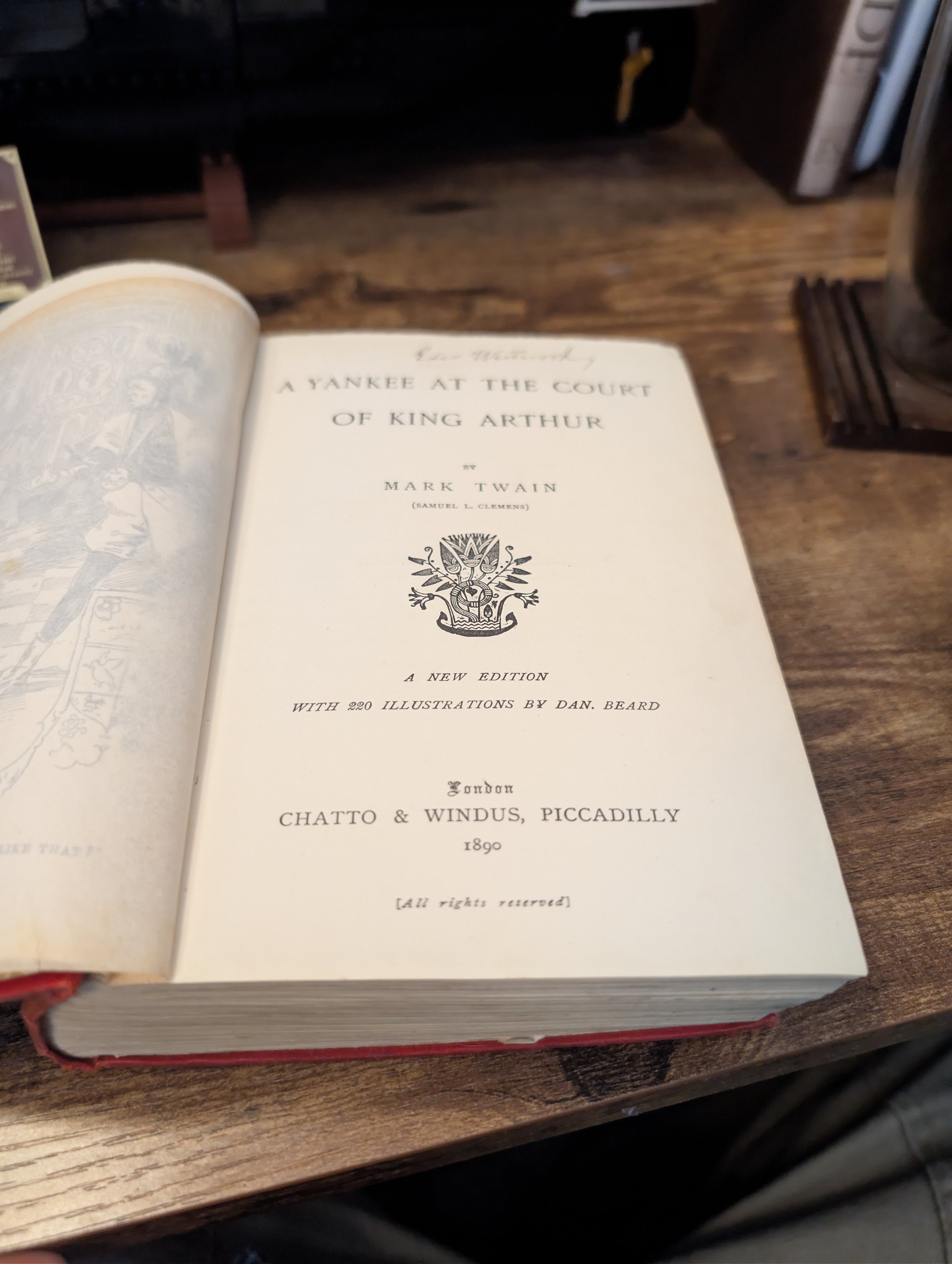
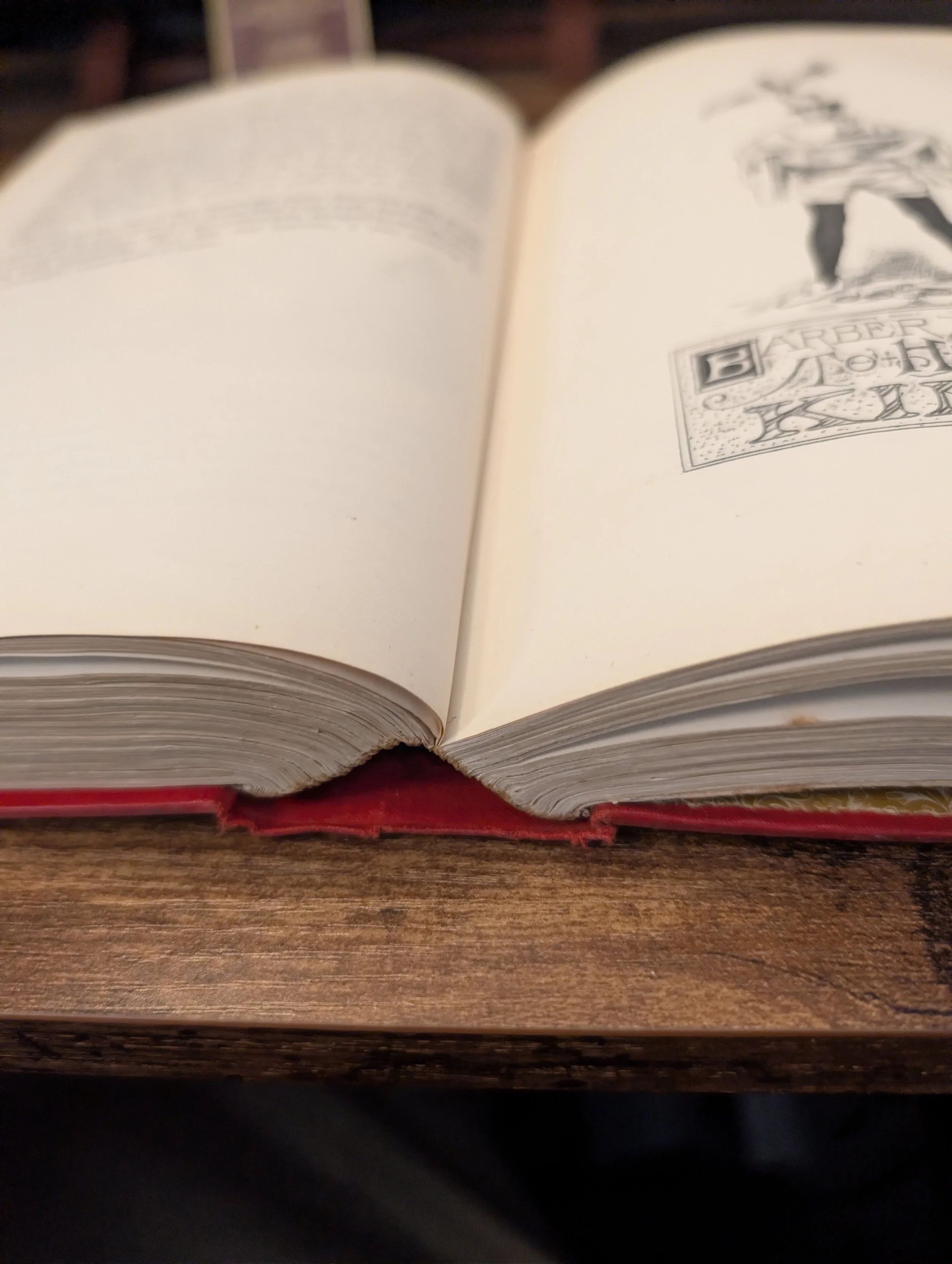
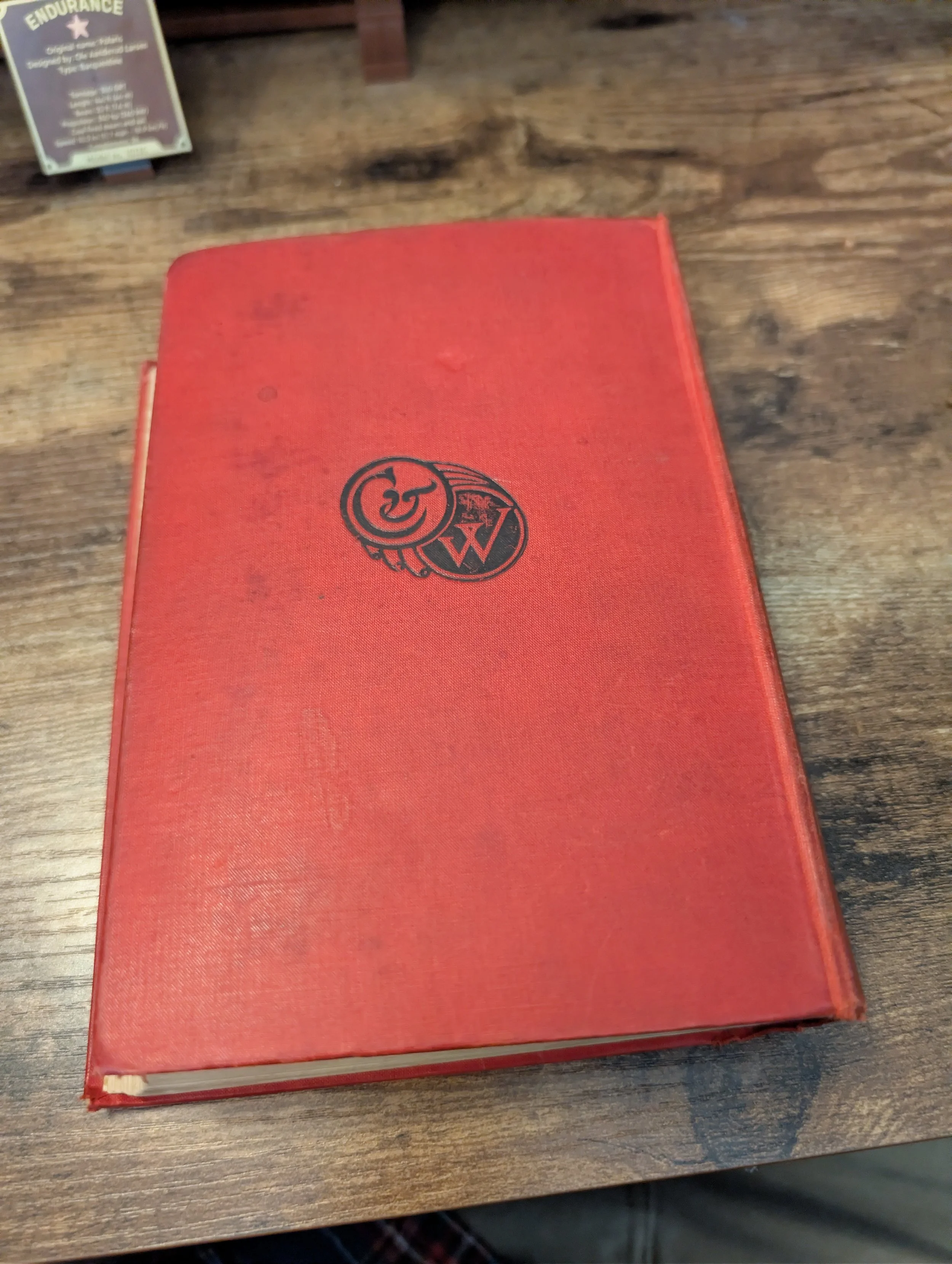
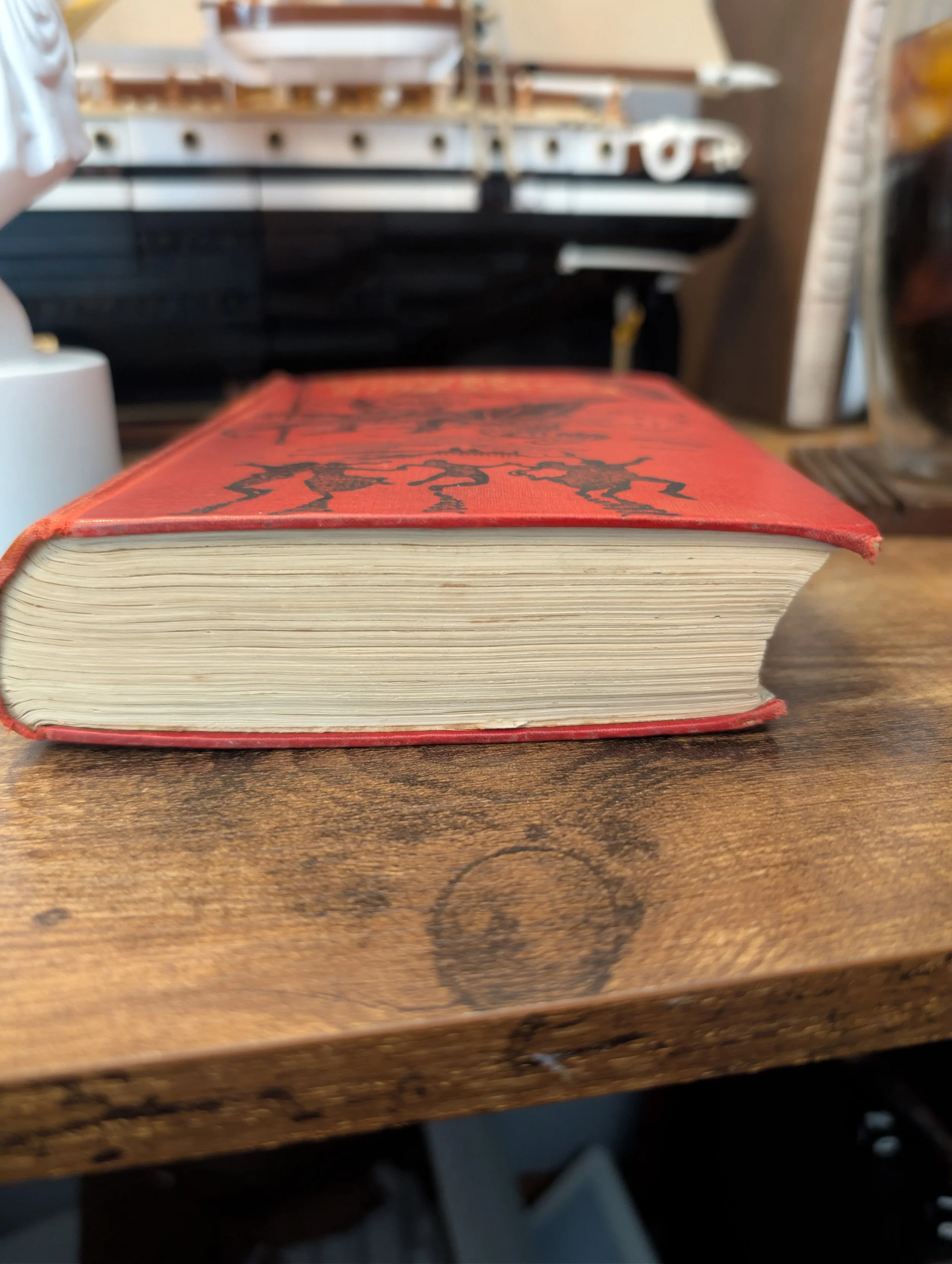
This copy is offered as a display or study copy rather than a reading or collector's copy. Condition issues are significant: loose binding with cracked hinges, heavy shelf wear and corner bumping to the boards, fading and staining throughout the leaves. The copy appears to be missing preliminary pages including the copyright page, beginning instead with the table of contents — the main text and plate suite are intact. The publisher has not been confirmed due to the missing copyright page, though the edition is consistent with Victorian trade editions of the Doré Inferno typically issued by Cassell, Petter, Galpin & Co.
The Doré plates are intact and presentable — for a buyer interested in the illustrations rather than a complete copy, this is an affordable entry point into one of the most visually iconic books of the Victorian era.
For a complete, collector-grade Doré Inferno, contact us directly — we're always scouting.
This large-format Victorian edition of Dante's Inferno features the complete suite of wood-engraved plates by Gustave Doré — the 19th century's most celebrated illustrator, whose haunting depictions of Hell remain the defining visual interpretation of Dante's poem. The plates are the reason to own this copy, and they present well despite the book's overall condition.
This copy is offered as a display or study copy rather than a reading or collector's copy. Condition issues are significant: loose binding with cracked hinges, heavy shelf wear and corner bumping to the boards, fading and staining throughout the leaves. The copy appears to be missing preliminary pages including the copyright page, beginning instead with the table of contents — the main text and plate suite are intact. The publisher has not been confirmed due to the missing copyright page, though the edition is consistent with Victorian trade editions of the Doré Inferno typically issued by Cassell, Petter, Galpin & Co.
The Doré plates are intact and presentable — for a buyer interested in the illustrations rather than a complete copy, this is an affordable entry point into one of the most visually iconic books of the Victorian era.
For a complete, collector-grade Doré Inferno, contact us directly — we're always scouting.
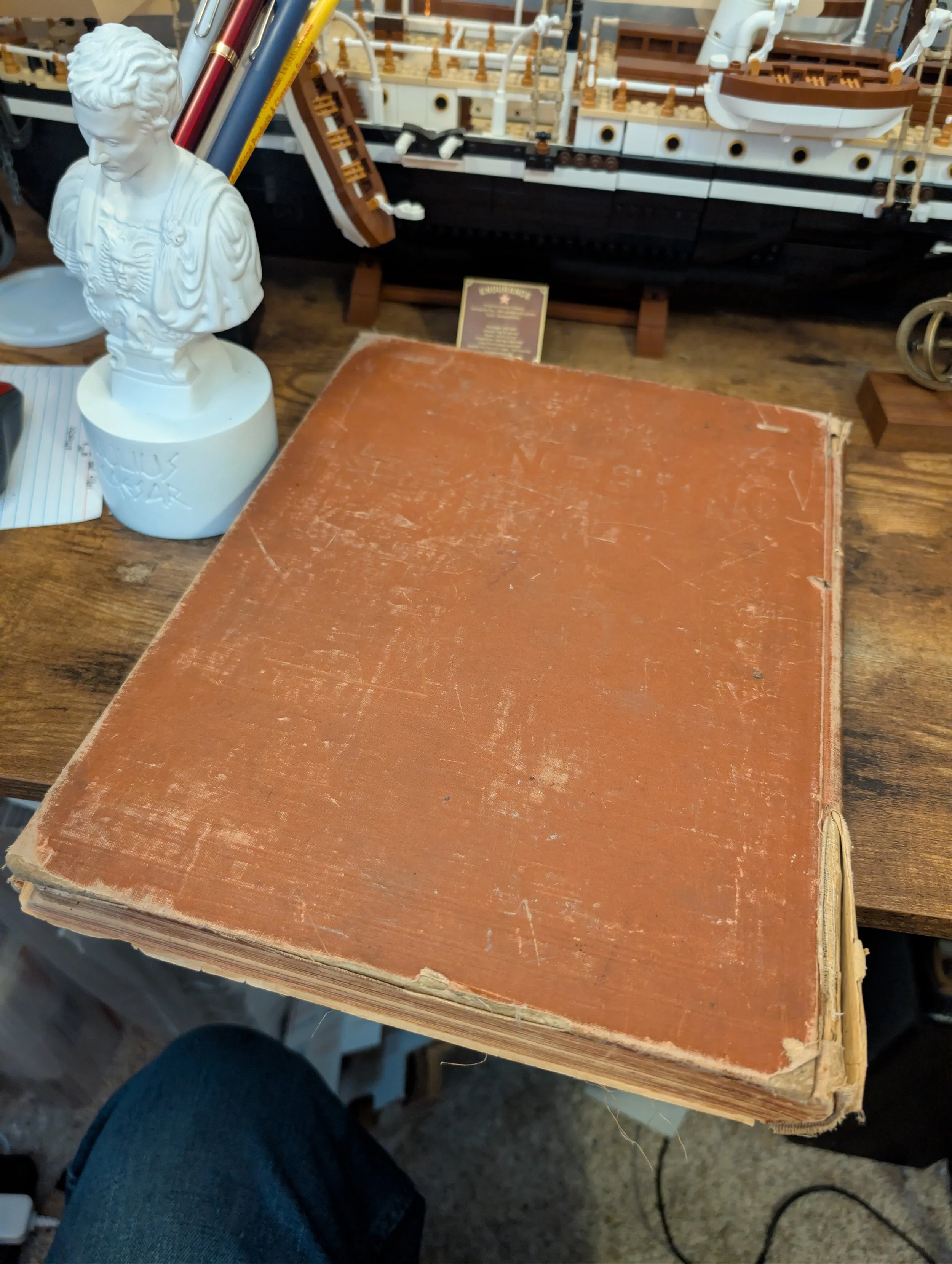 Image 1 of 6
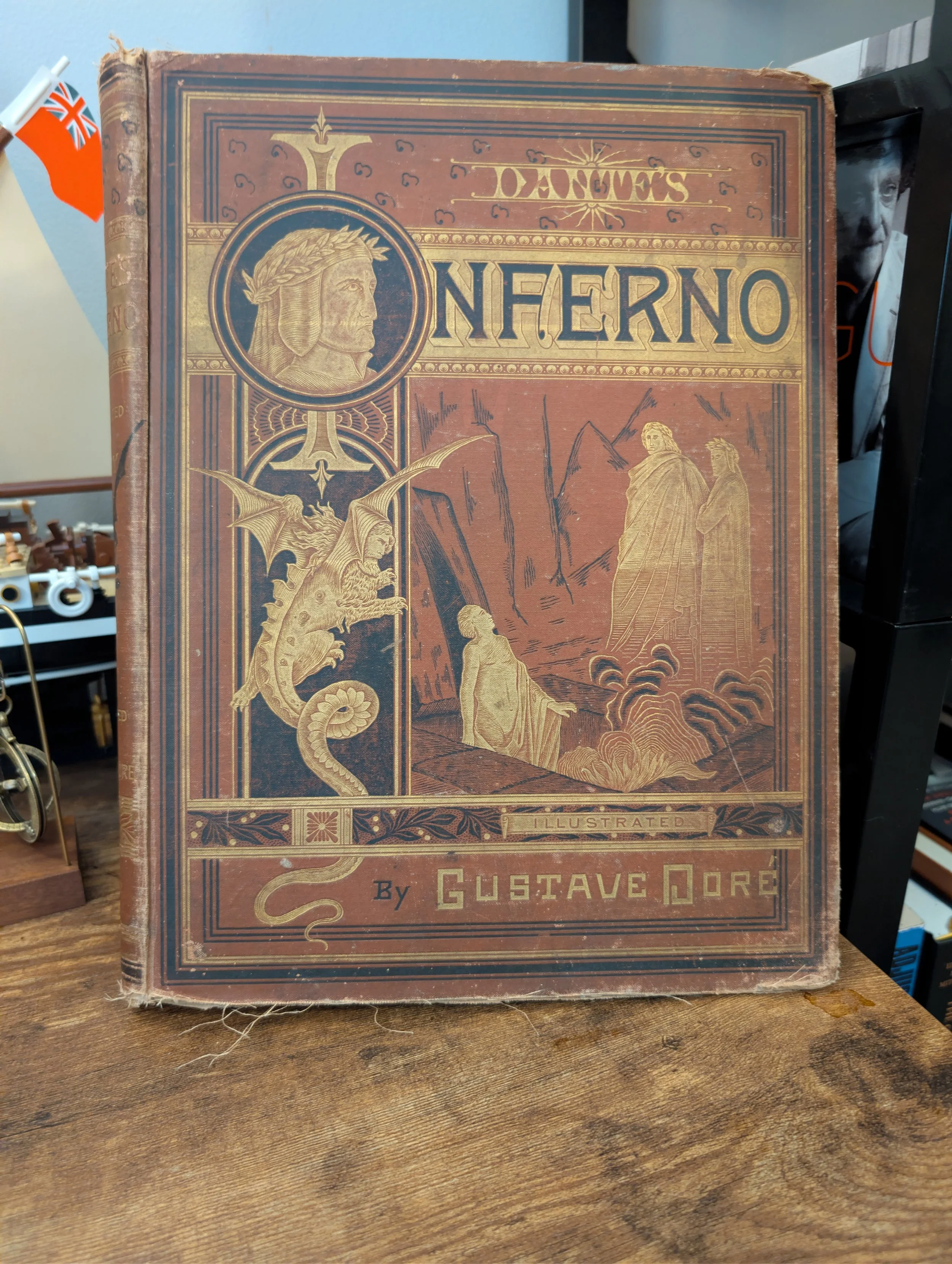 Image 2 of 6
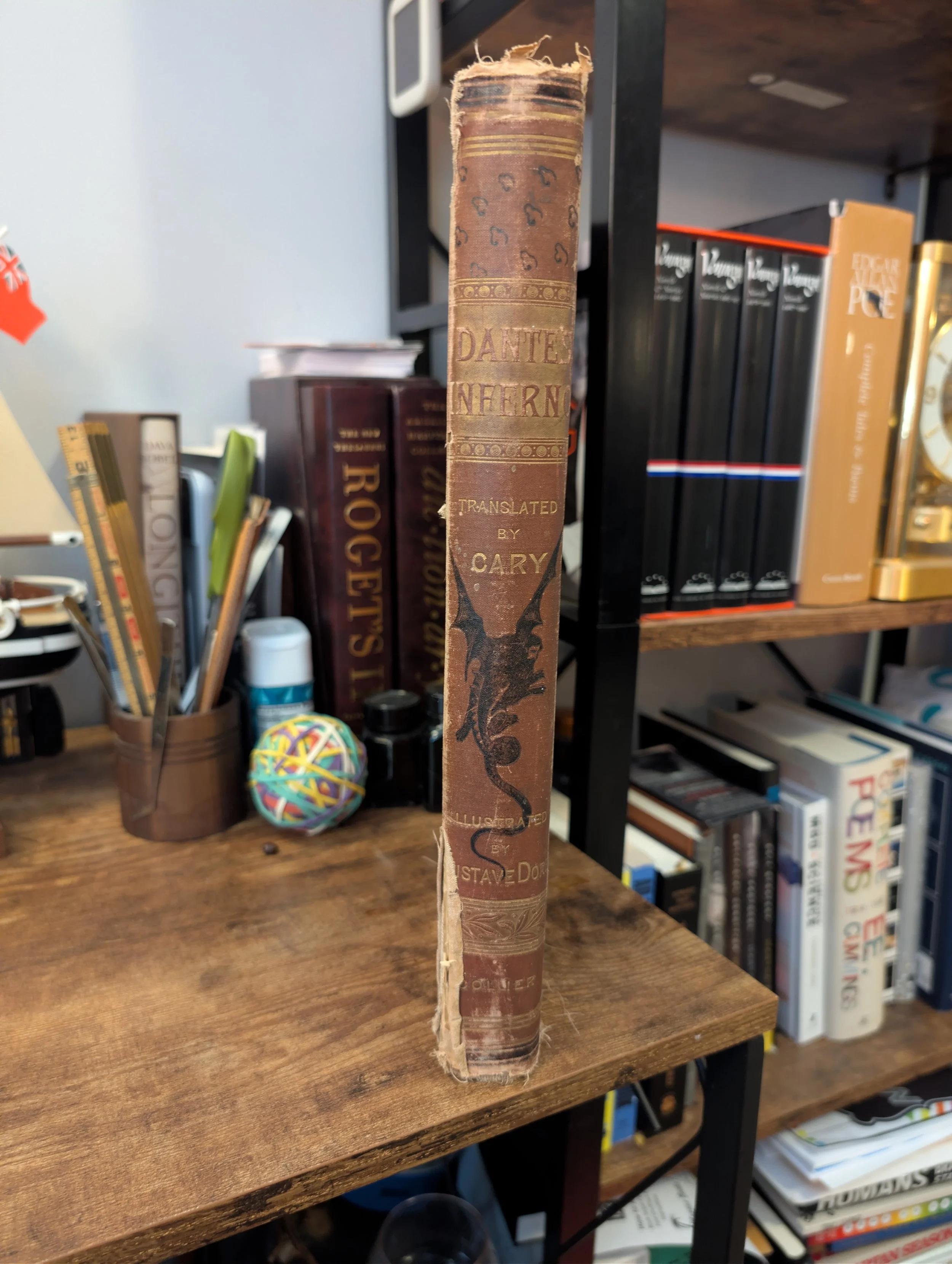 Image 3 of 6
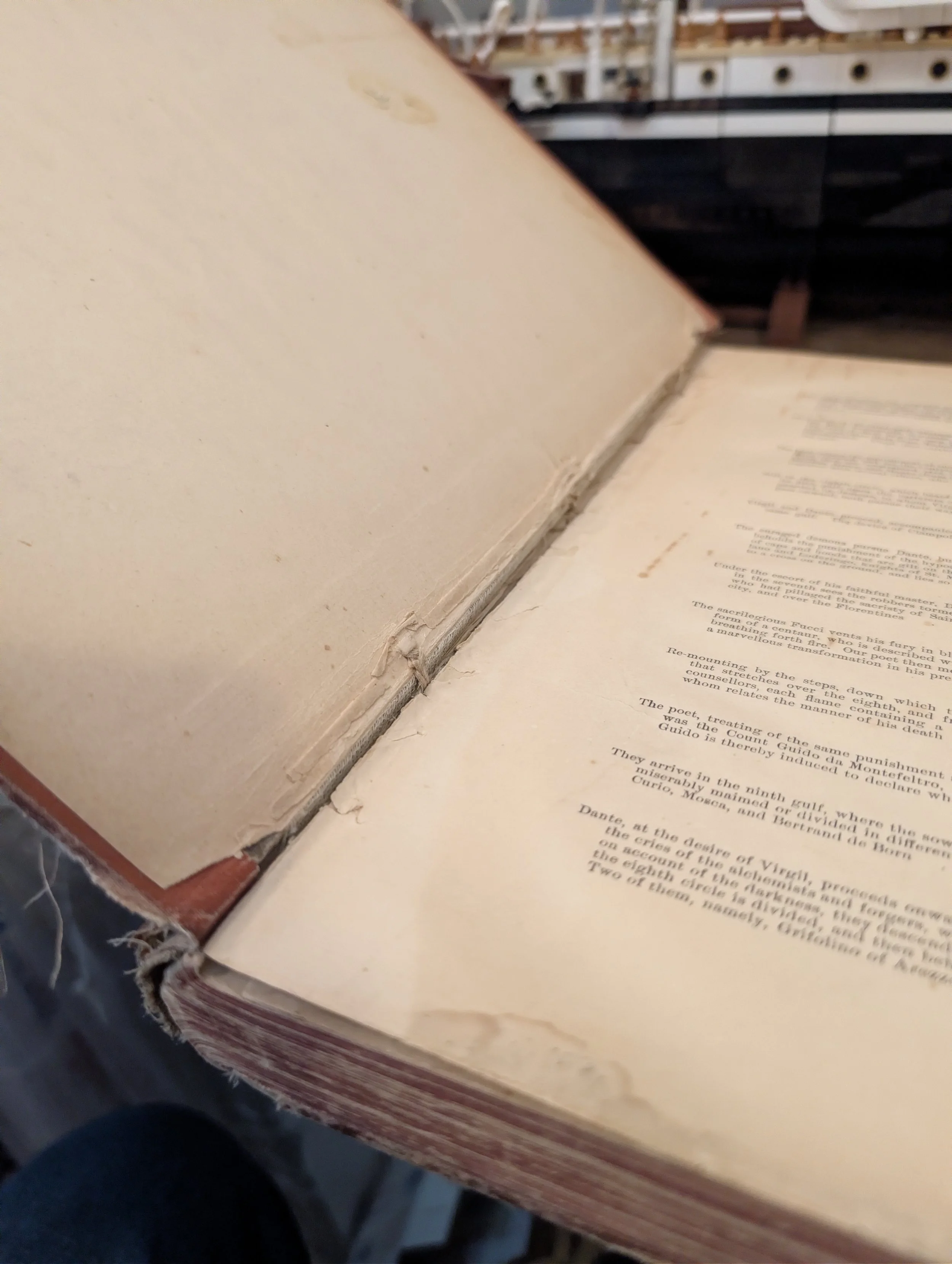 Image 4 of 6
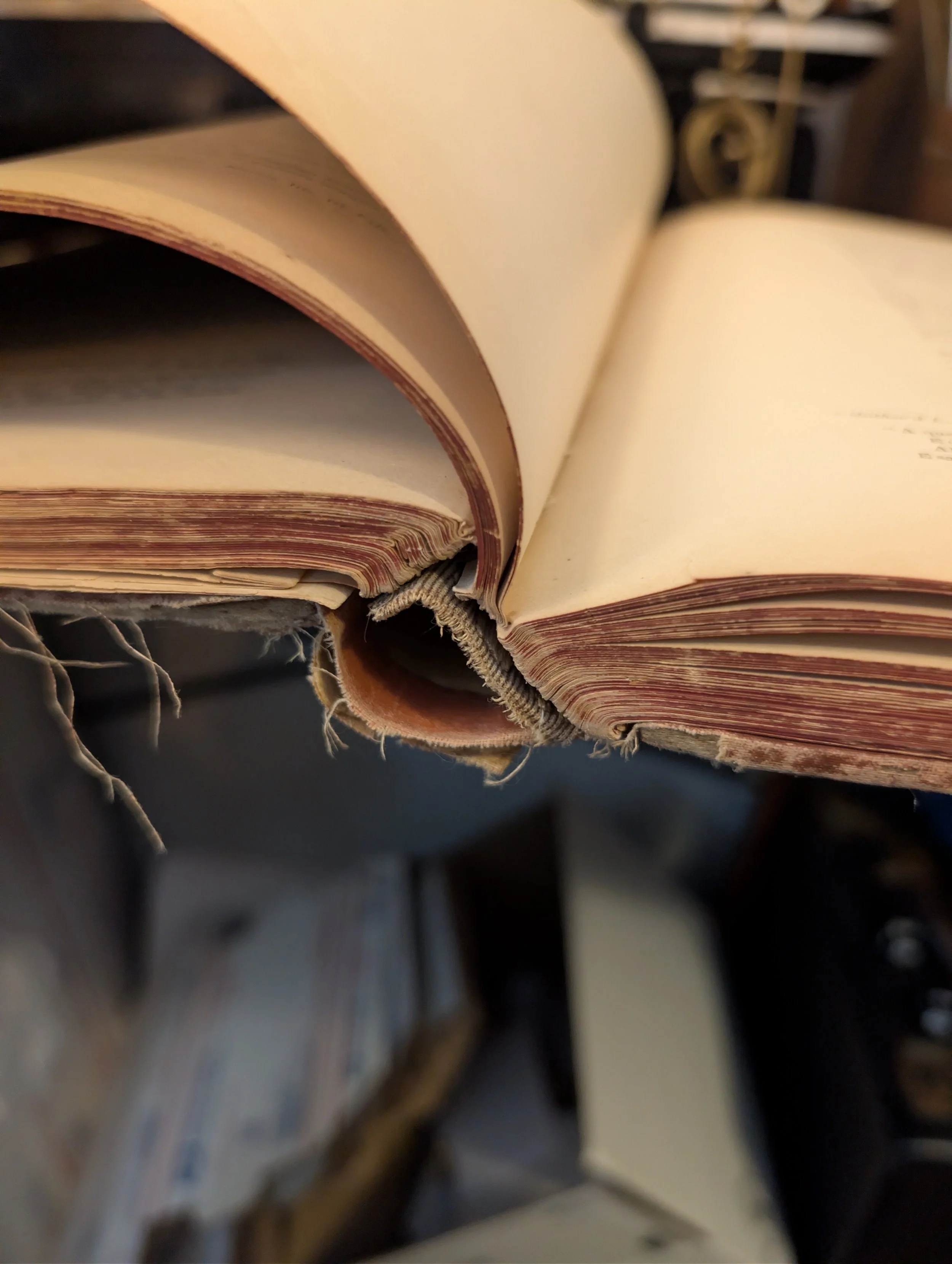 Image 5 of 6
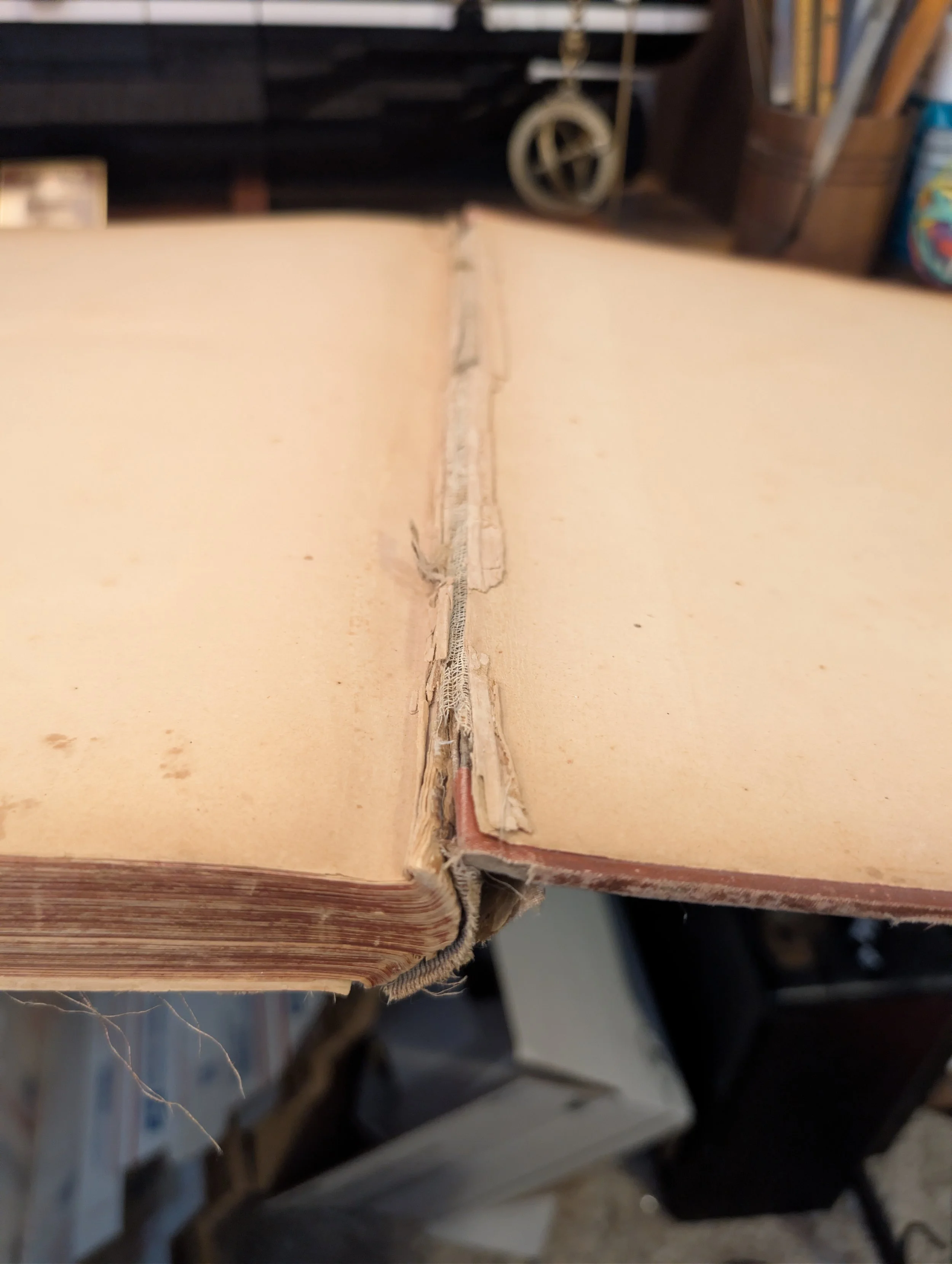 Image 6 of 6