Through the Looking Glass and What Alice Found There by Lewis Carroll - Henry Altemus Edition

$17.95

The Story & Significance

Published in 1871 as the sequel to Alice’s Adventures in Wonderland, Lewis Carroll’s Through the Looking-Glass is a masterwork of literary nonsense and structural ingenuity. While the first book followed the chaotic logic of a deck of cards, this journey is organized as a massive game of chess, with Alice moving from Pawn to Queen across a world that is a reversed reflection of her own. Featuring the legendary poems "Jabberwocky" and "The Walrus and the Carpenter," the novel is as much a philosophical inquiry into language and identity as it is a children's fantasy. This Henry Altemus edition captures the enduring 19th-century popularity of Alice’s adventures, which continue to serve as the benchmark for imaginative storytelling.

Physical Description & Provenance

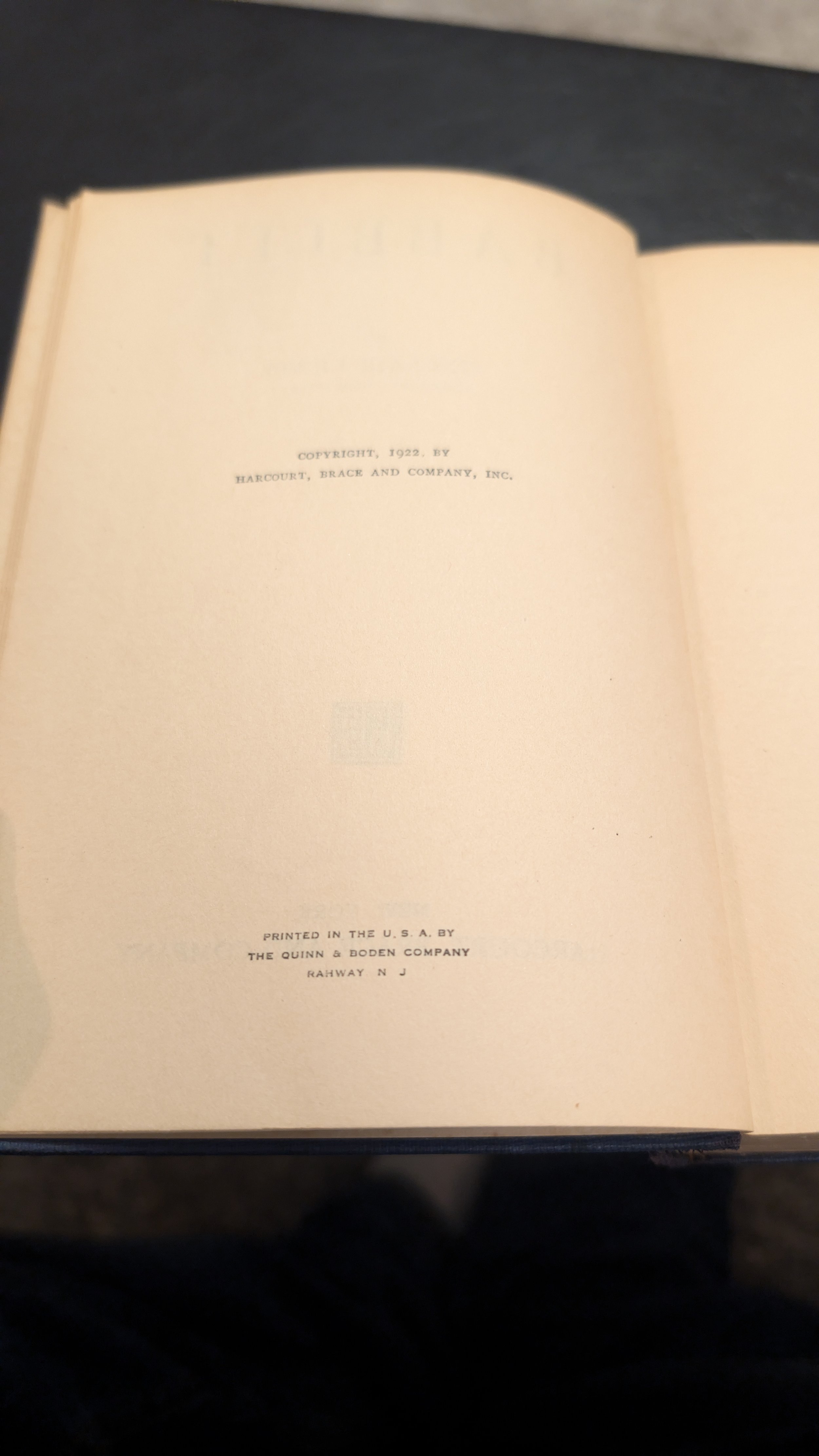
  • Edition: Henry Altemus Edition (c. Late 1890s).

  • Publisher: Henry Altemus Company, Philadelphia.

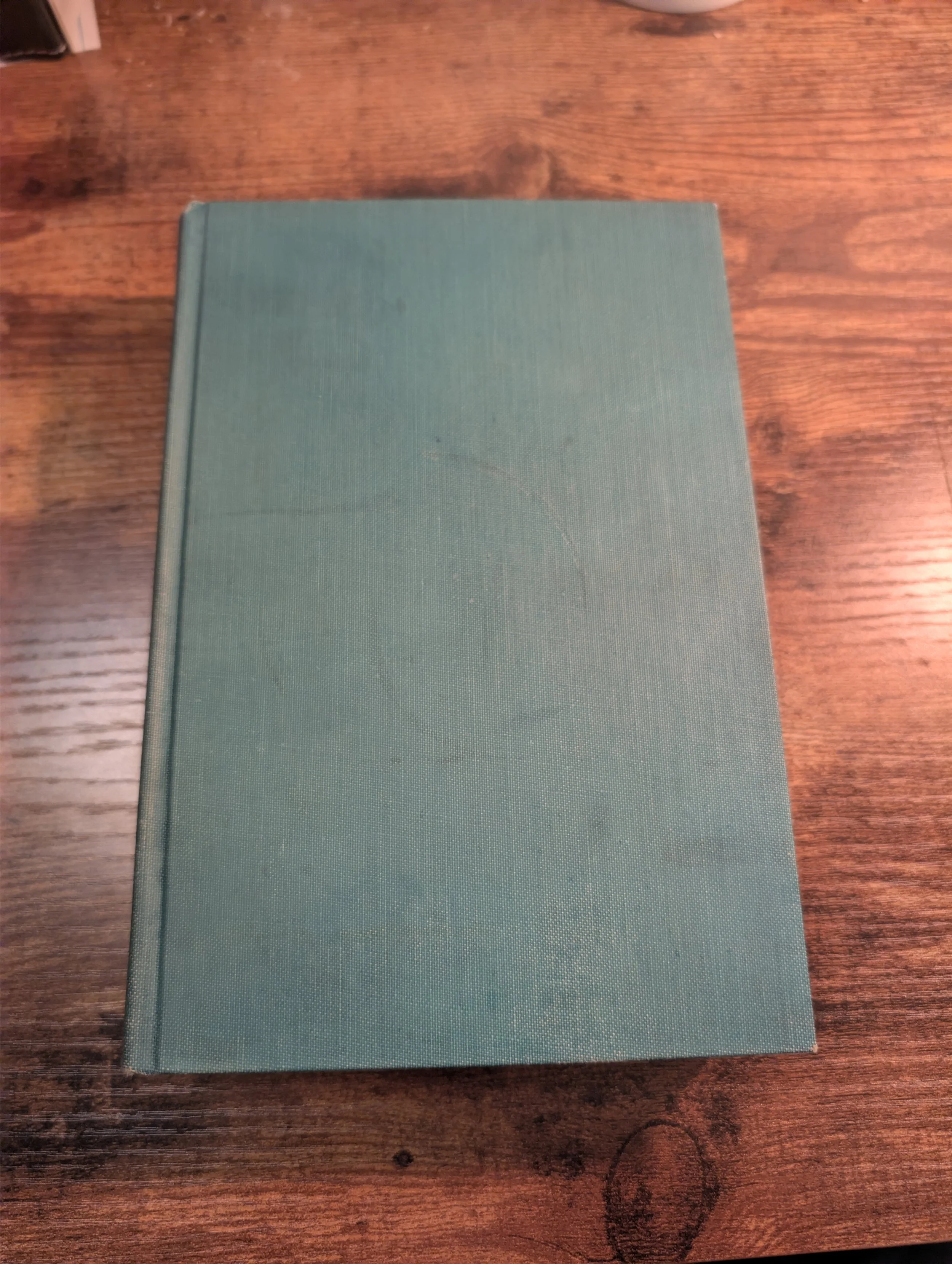
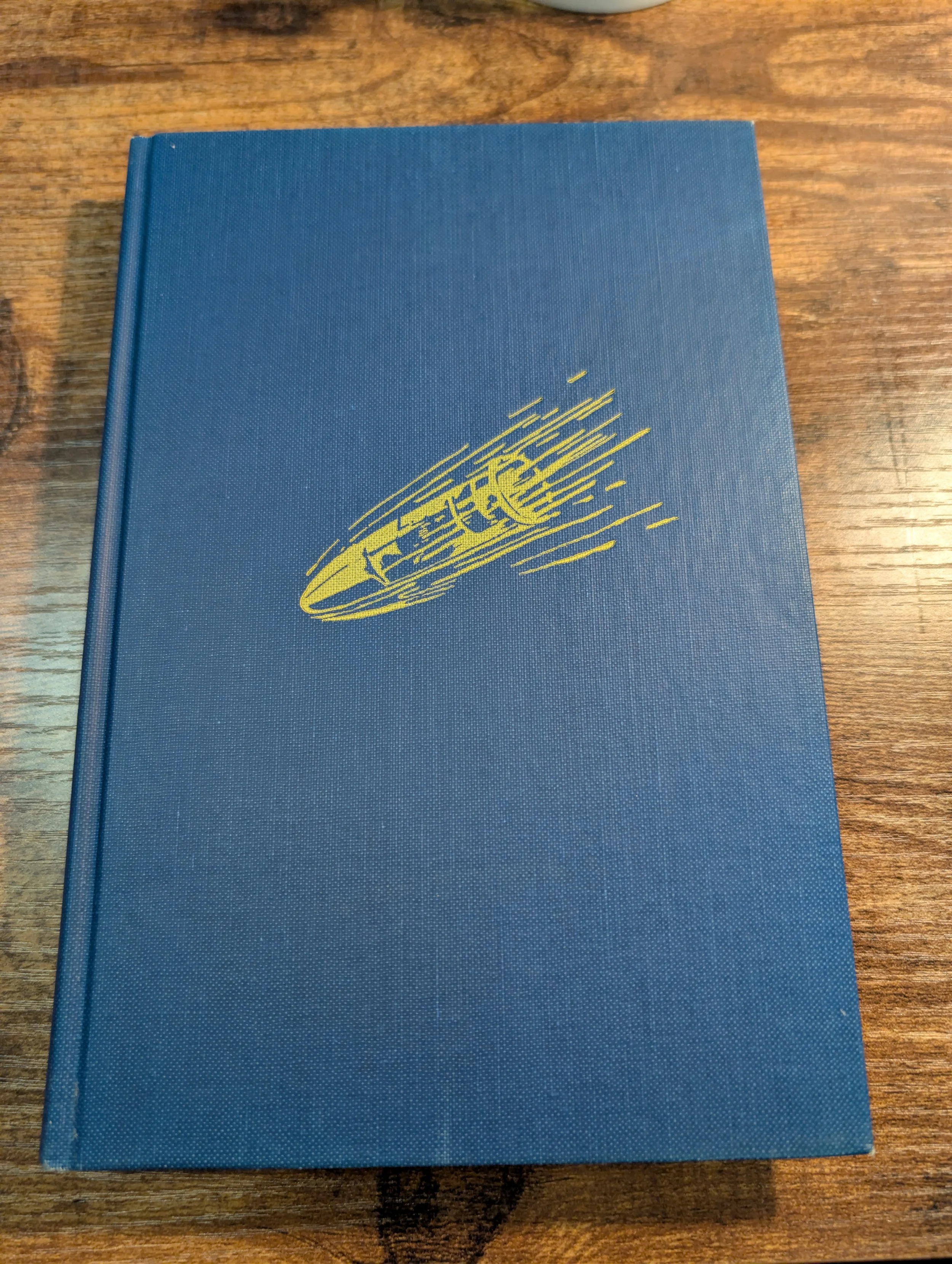
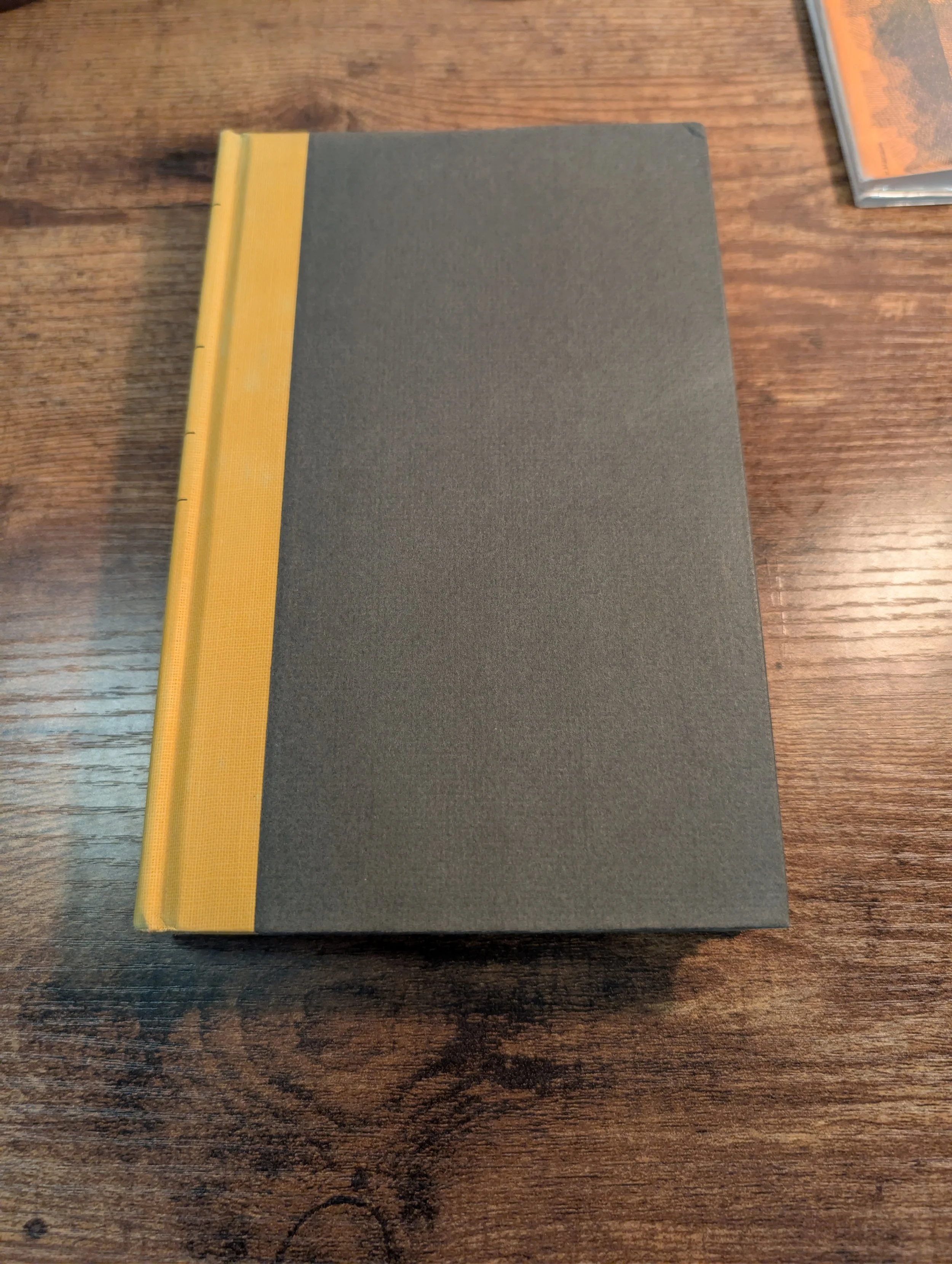
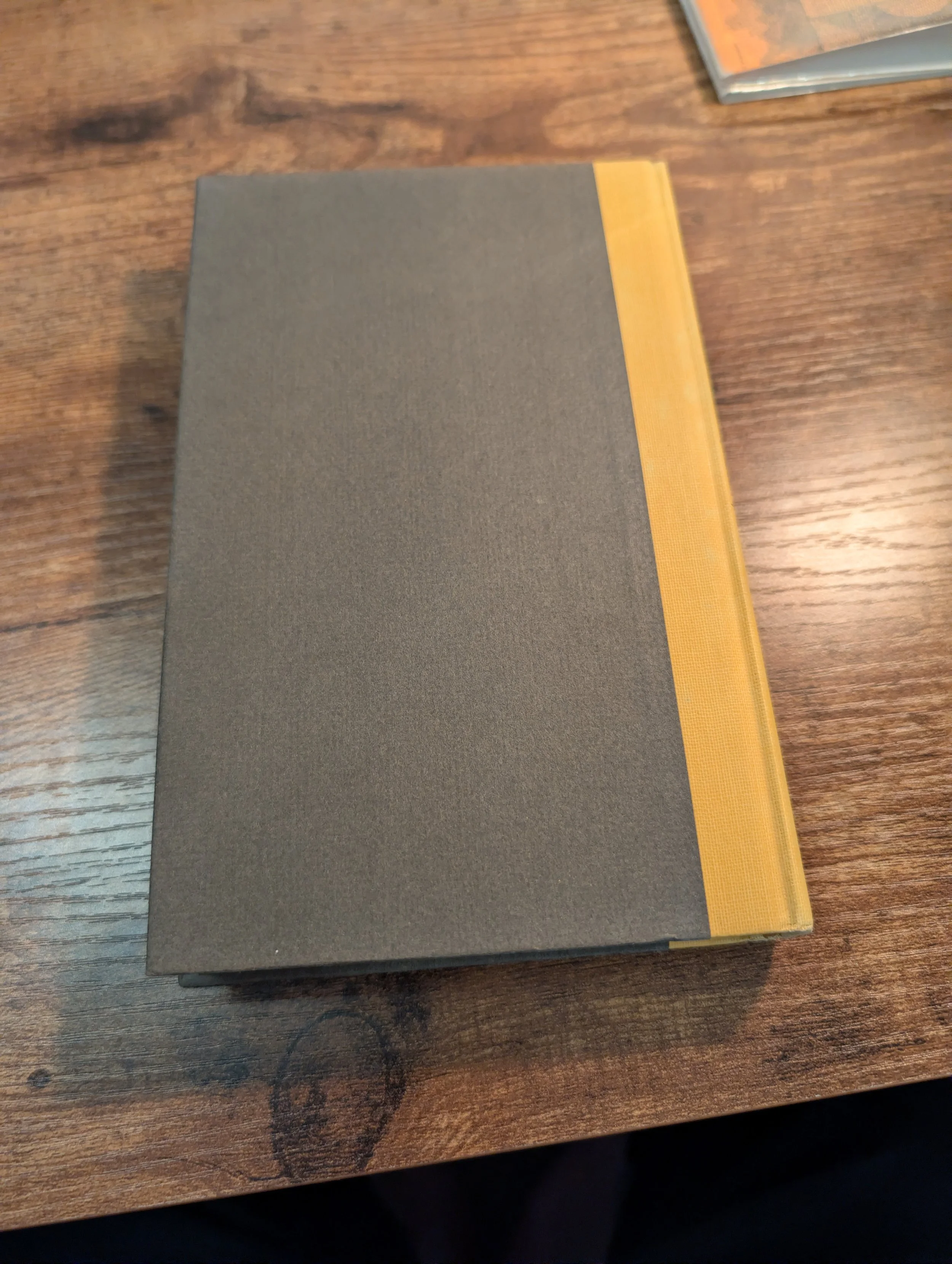
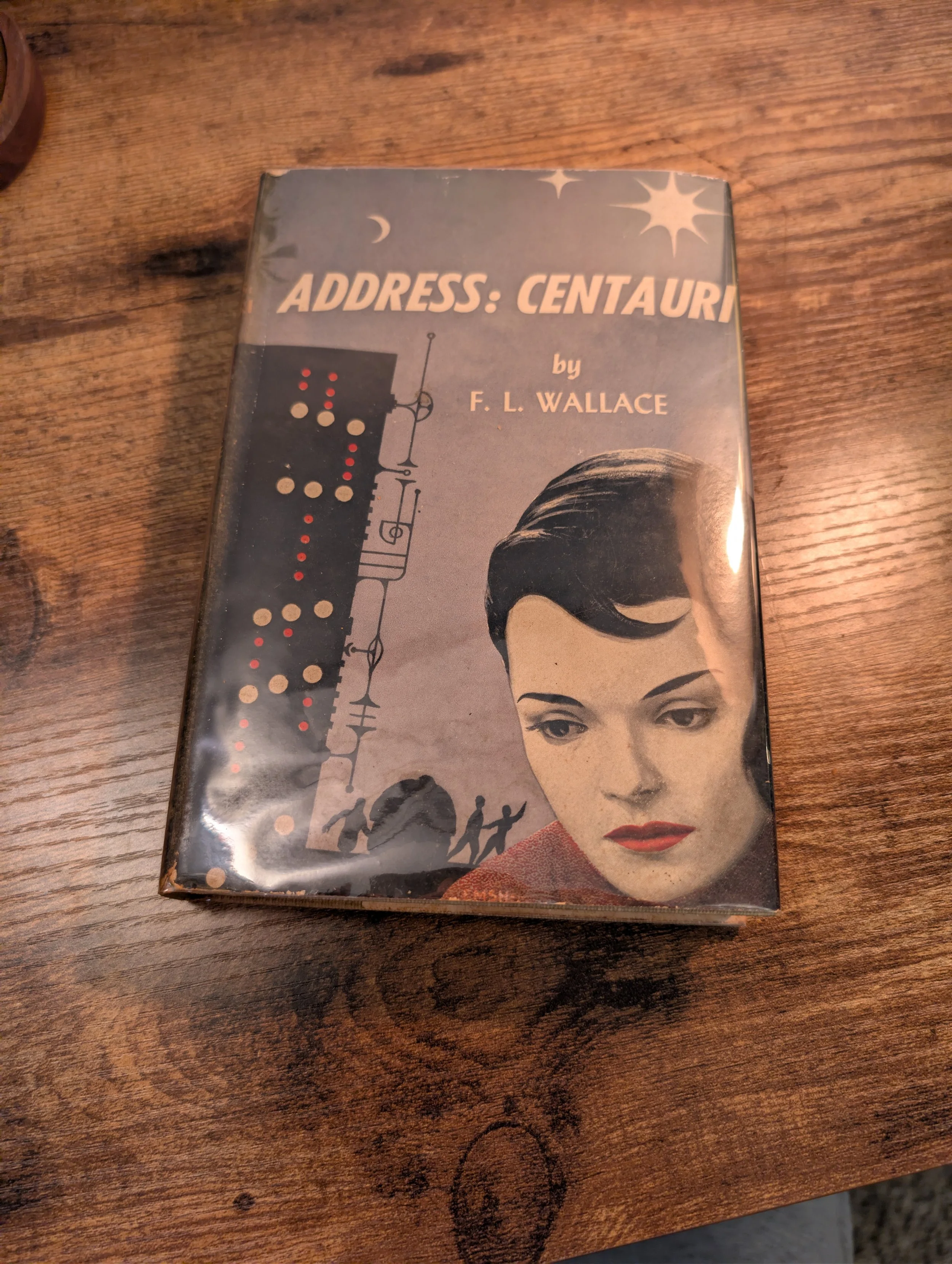
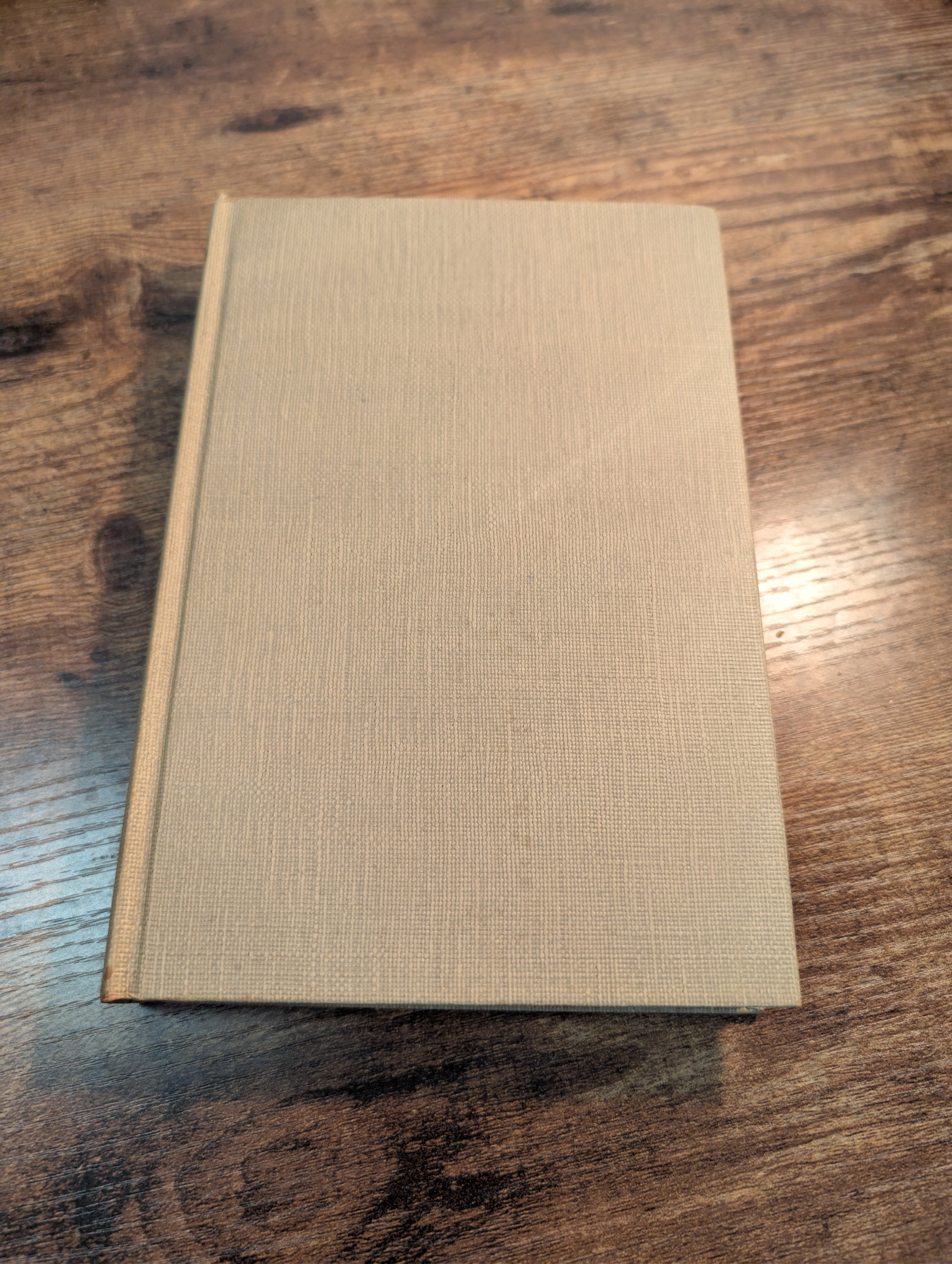
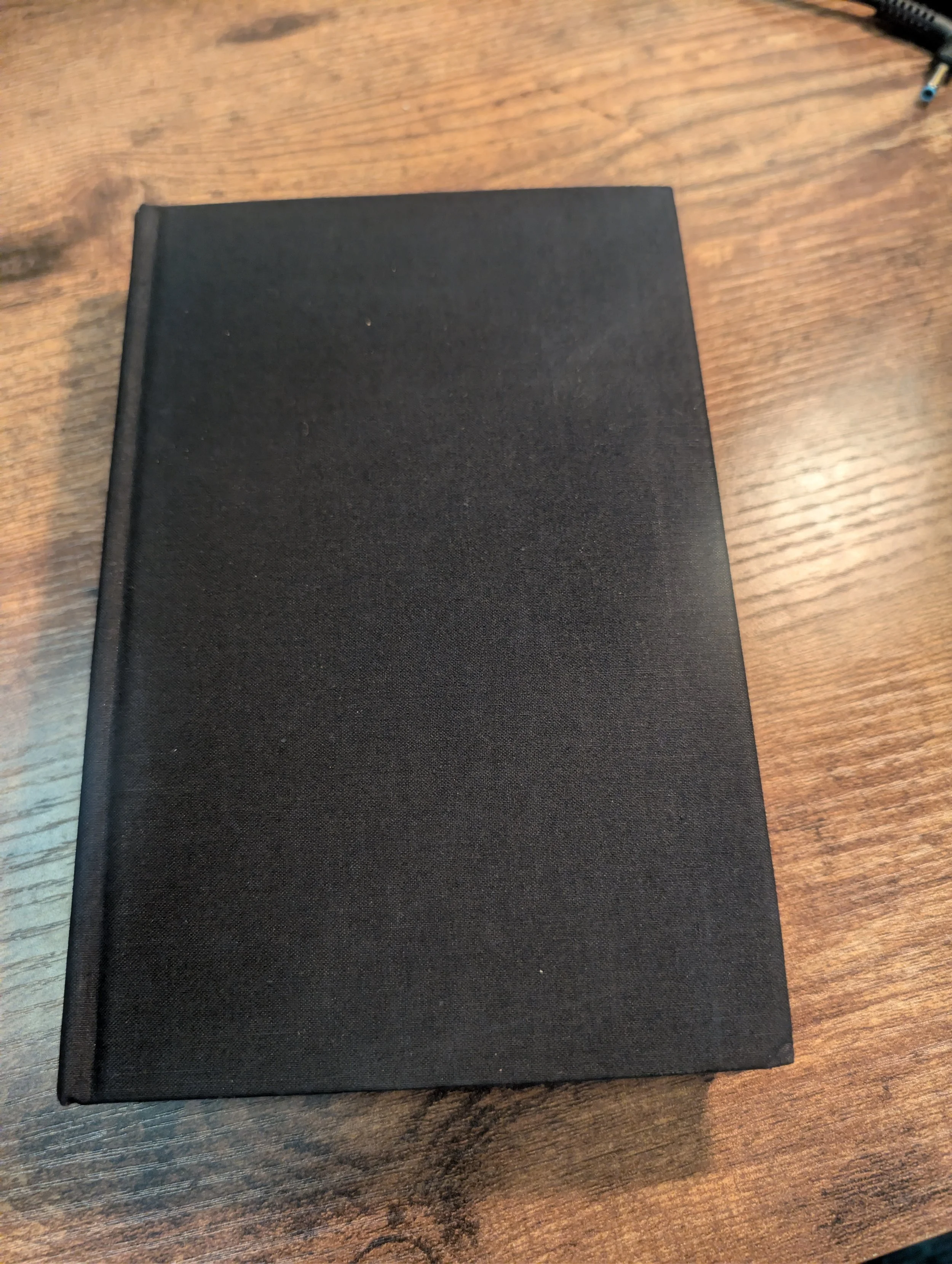
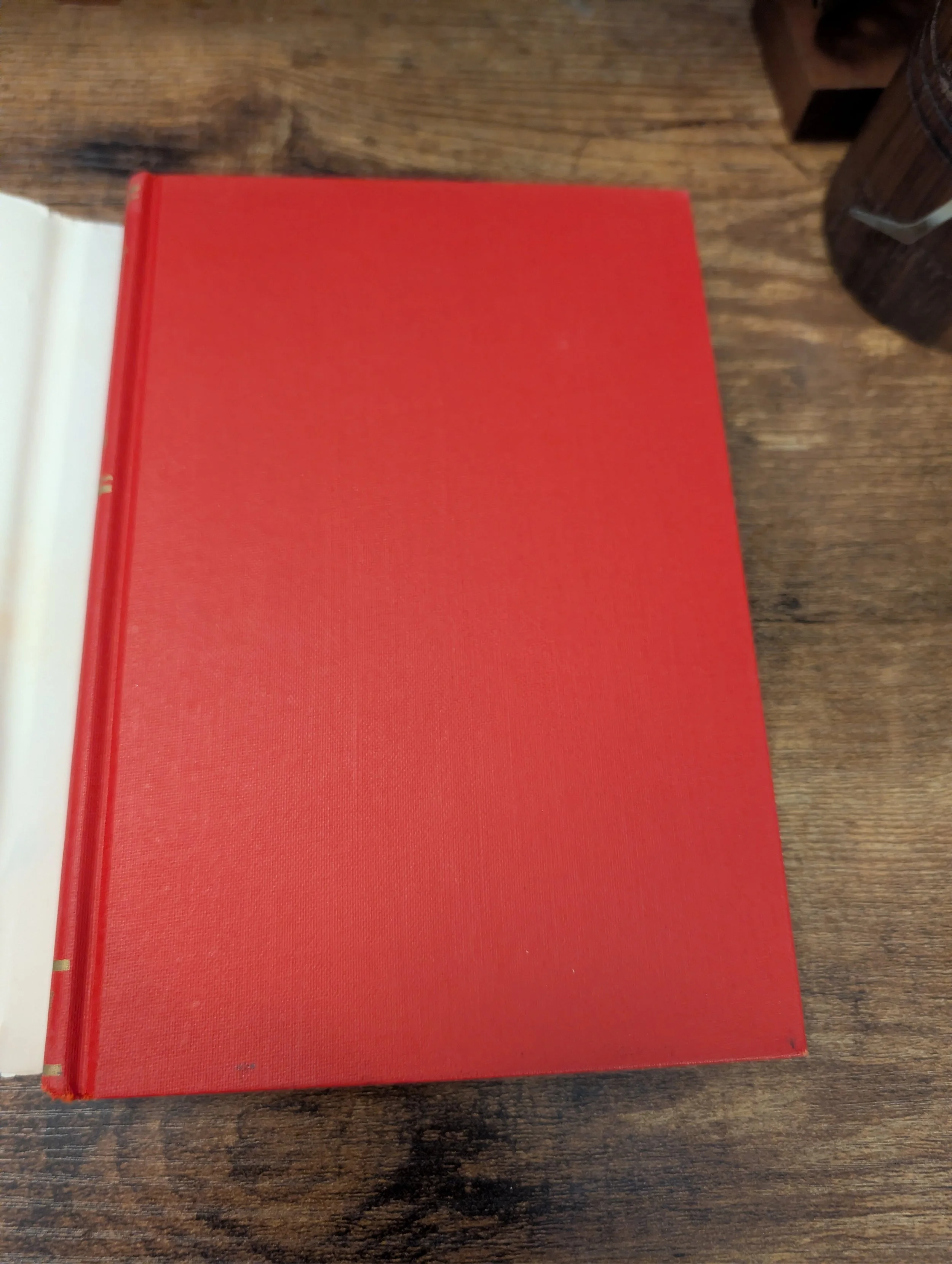
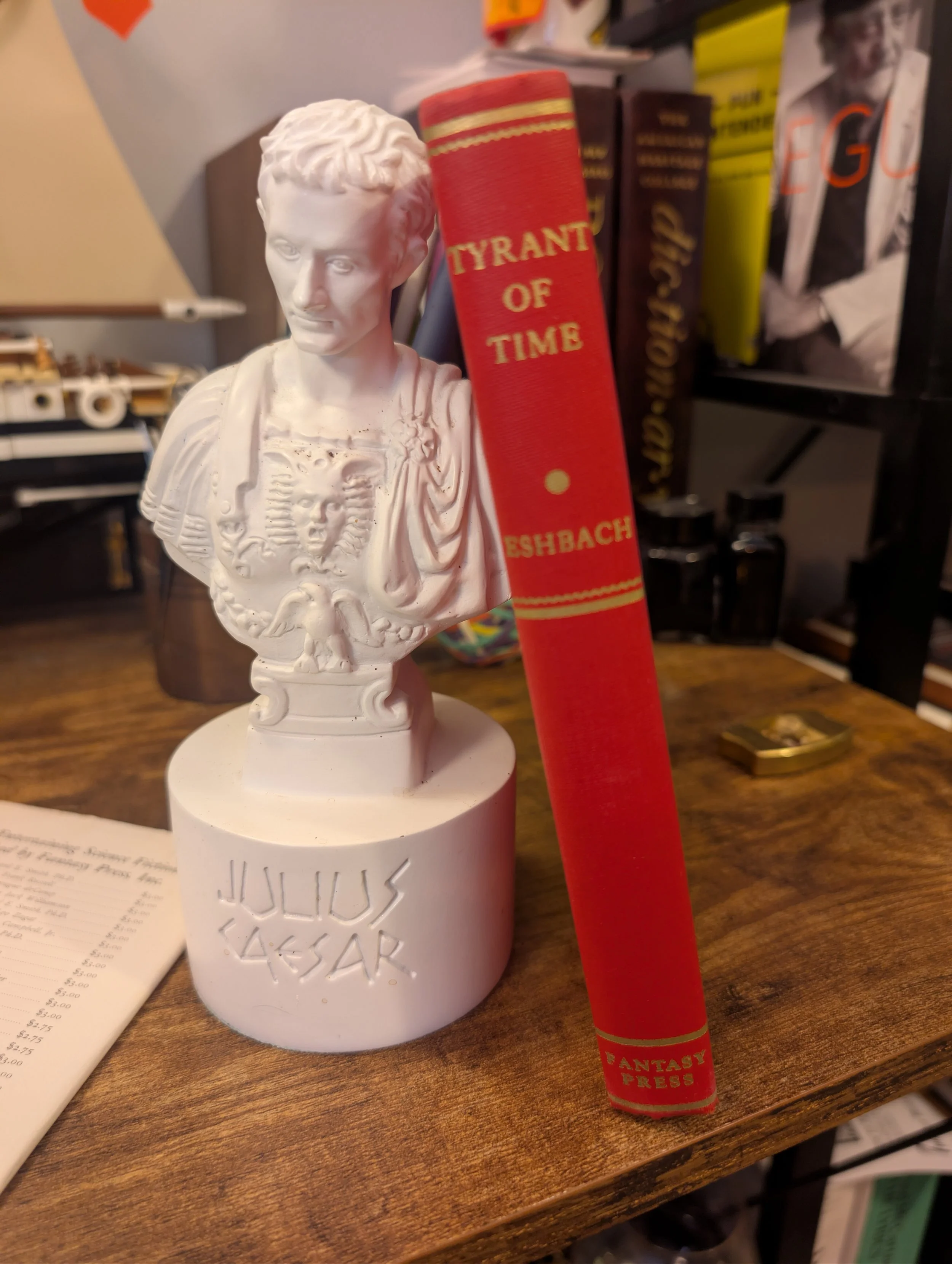
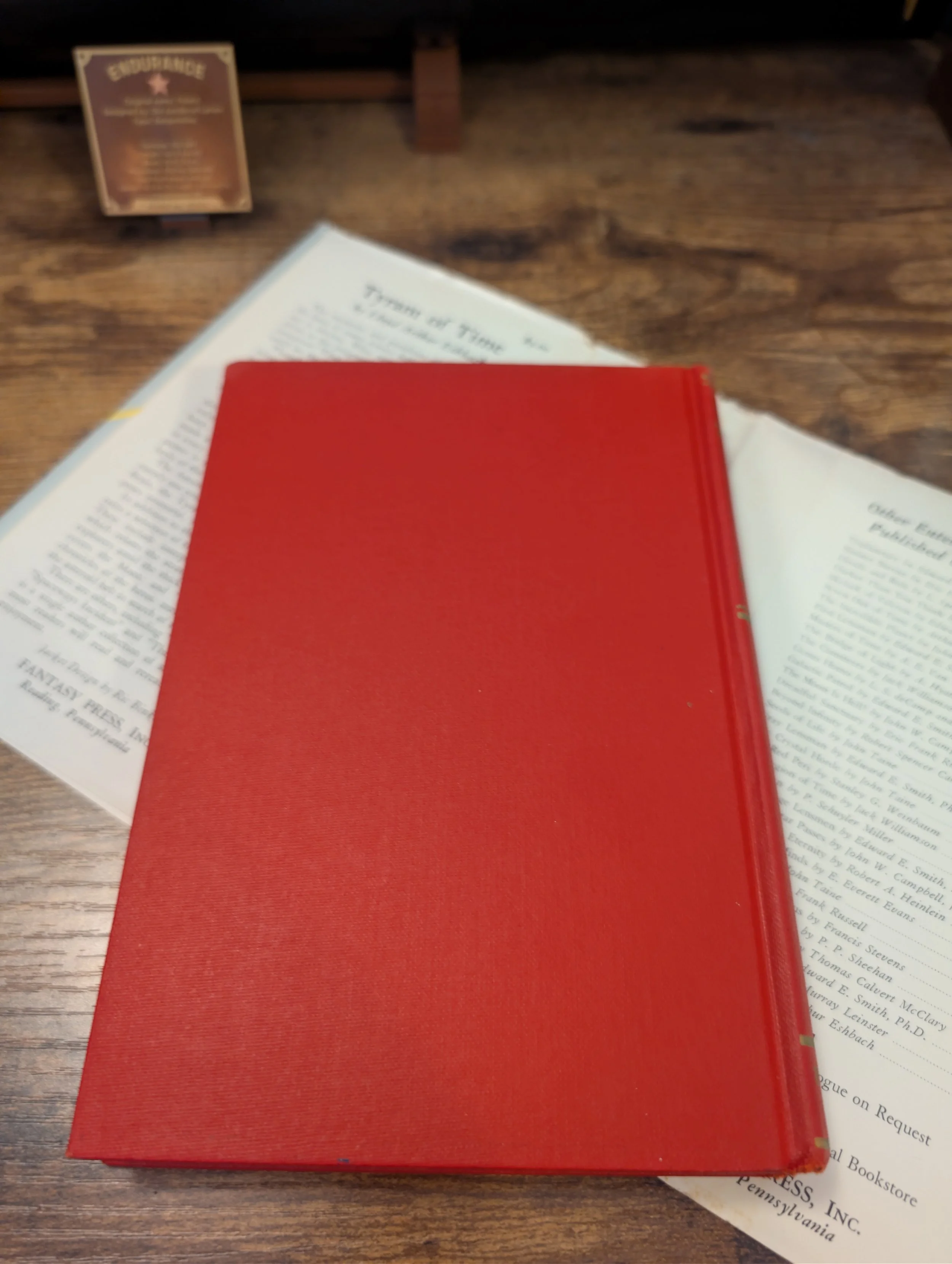
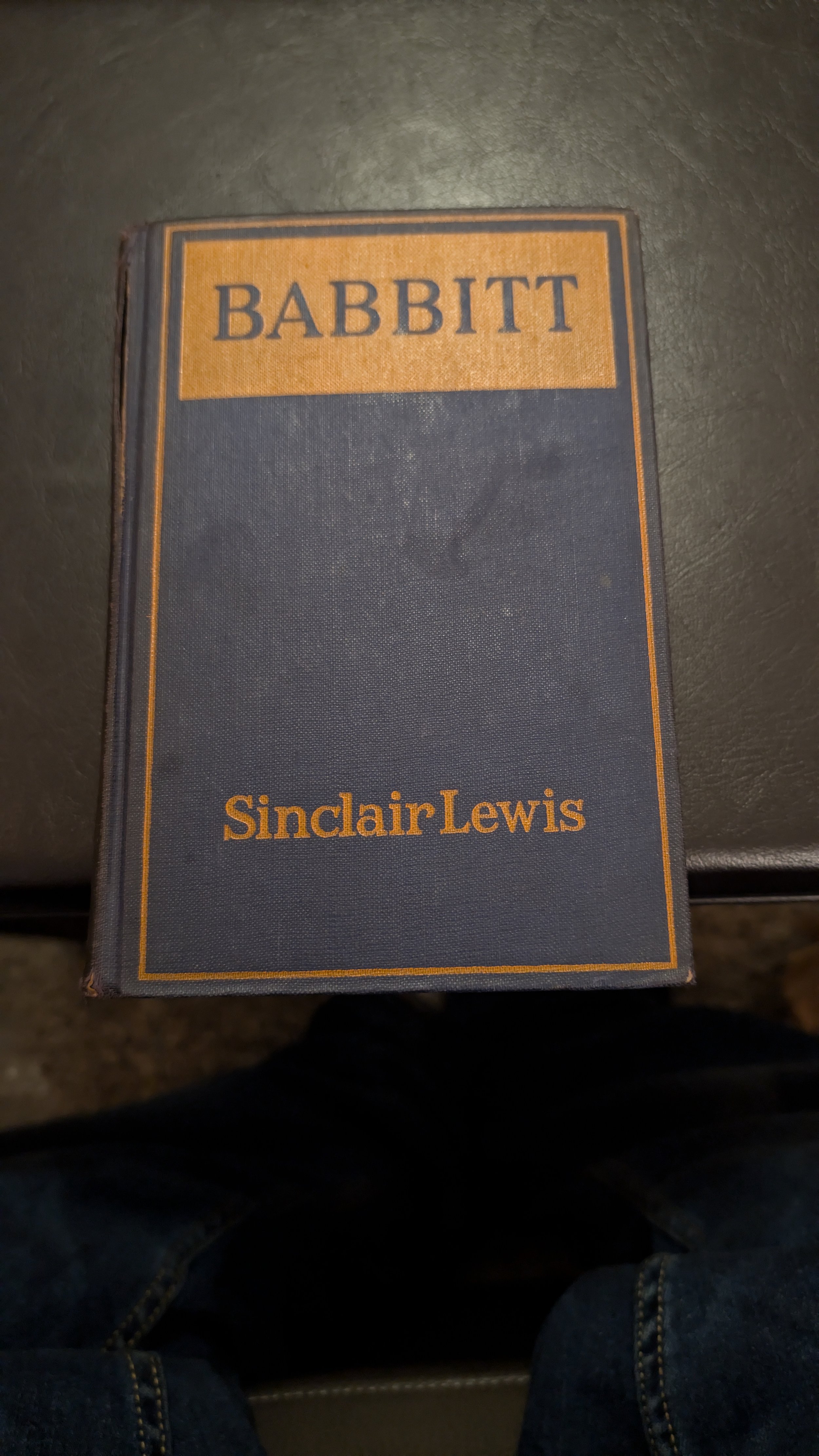
  • Binding: Original publisher's cloth featuring decorative Victorian stamping.

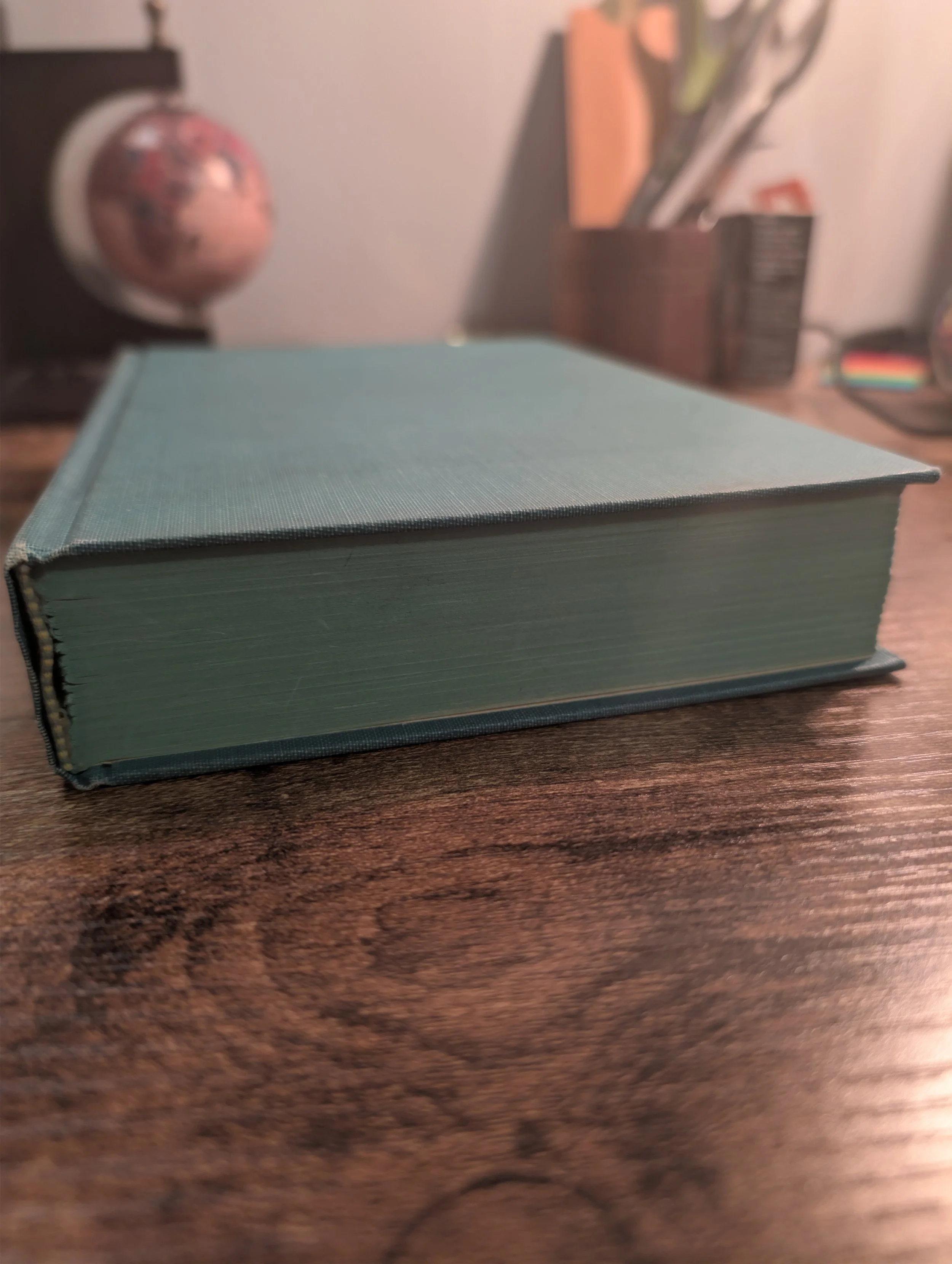
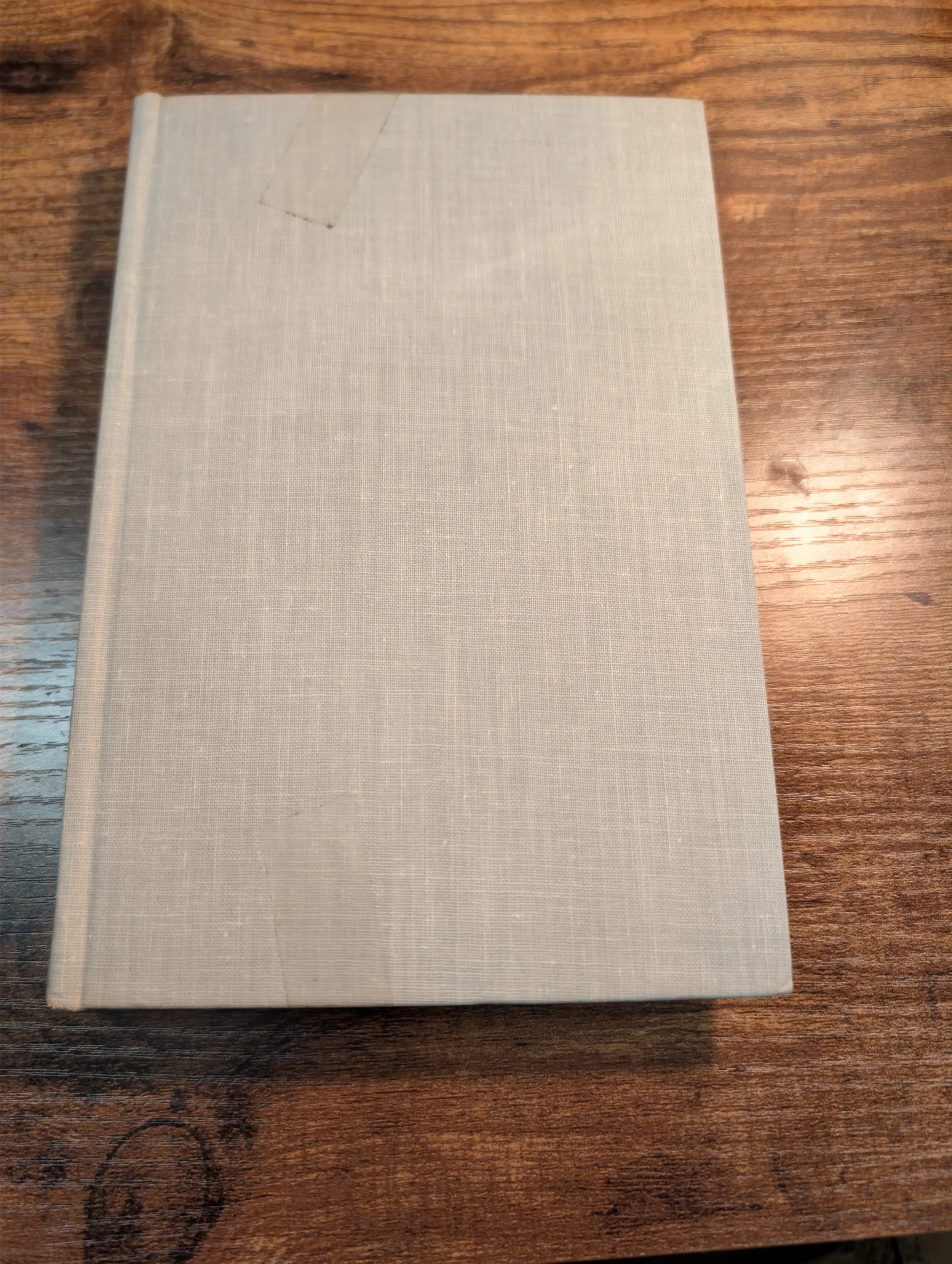
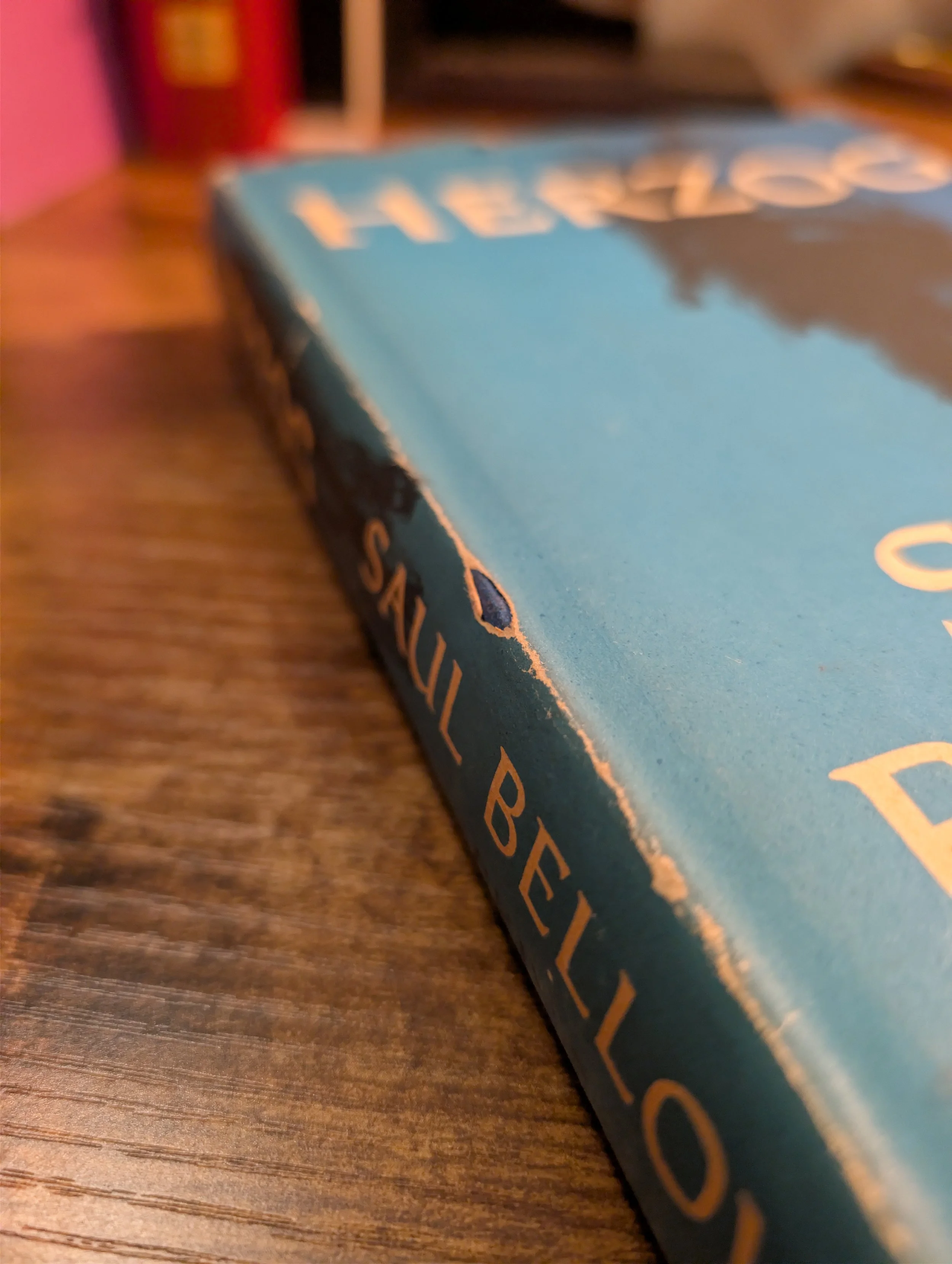
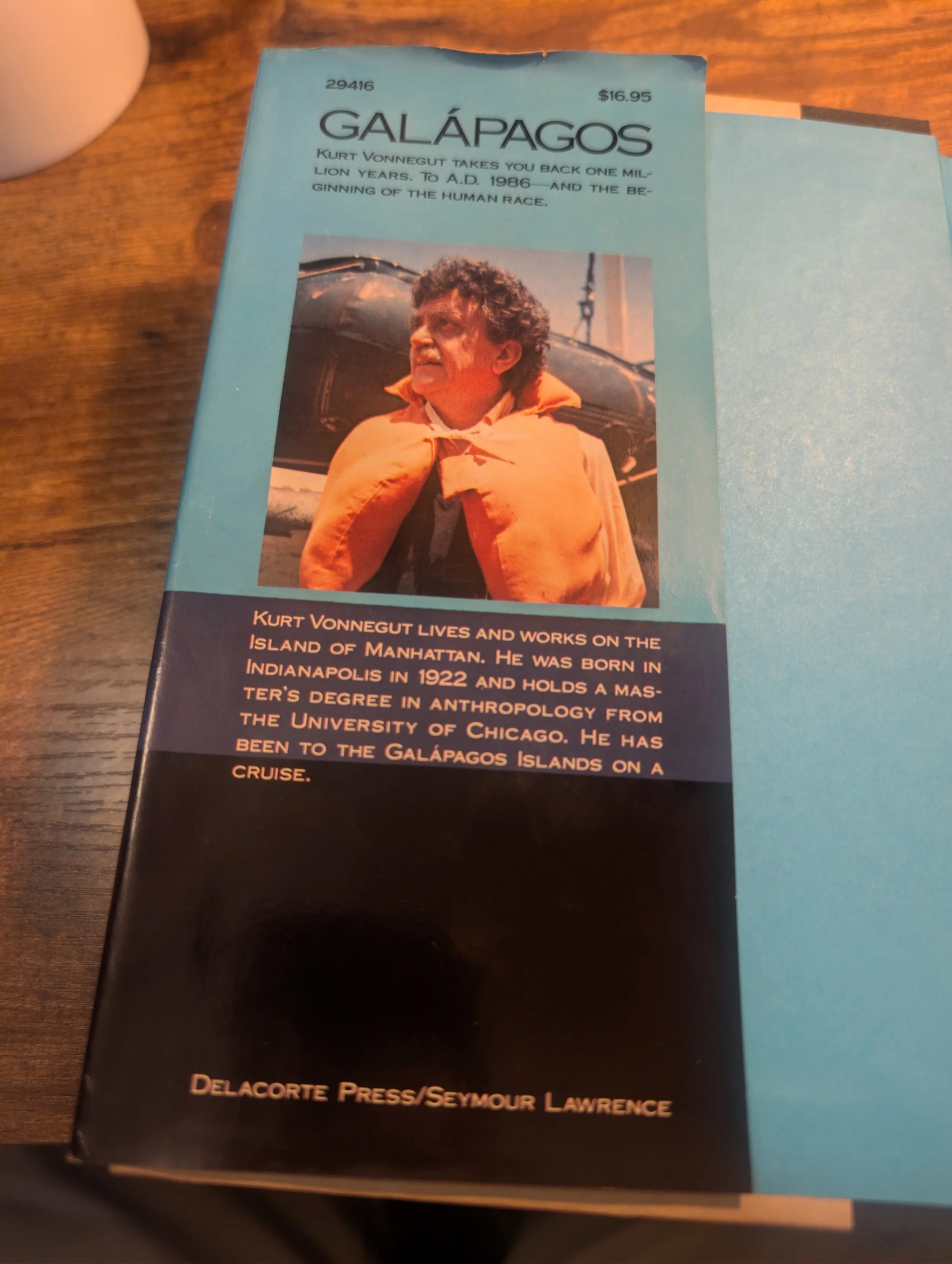
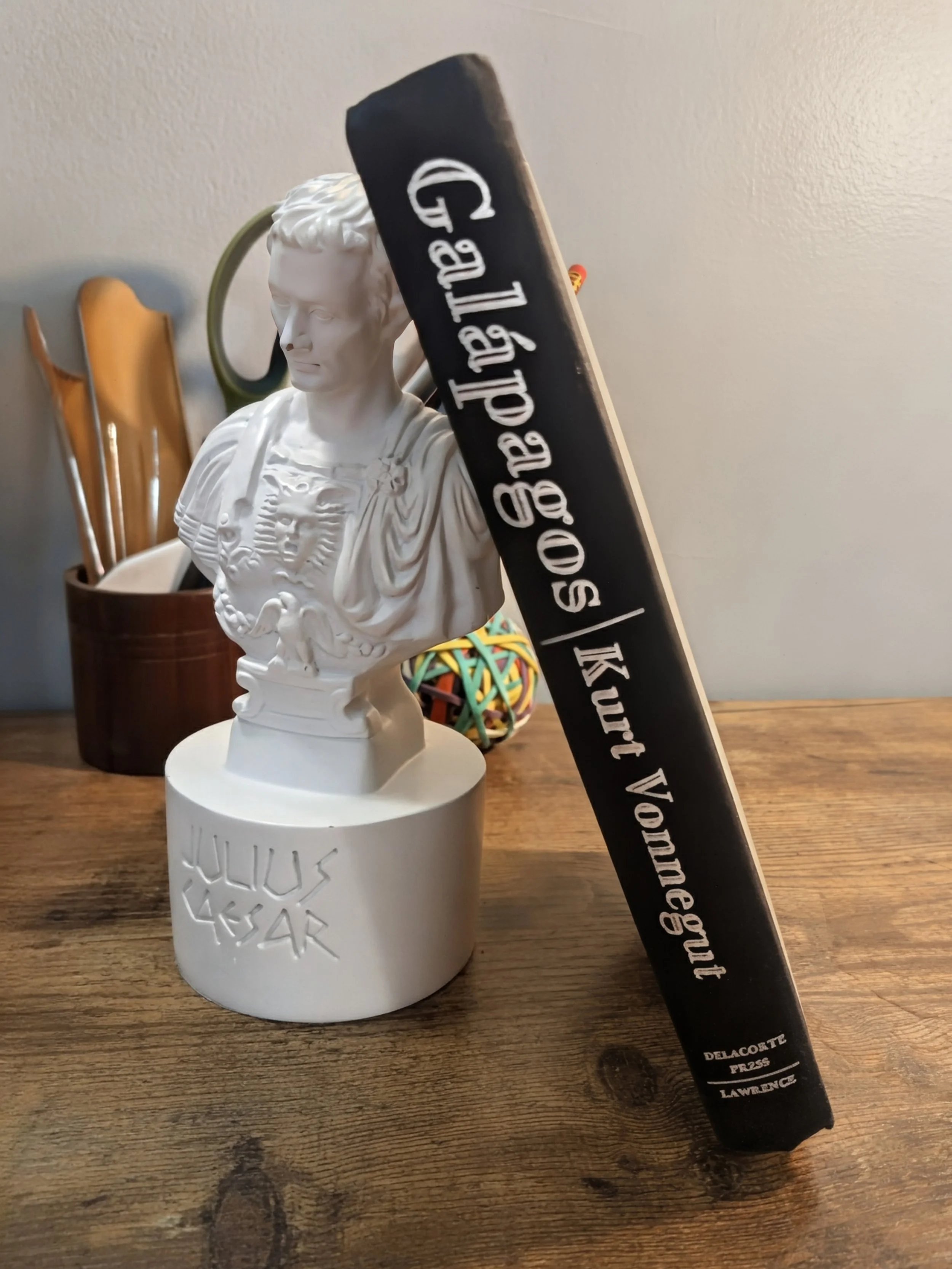
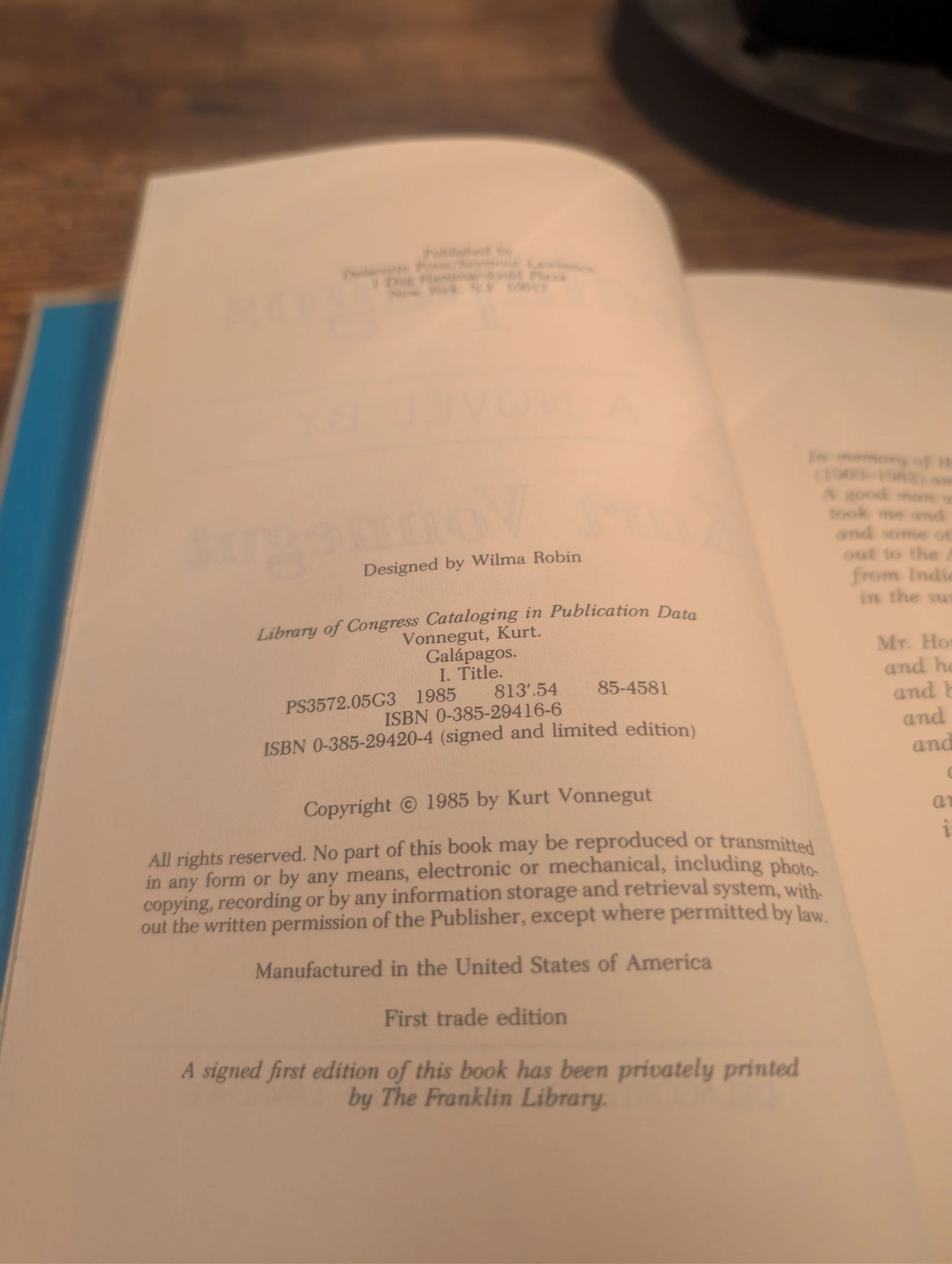
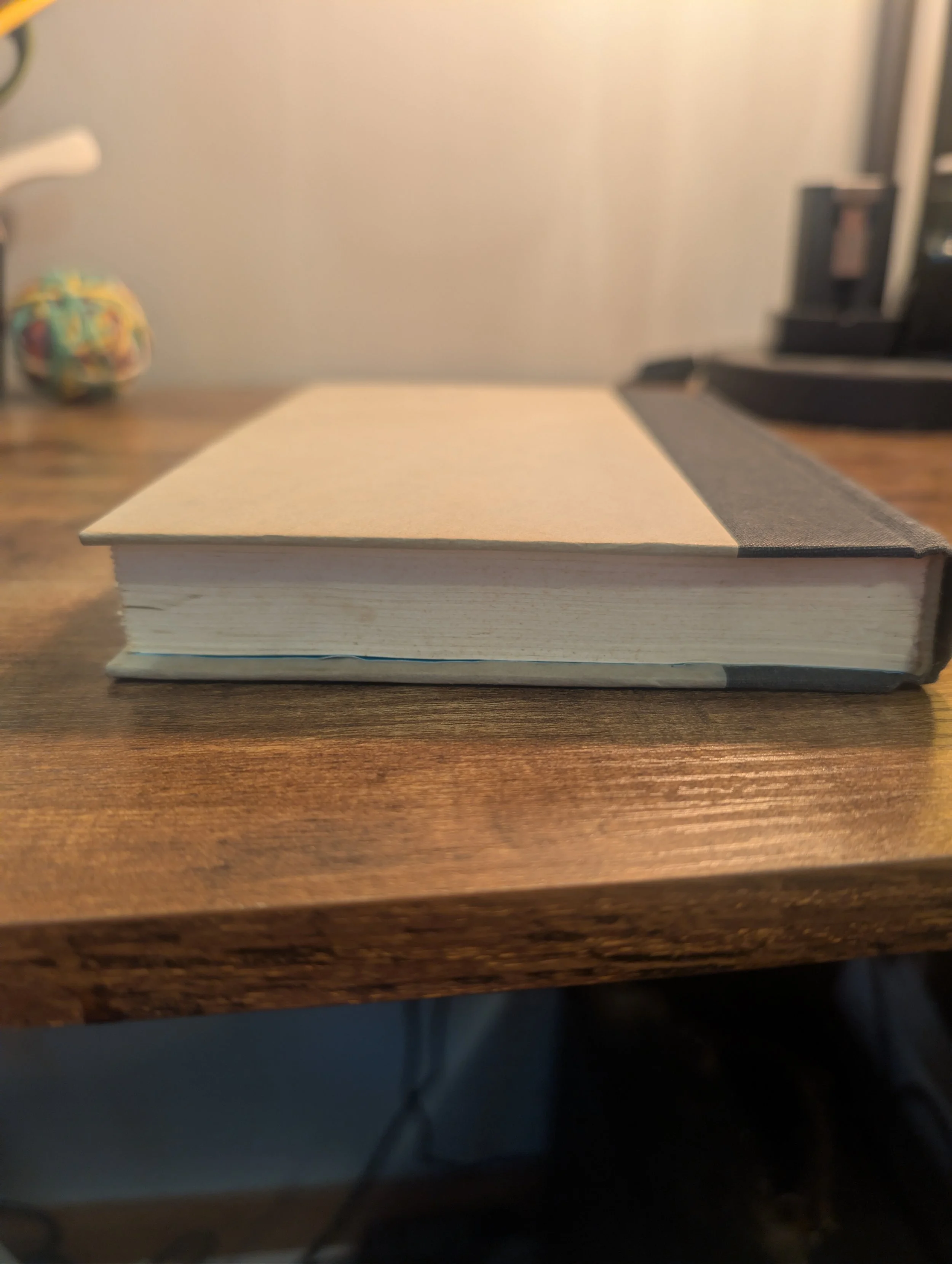
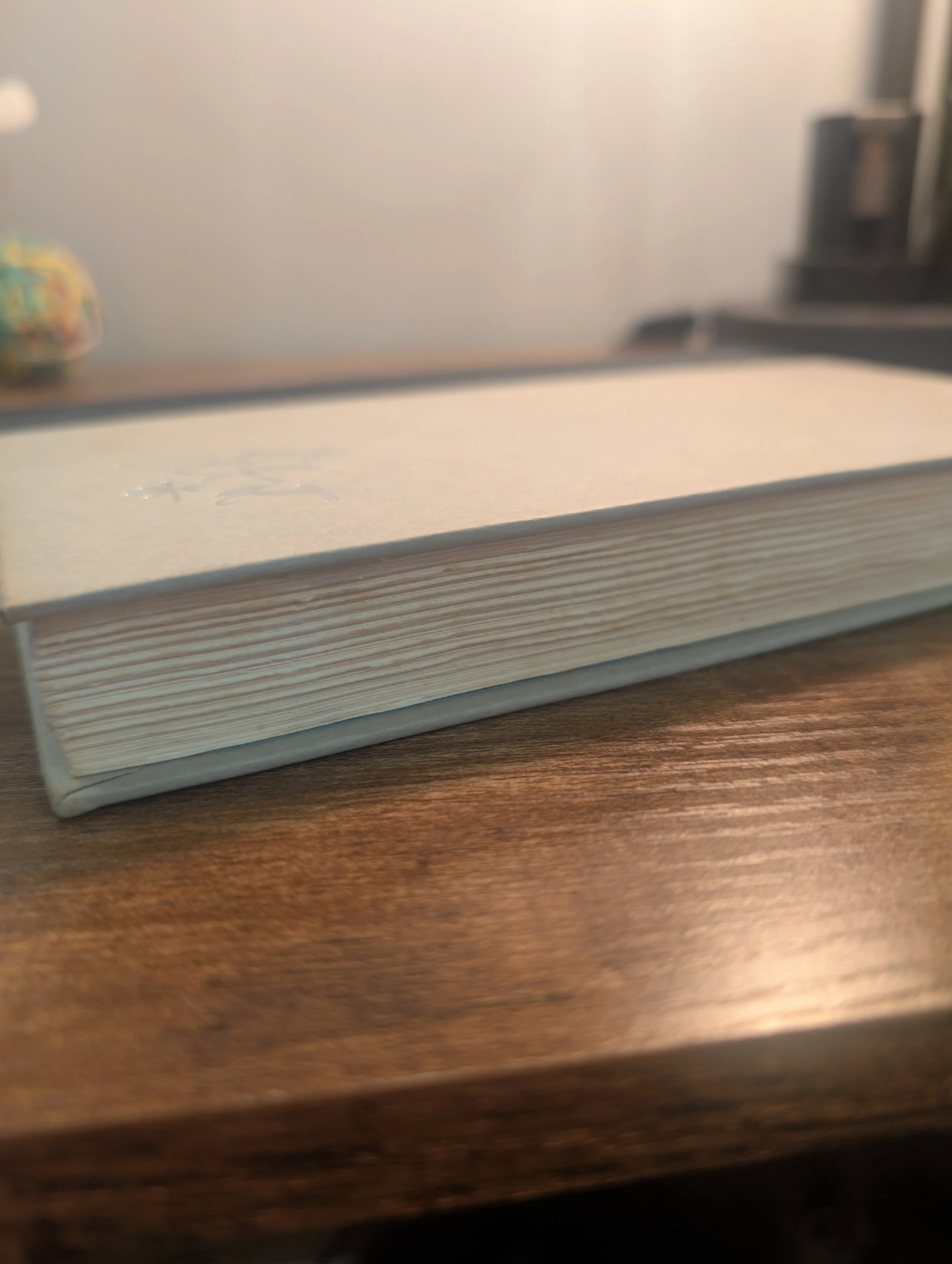
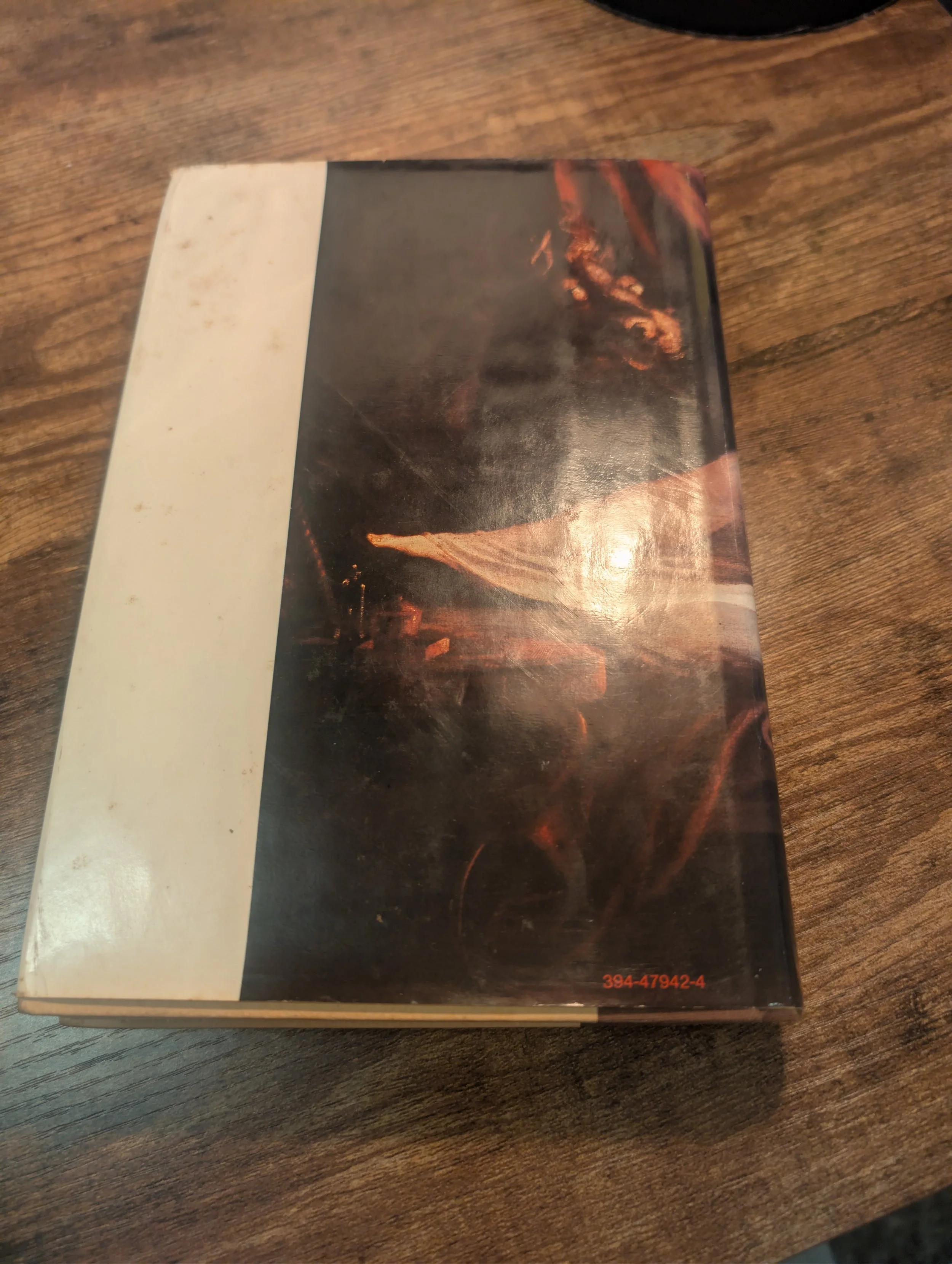
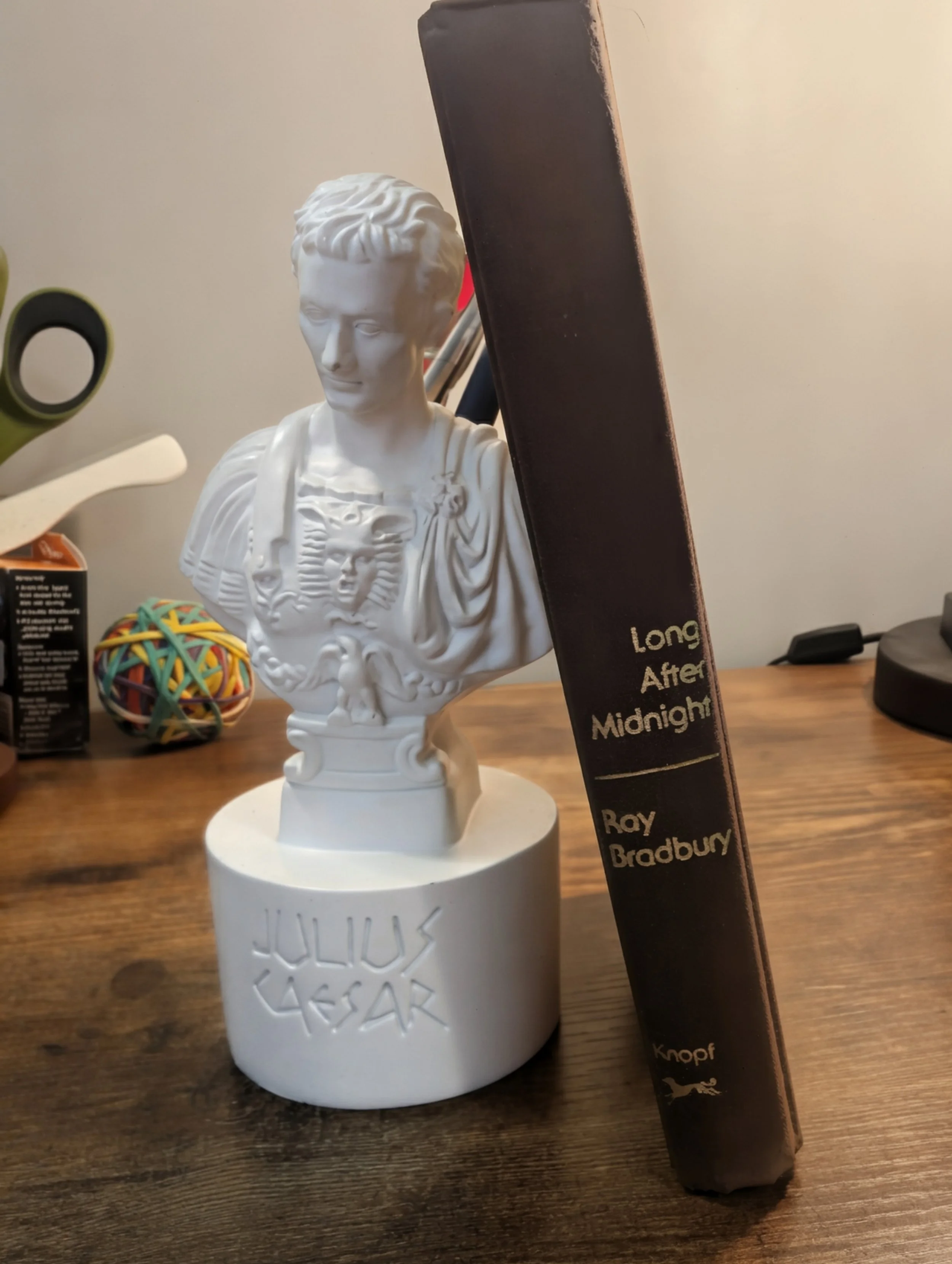
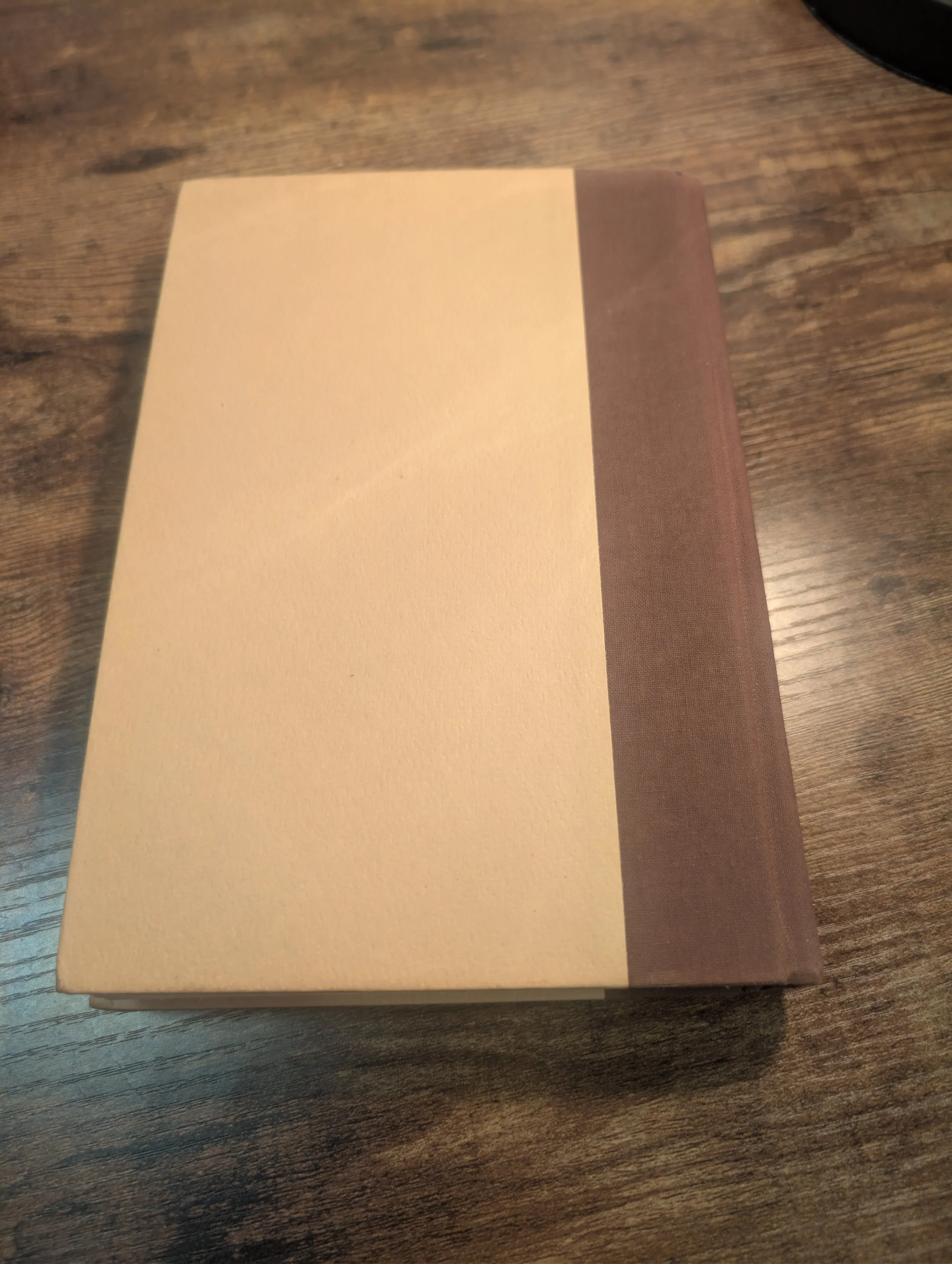
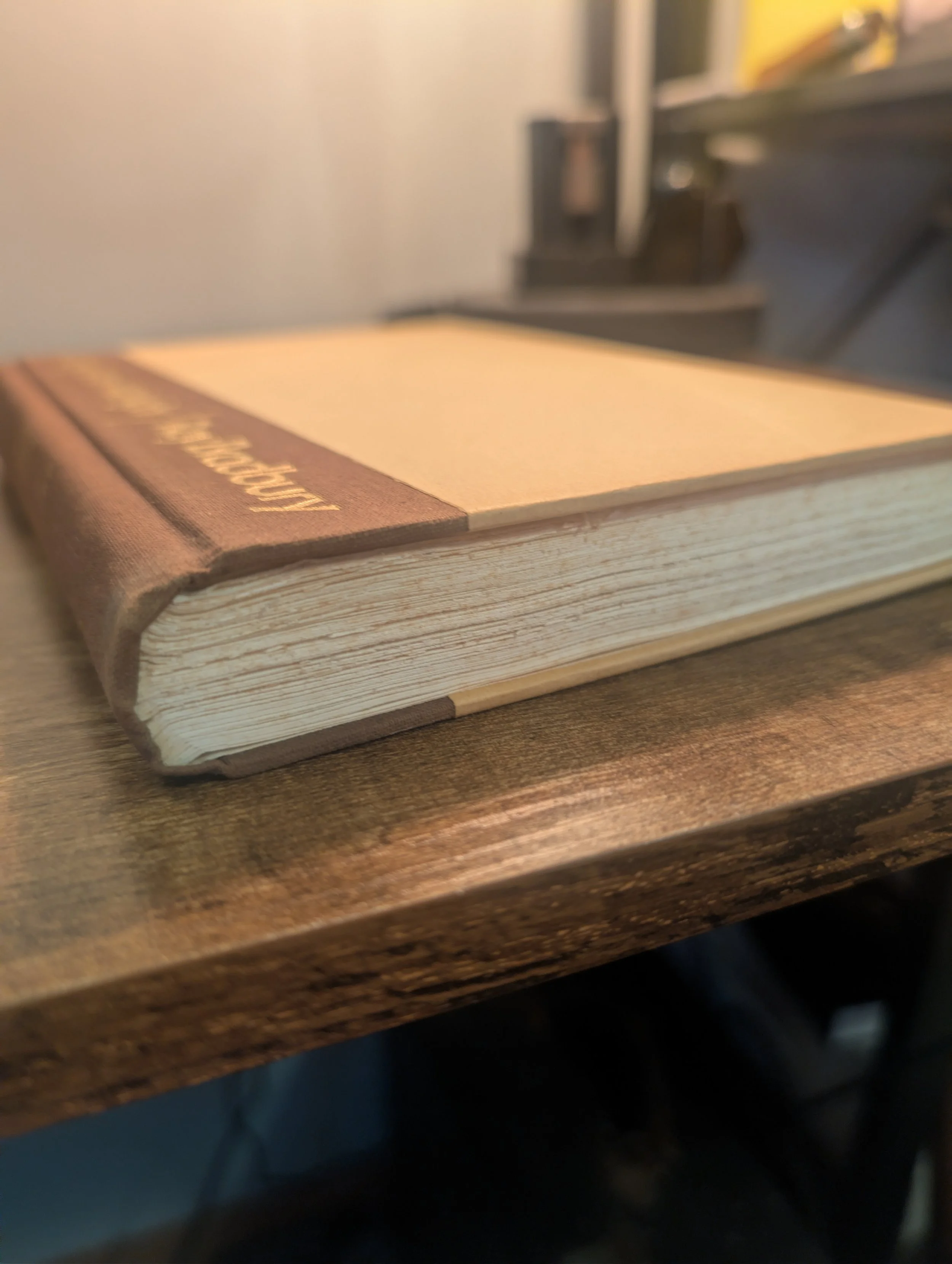
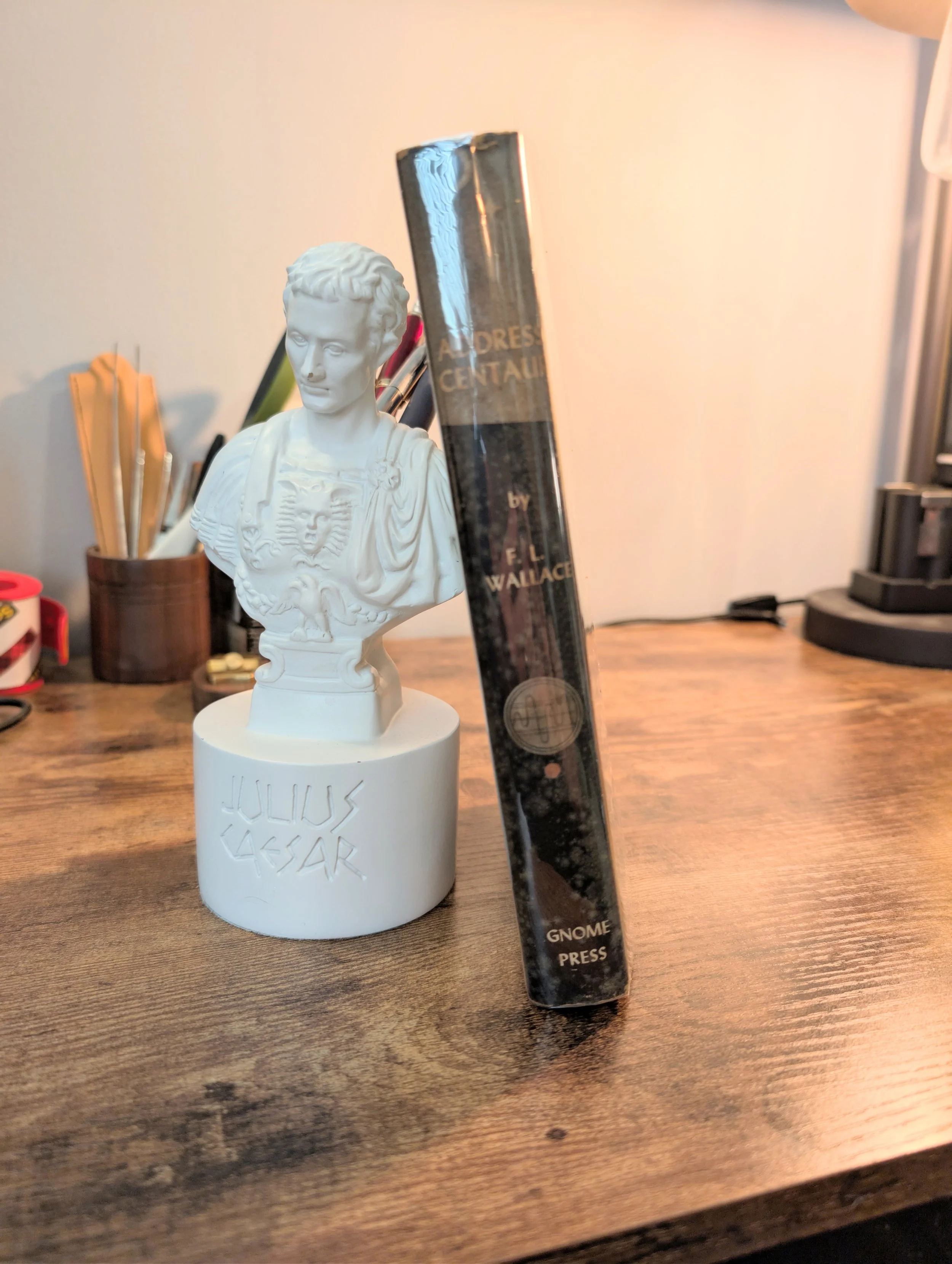
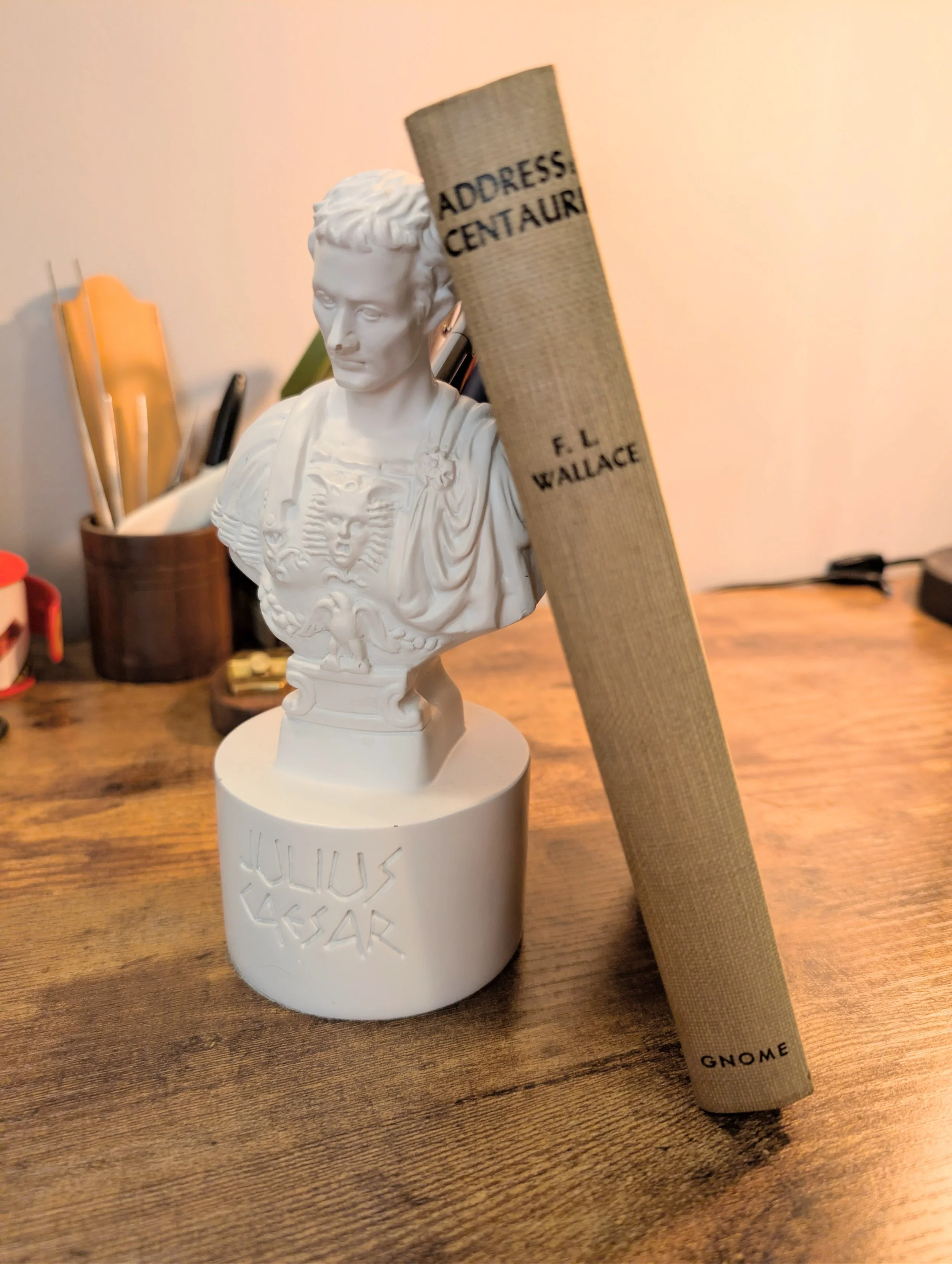
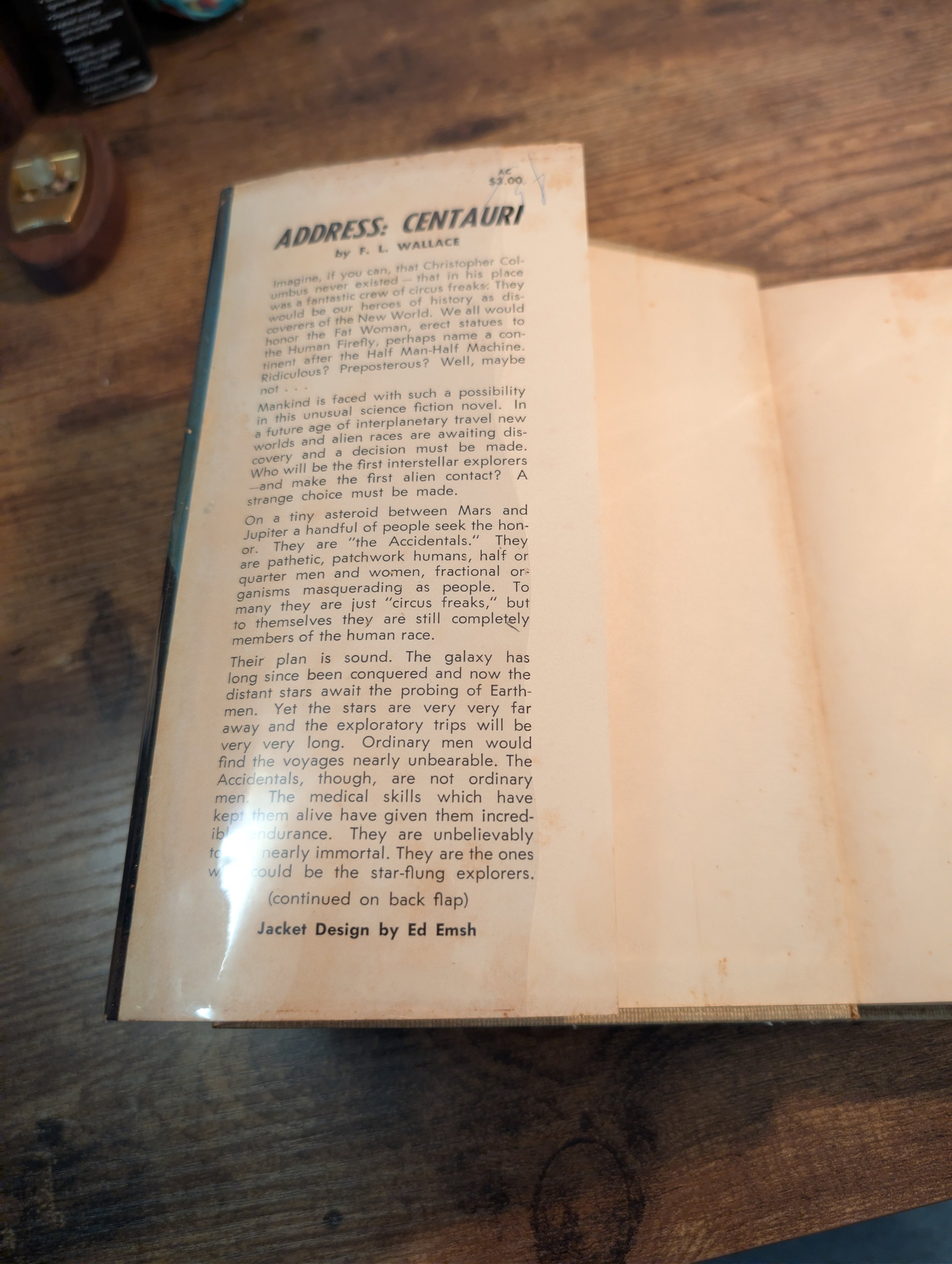
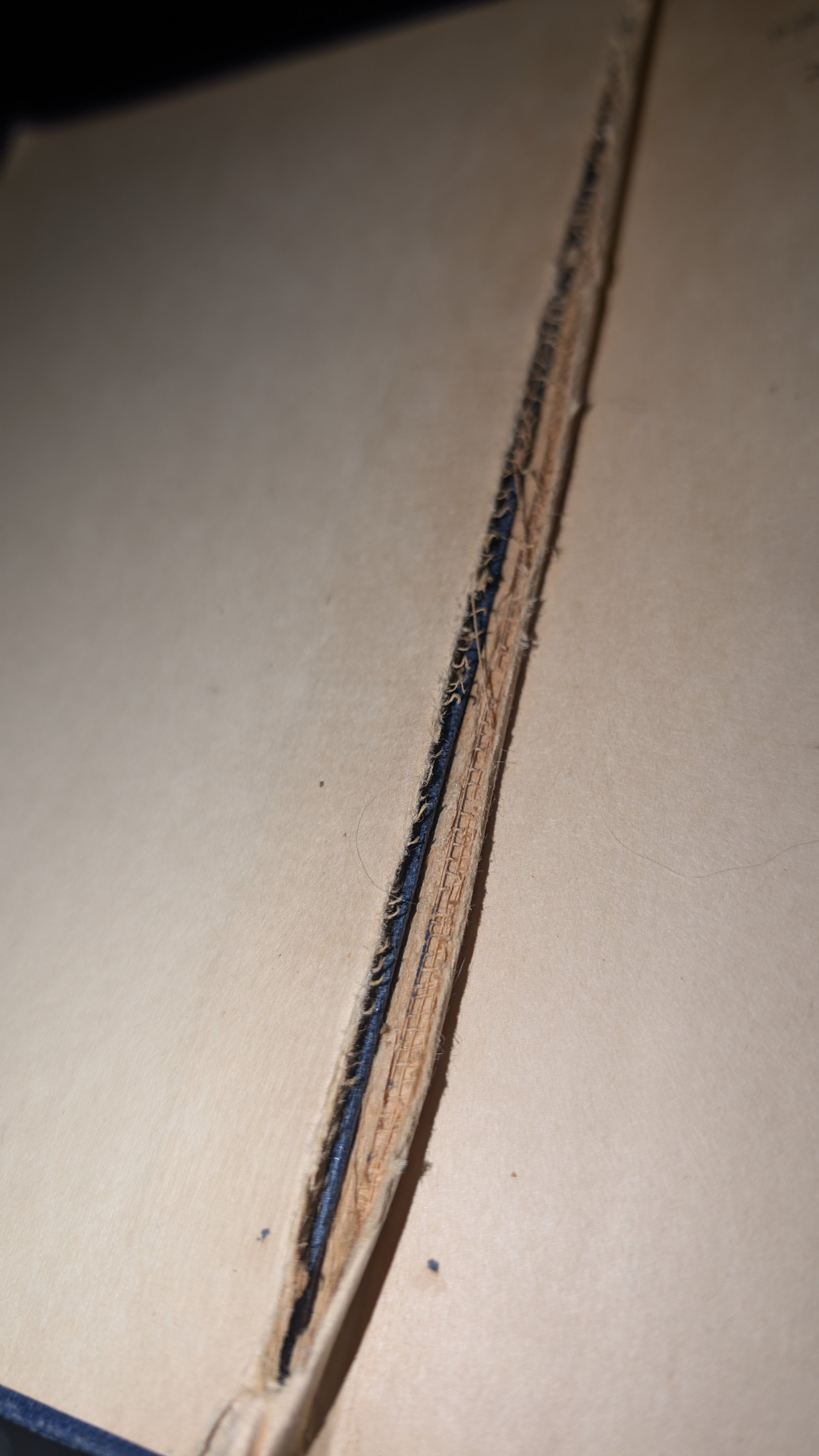
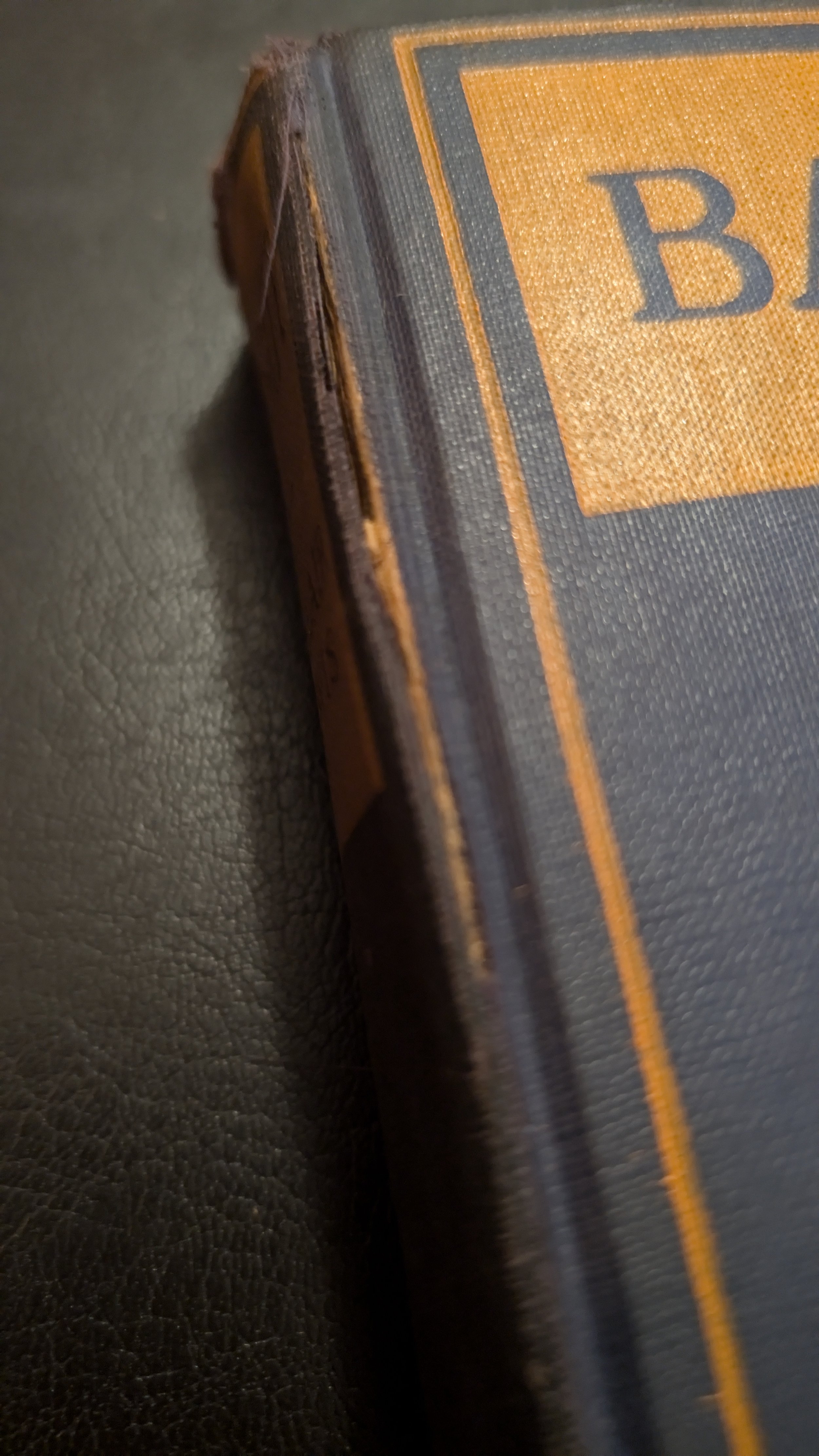
  • Condition Points: This copy is in Good condition and is featured in our "Curious Copies" collection. The boards exhibit age-appropriate fading and staining. There is a small tear at the bottom of the spine cloth. Condition Note: Unlike many Altemus copies of this age, all pages remain fully intact and attached to the binding.

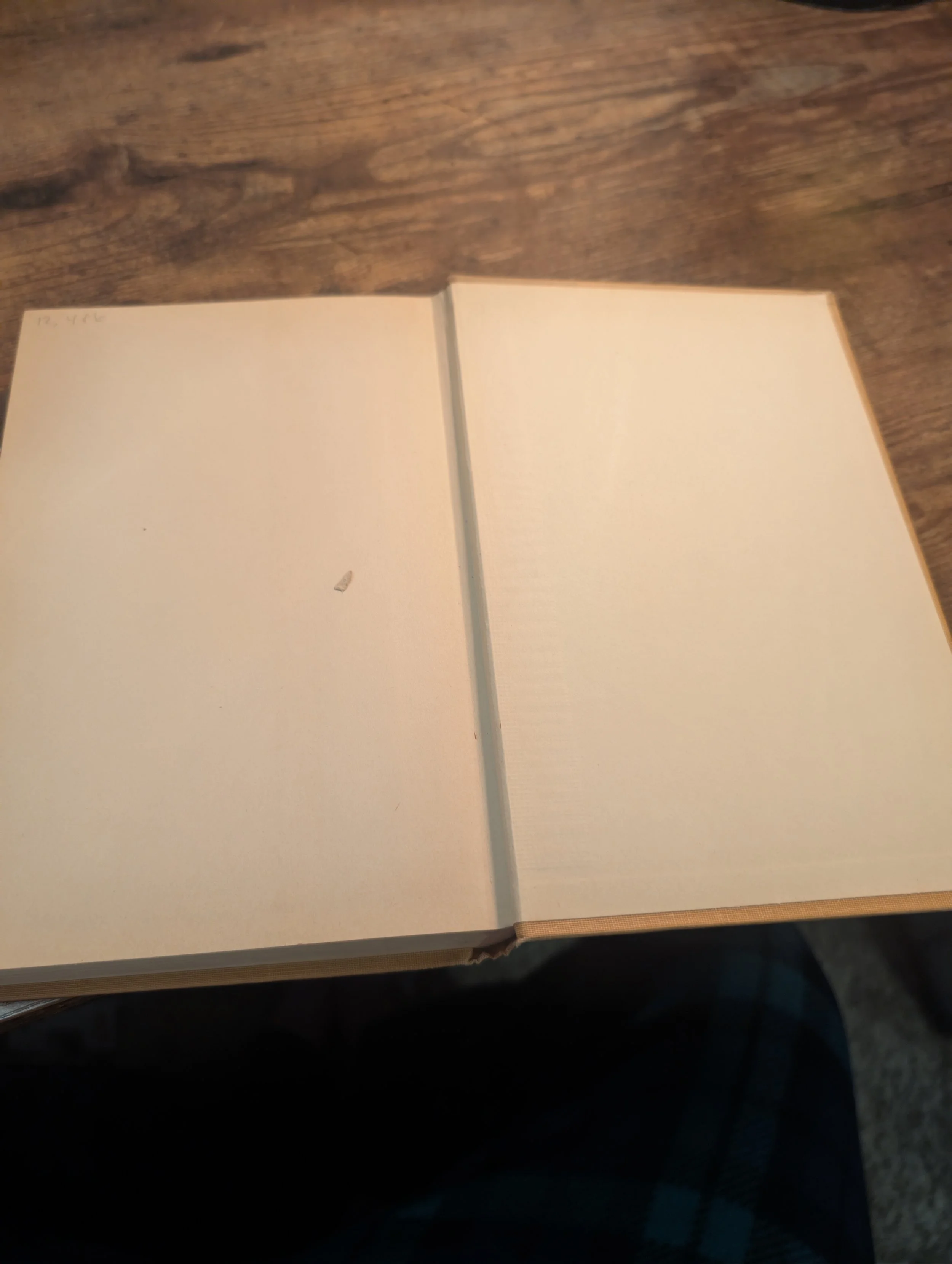
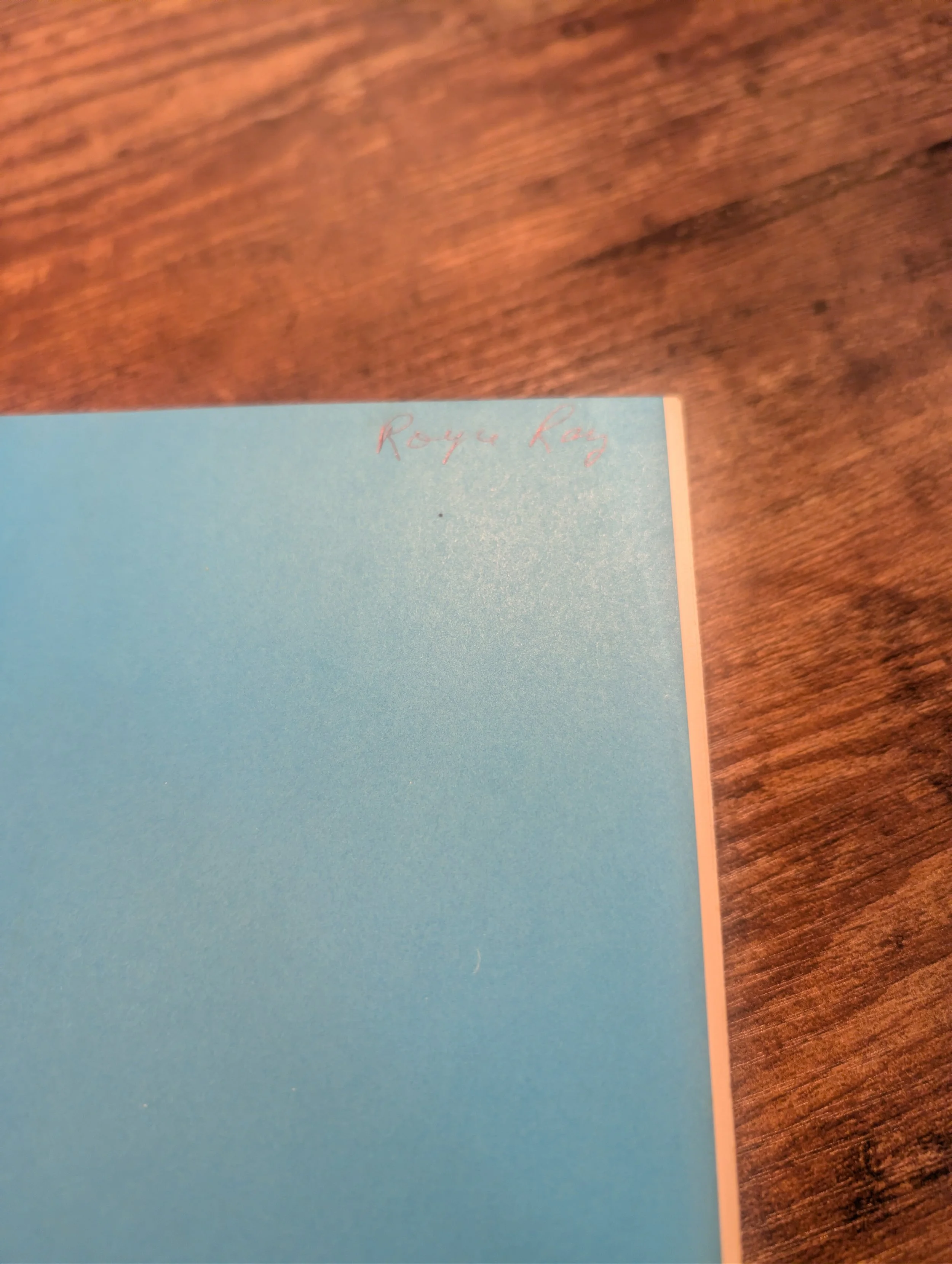
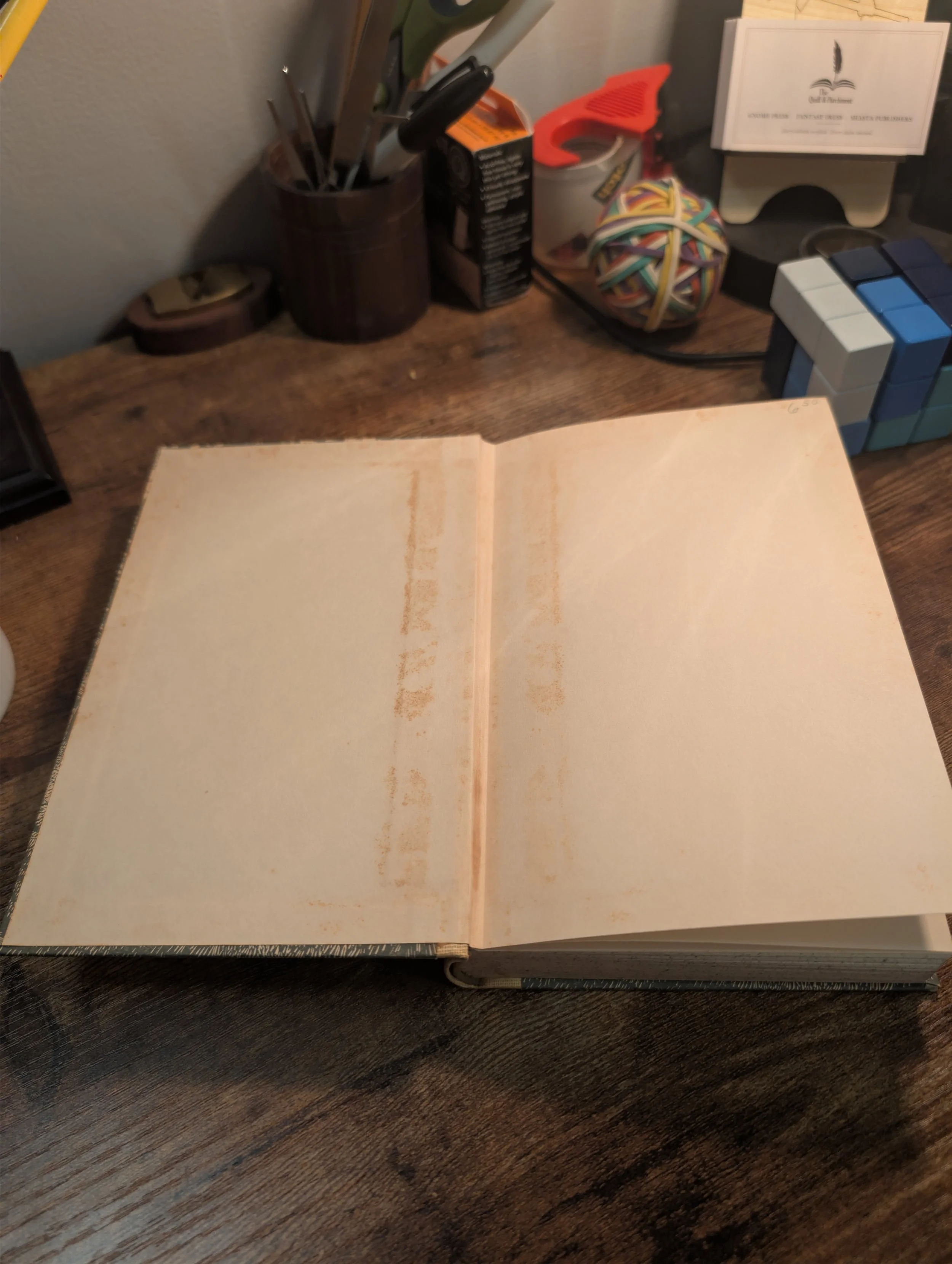
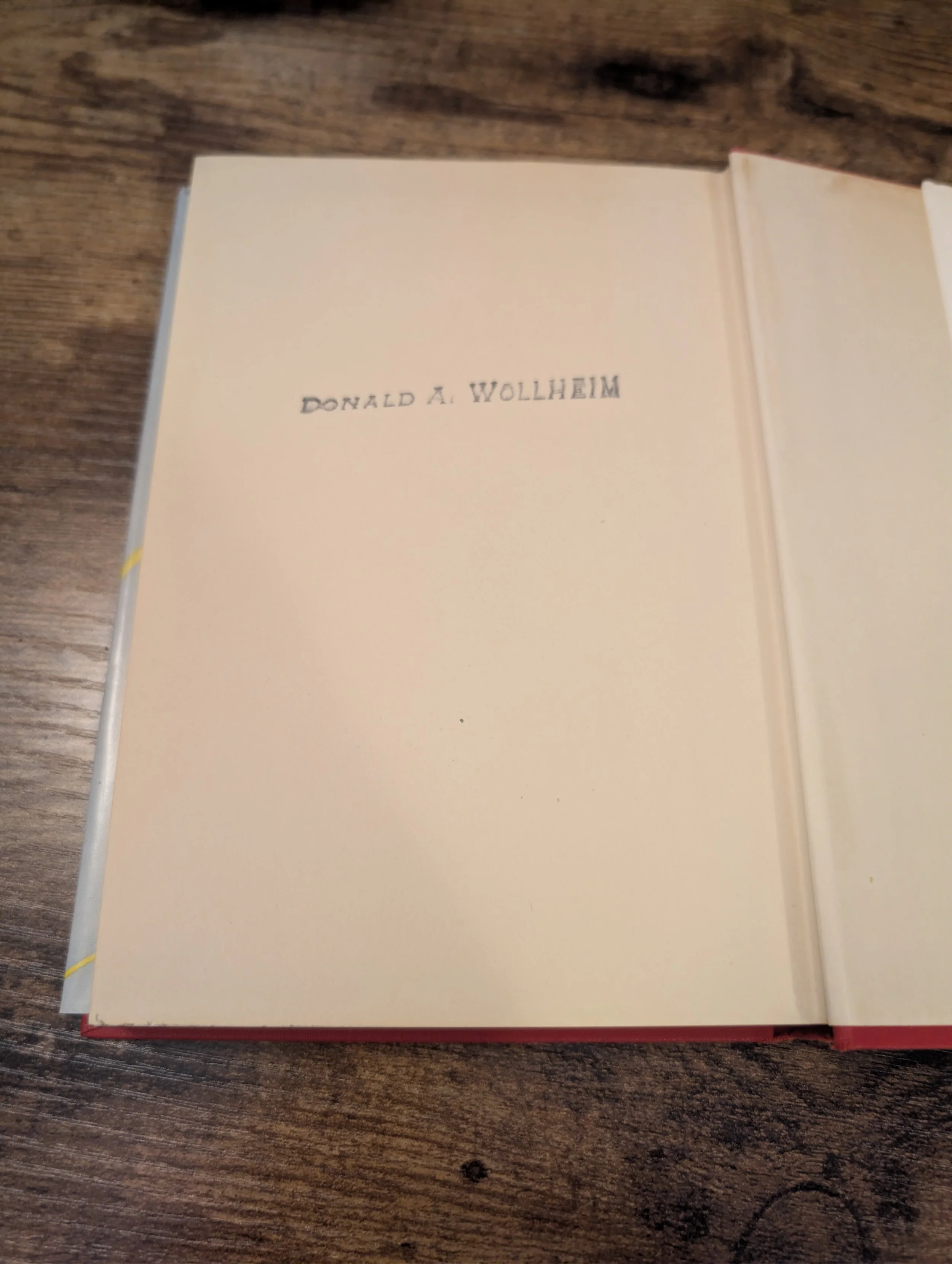
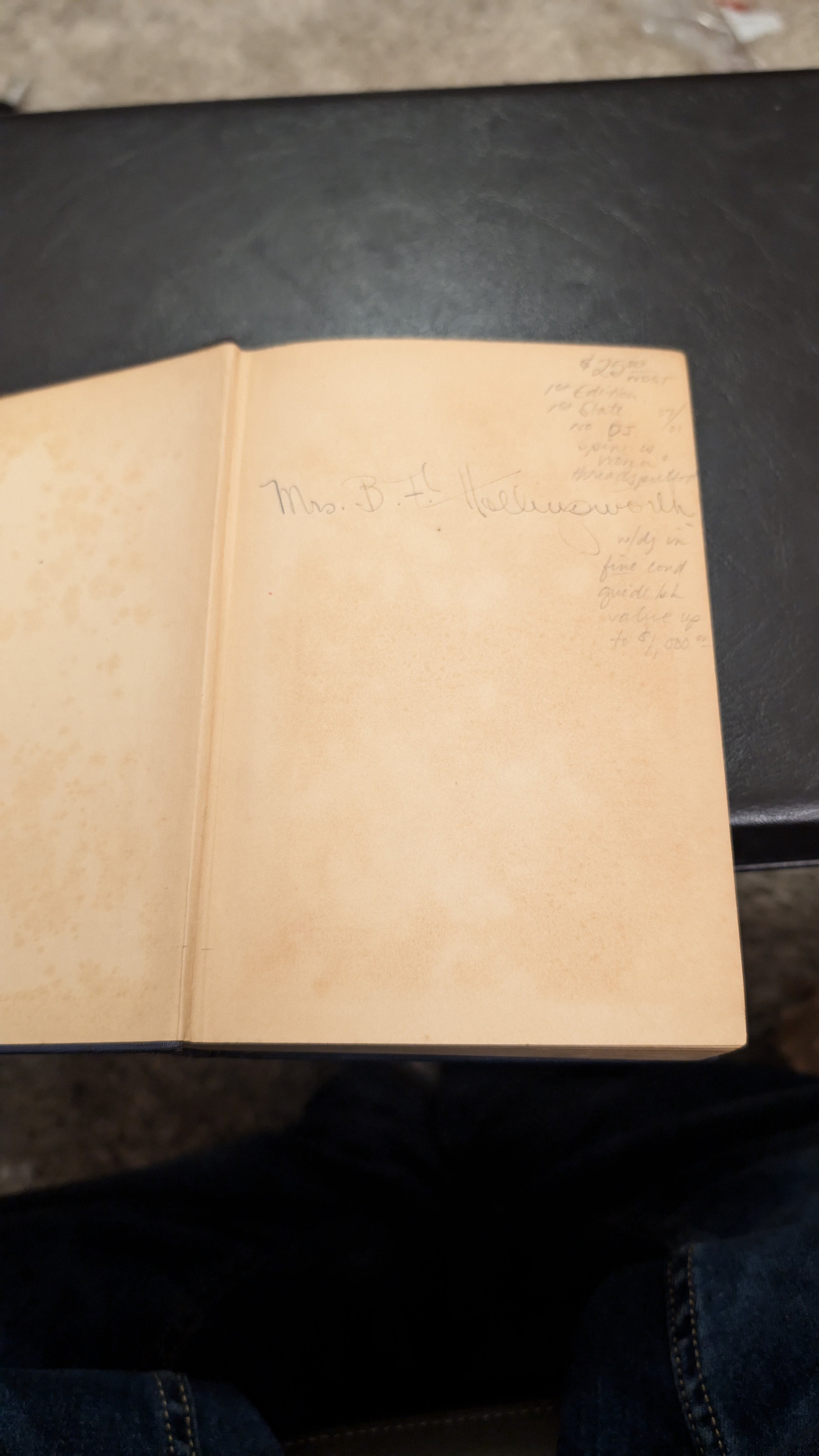
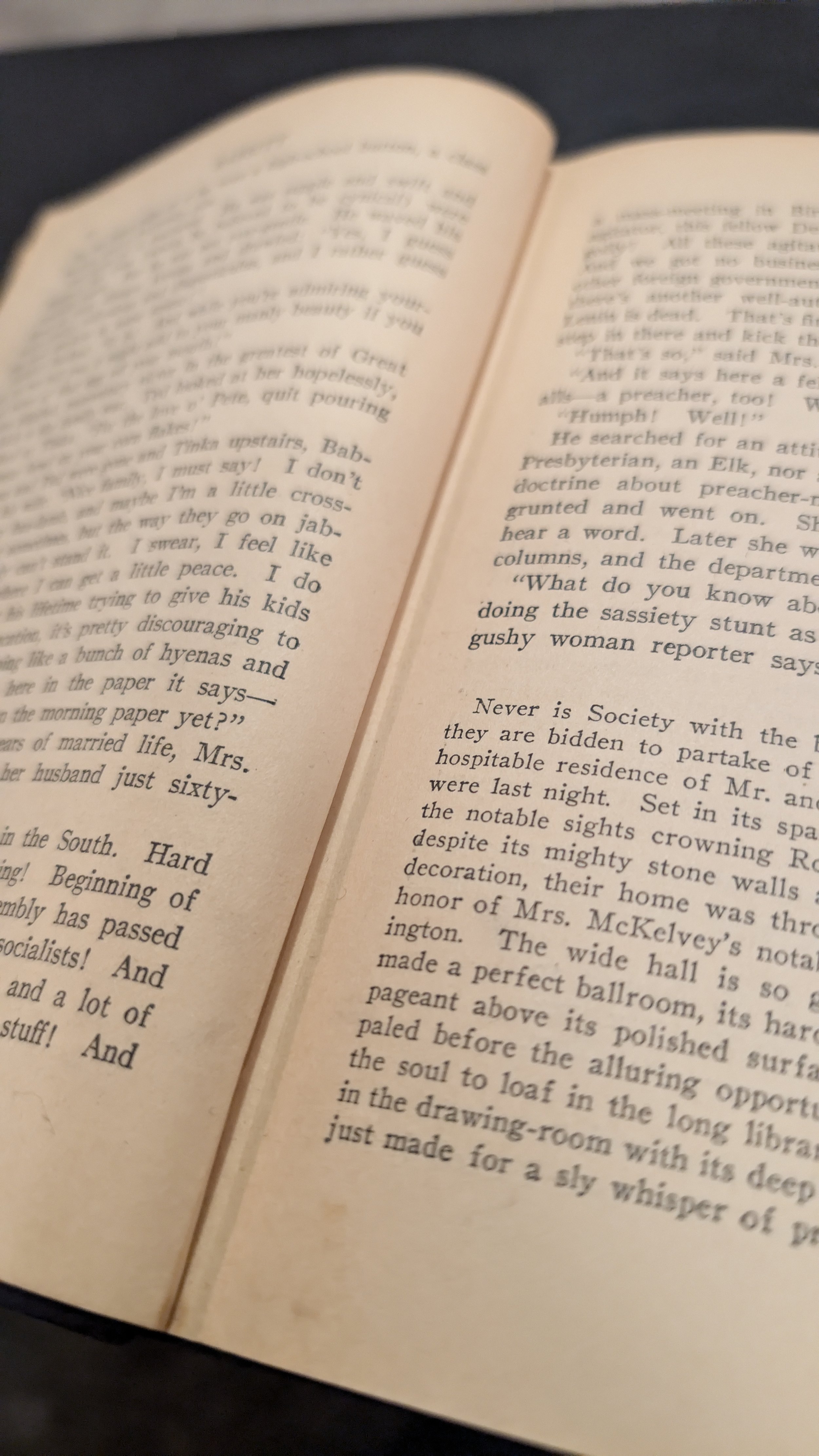
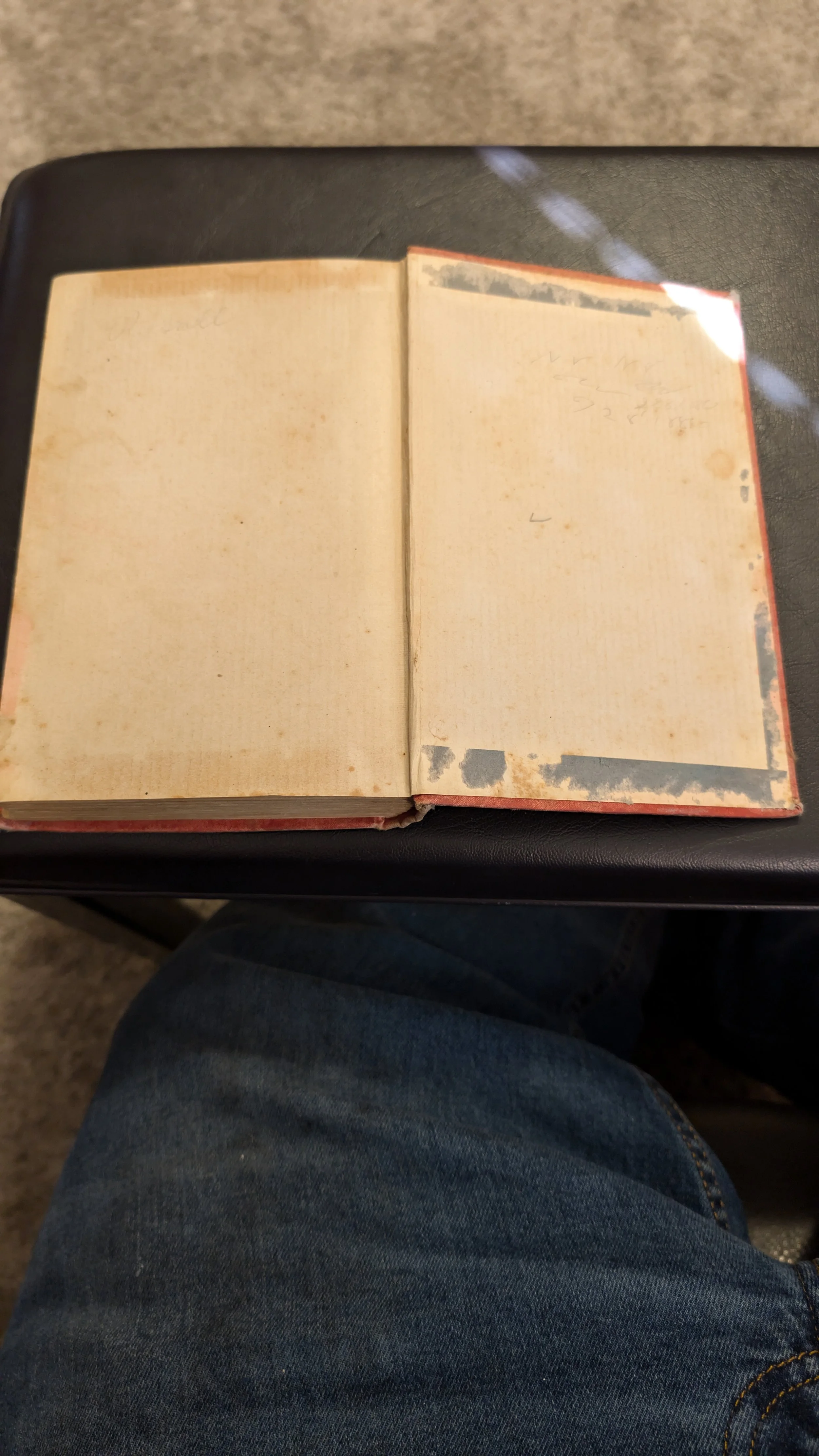
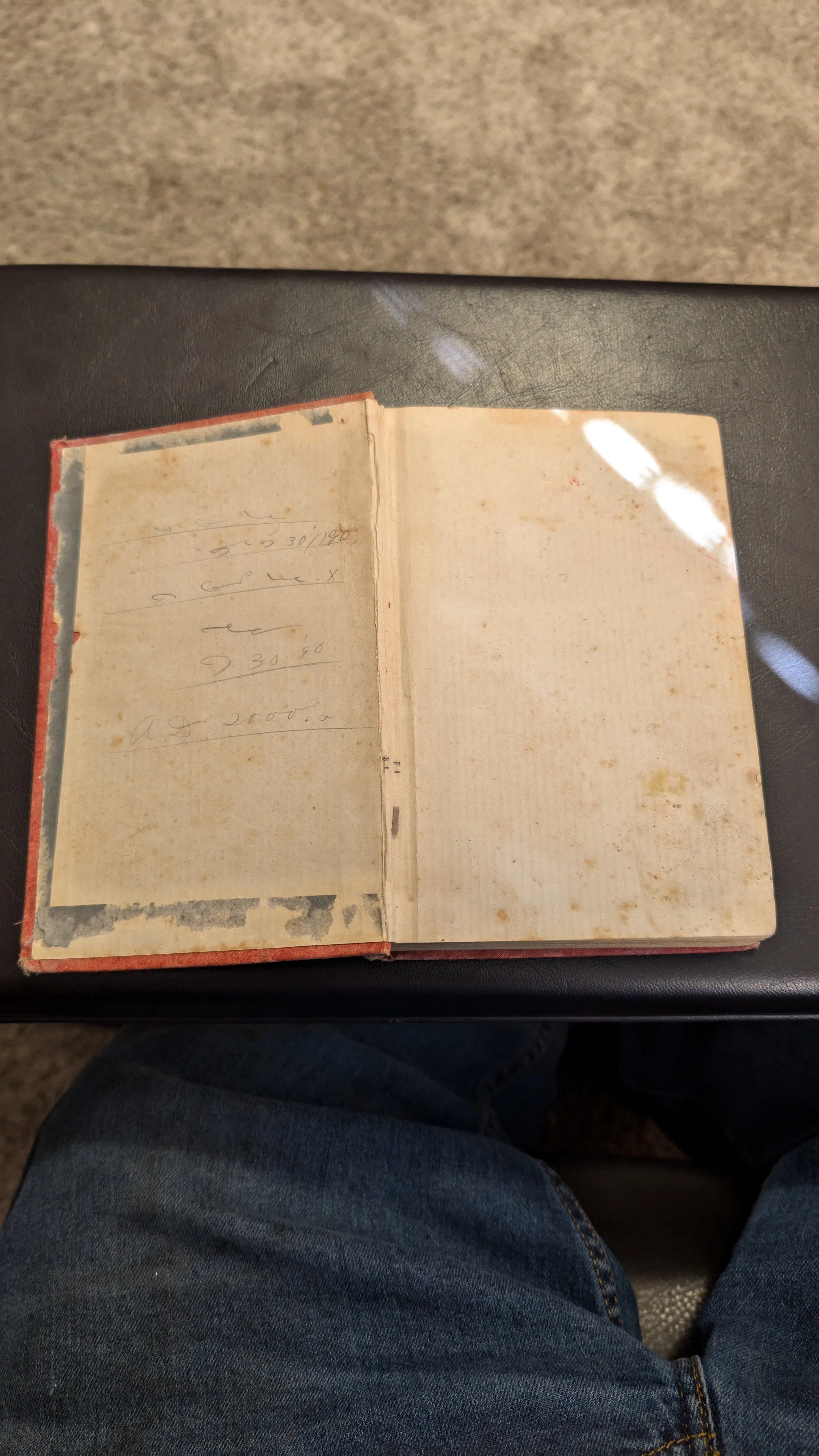
  • Provenance: Includes faint contemporary writing on the front free endpaper. Internally, the text is clean and well-preserved.

Collector’s Note

Henry Altemus Company was famous for making Victorian classics accessible through their aesthetically distinct "Young People's Library." While many Altemus volumes suffer from severe structural failure due to heavy use by children, this specimen is a notable survivor with its pages still firmly attached. This makes it a premier candidate for a collector who wants an authentic 19th-century Carroll printing that can still be handled and read safely. Its presence in the "Curious Copies" section reflects its honest patina—a book that has been cherished through the decades but remains structurally sound.

The Story & Significance

Published in 1871 as the sequel to Alice’s Adventures in Wonderland, Lewis Carroll’s Through the Looking-Glass is a masterwork of literary nonsense and structural ingenuity. While the first book followed the chaotic logic of a deck of cards, this journey is organized as a massive game of chess, with Alice moving from Pawn to Queen across a world that is a reversed reflection of her own. Featuring the legendary poems "Jabberwocky" and "The Walrus and the Carpenter," the novel is as much a philosophical inquiry into language and identity as it is a children's fantasy. This Henry Altemus edition captures the enduring 19th-century popularity of Alice’s adventures, which continue to serve as the benchmark for imaginative storytelling.

Physical Description & Provenance

  • Edition: Henry Altemus Edition (c. Late 1890s).

  • Publisher: Henry Altemus Company, Philadelphia.

  • Binding: Original publisher's cloth featuring decorative Victorian stamping.

  • Condition Points: This copy is in Good condition and is featured in our "Curious Copies" collection. The boards exhibit age-appropriate fading and staining. There is a small tear at the bottom of the spine cloth. Condition Note: Unlike many Altemus copies of this age, all pages remain fully intact and attached to the binding.

  • Provenance: Includes faint contemporary writing on the front free endpaper. Internally, the text is clean and well-preserved.

Collector’s Note

Henry Altemus Company was famous for making Victorian classics accessible through their aesthetically distinct "Young People's Library." While many Altemus volumes suffer from severe structural failure due to heavy use by children, this specimen is a notable survivor with its pages still firmly attached. This makes it a premier candidate for a collector who wants an authentic 19th-century Carroll printing that can still be handled and read safely. Its presence in the "Curious Copies" section reflects its honest patina—a book that has been cherished through the decades but remains structurally sound.