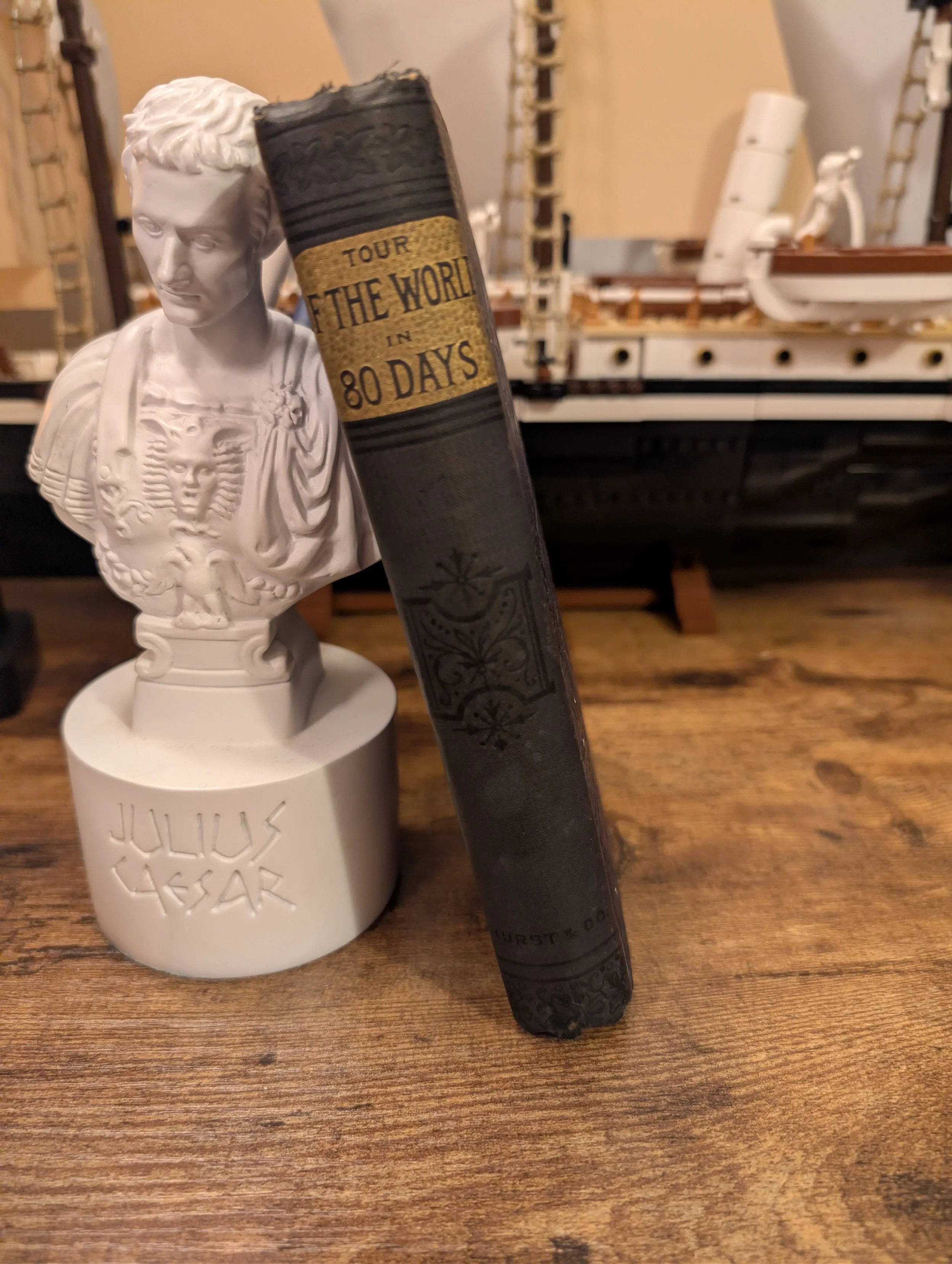
Tour of the World in 80 Days by Jules Verne - 1874 Hurst Edition

$75.00

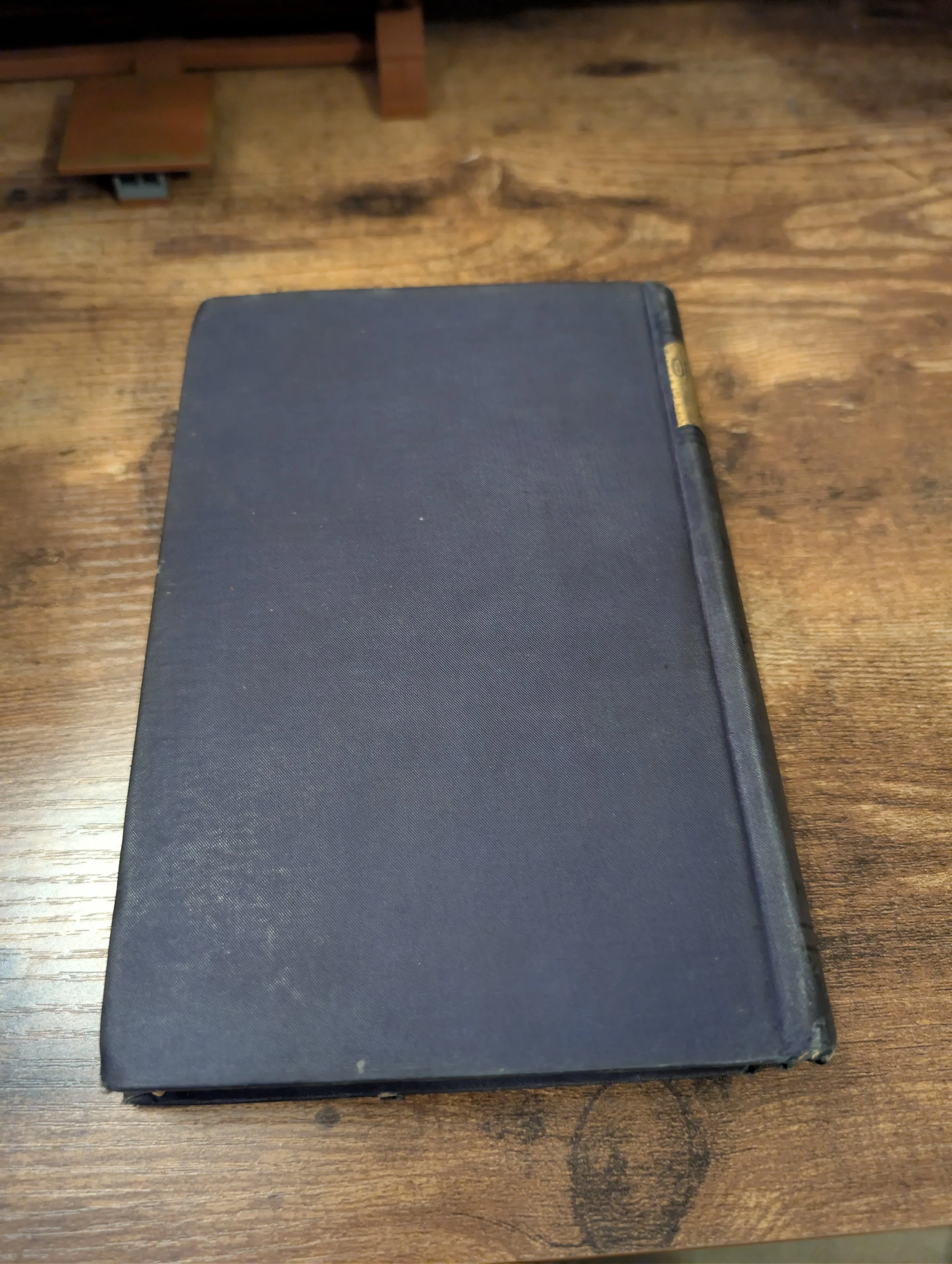
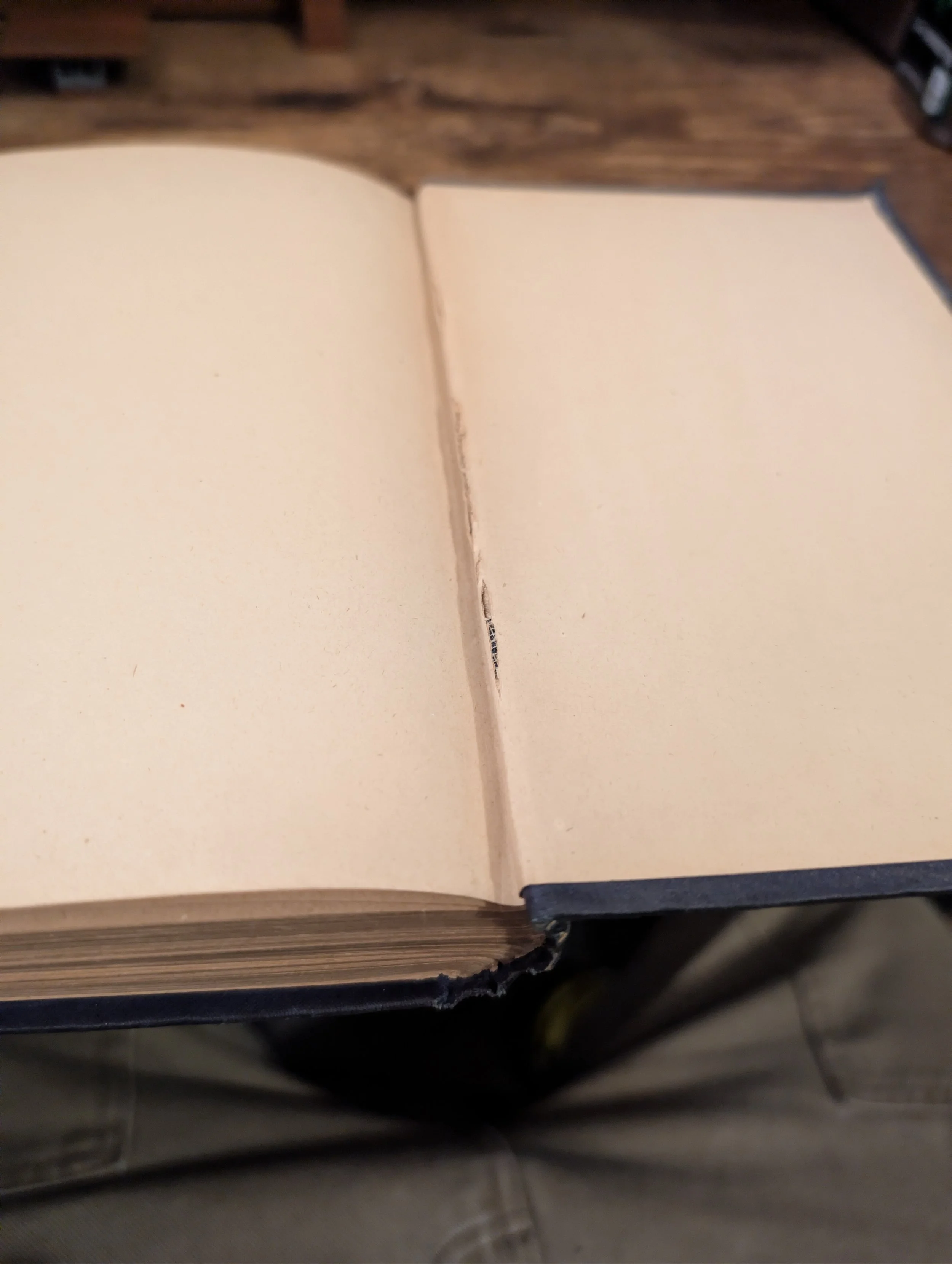
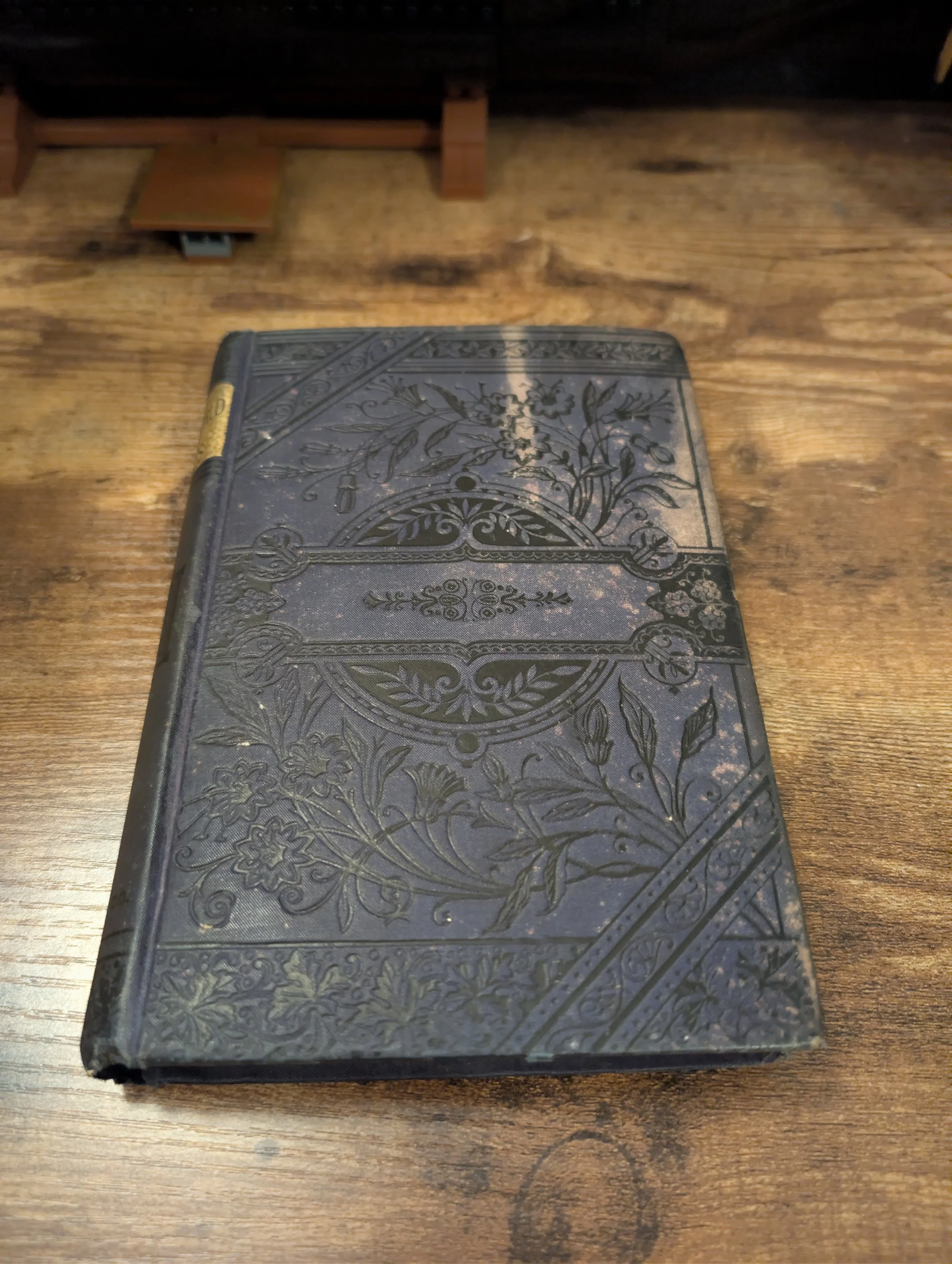
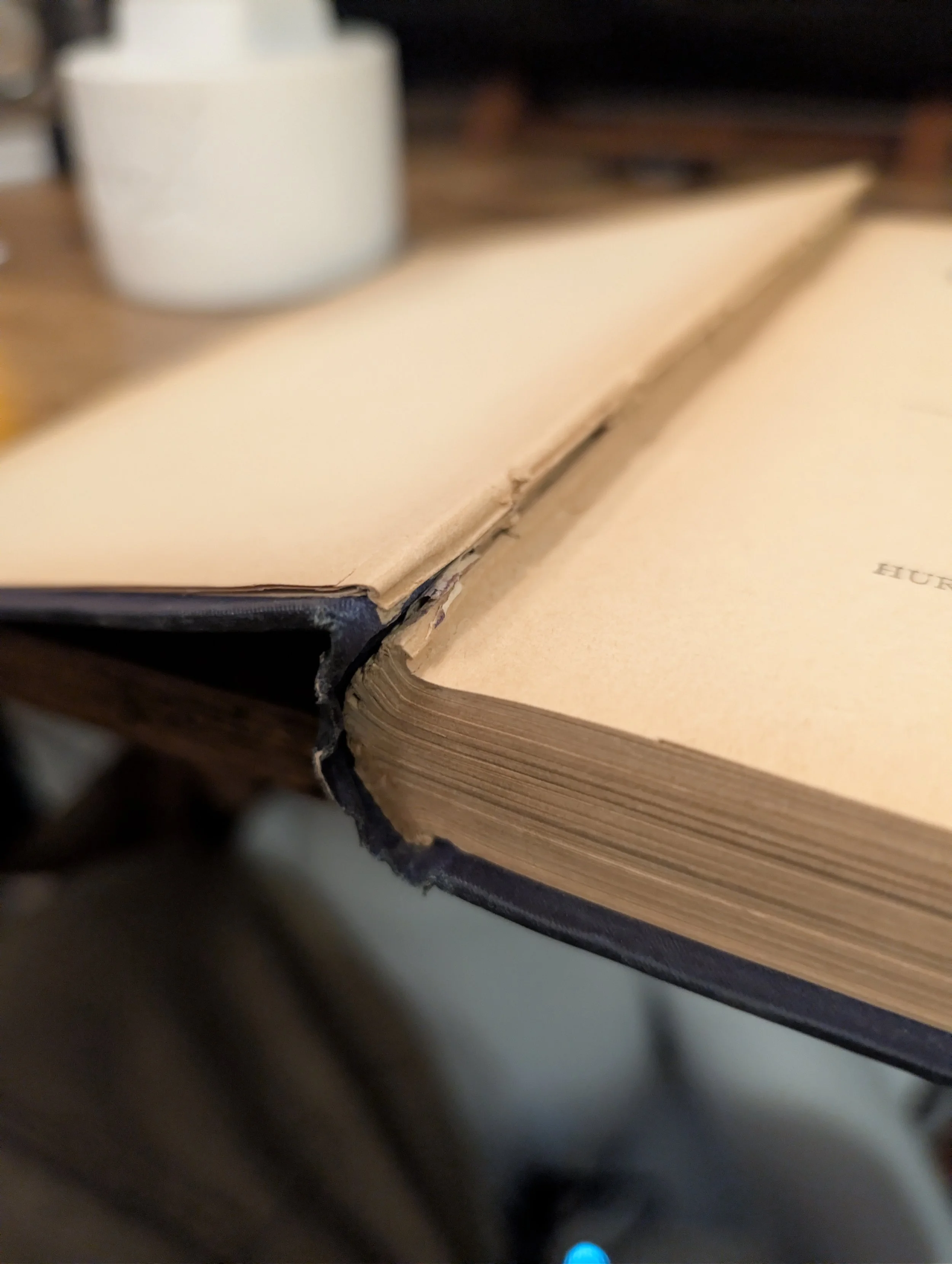
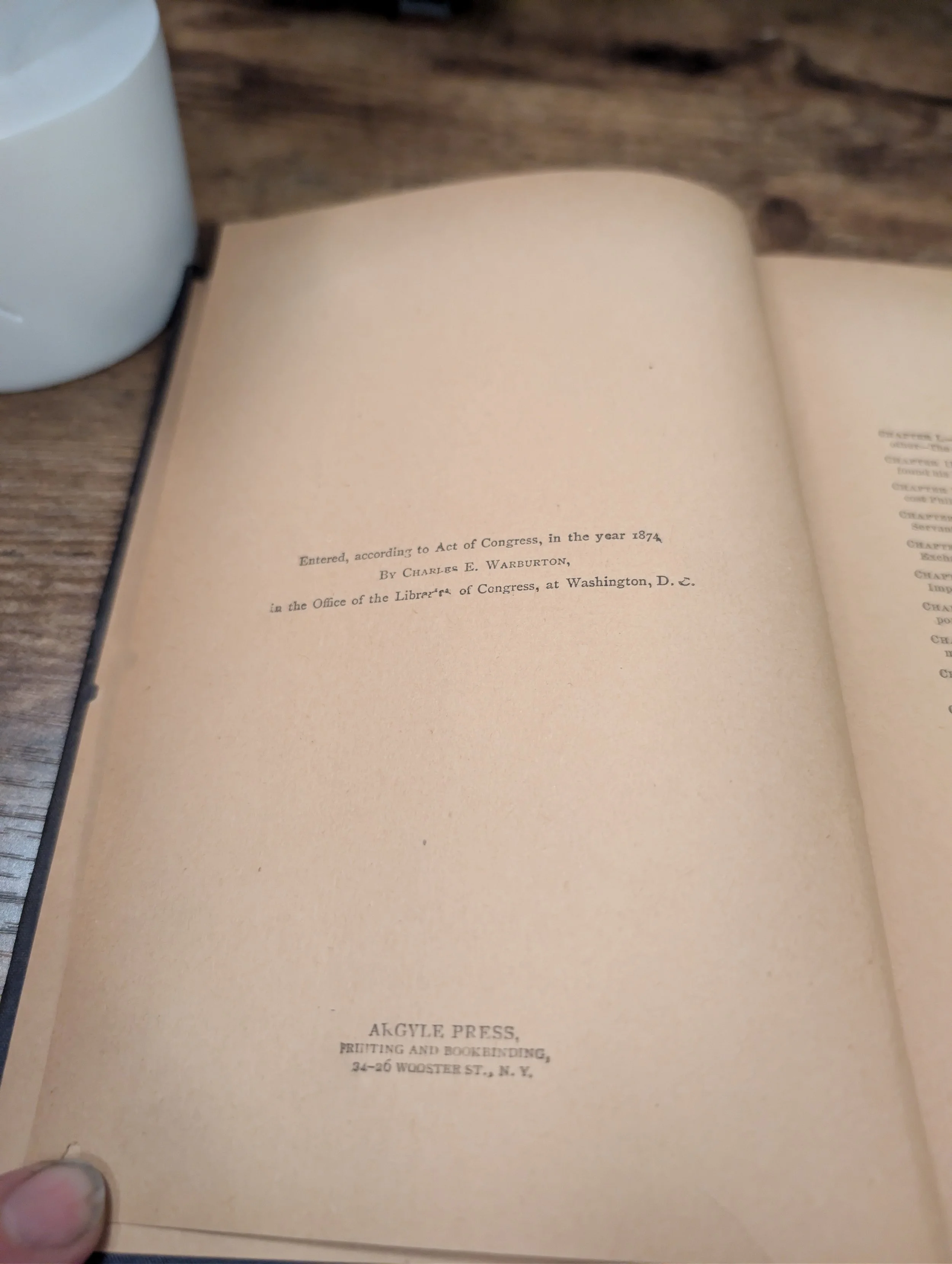
This is an early American edition of “Tour of the World in 80 Days” (also known as “Around the World in 80 Days”) published by Hurst and Company in 1874. This copy has some condition issues, including significant fading and staining to the front board, a very small area of book worm damage to the bottom righthand corners of the front pages, and some pencil markings. There is also damage to the hinges and binding. However, given the book’s age, this damage is unremarkable.

In this classic travel story, Phileas Fogg, a precise and reserved English gentleman and member of London’s Reform Club, wagers half his fortune that he can circumnavigate the globe in 80 days. Accompanied by his newly hired French valet, Passepartout, Fogg embarks on a meticulously timed journey beginning in London in 1872. Their planned itinerary uses steamships, trains, and other contemporary transport, and Fogg’s calm, methodical demeanor keeps them largely on schedule—until a series of unexpected obstacles arises.

The travelers face storms at sea, missed connections, attacks by bandits, and local bureaucratic hurdles. Despite these setbacks, Fogg’s unflappable resolve, Passepartout’s resourcefulness, and Aouda’s quiet courage see the group through narrow escapes—from a rescue in the Himalayas to a dramatic river crossing and a detour on a Sioux reservation in the American West.

As the deadline approaches, further mishaps seem to doom the wager: missed trains, an exhausted Passepartout, and Fix’s eventual arrest of Fogg on suspicion of theft in Bombay (later revealed as a misunderstanding). After being detained and losing time, Fogg and his companions press on across the Atlantic and finally reach London. Believing himself late, dejected Fogg returns to his club, only to discover, after consulting the club’s calendar, that he has in fact arrived on time—having gained a day by traveling eastward across time zones and the International Date Line.

The wager won, Fogg faces a final test of character: he must reconcile his solitary, punctual life with the human attachments formed during the journey. He confesses his love to Aouda and marries her. The tale melds adventure, an appreciation of late-19th-century technology and global cultures, and a portrait of personal transformation—showing how an inflexible man becomes more open and humane through daring experiences and companionship.

This is an early American edition of “Tour of the World in 80 Days” (also known as “Around the World in 80 Days”) published by Hurst and Company in 1874. This copy has some condition issues, including significant fading and staining to the front board, a very small area of book worm damage to the bottom righthand corners of the front pages, and some pencil markings. There is also damage to the hinges and binding. However, given the book’s age, this damage is unremarkable.

In this classic travel story, Phileas Fogg, a precise and reserved English gentleman and member of London’s Reform Club, wagers half his fortune that he can circumnavigate the globe in 80 days. Accompanied by his newly hired French valet, Passepartout, Fogg embarks on a meticulously timed journey beginning in London in 1872. Their planned itinerary uses steamships, trains, and other contemporary transport, and Fogg’s calm, methodical demeanor keeps them largely on schedule—until a series of unexpected obstacles arises.

The travelers face storms at sea, missed connections, attacks by bandits, and local bureaucratic hurdles. Despite these setbacks, Fogg’s unflappable resolve, Passepartout’s resourcefulness, and Aouda’s quiet courage see the group through narrow escapes—from a rescue in the Himalayas to a dramatic river crossing and a detour on a Sioux reservation in the American West.

As the deadline approaches, further mishaps seem to doom the wager: missed trains, an exhausted Passepartout, and Fix’s eventual arrest of Fogg on suspicion of theft in Bombay (later revealed as a misunderstanding). After being detained and losing time, Fogg and his companions press on across the Atlantic and finally reach London. Believing himself late, dejected Fogg returns to his club, only to discover, after consulting the club’s calendar, that he has in fact arrived on time—having gained a day by traveling eastward across time zones and the International Date Line.

The wager won, Fogg faces a final test of character: he must reconcile his solitary, punctual life with the human attachments formed during the journey. He confesses his love to Aouda and marries her. The tale melds adventure, an appreciation of late-19th-century technology and global cultures, and a portrait of personal transformation—showing how an inflexible man becomes more open and humane through daring experiences and companionship.